
Last updated November 23, 2026
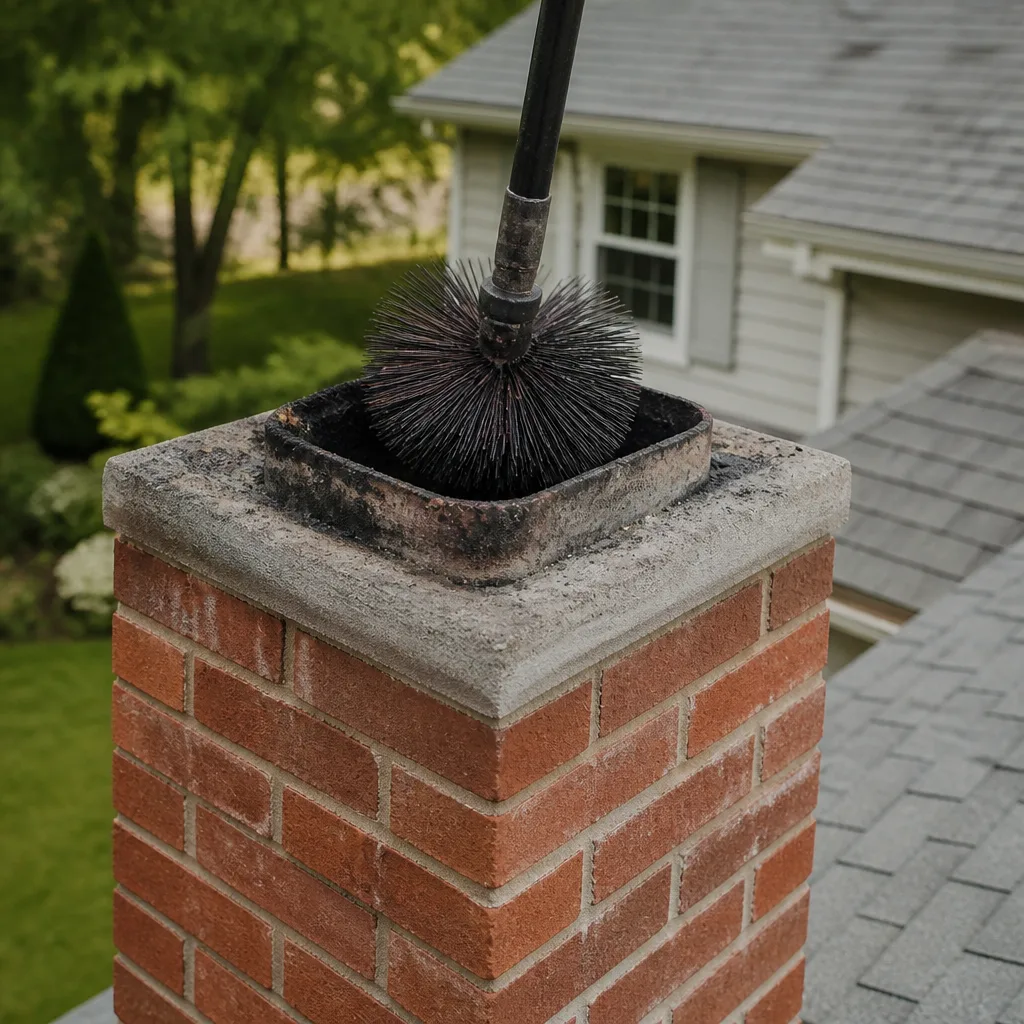 Sweep & inspection
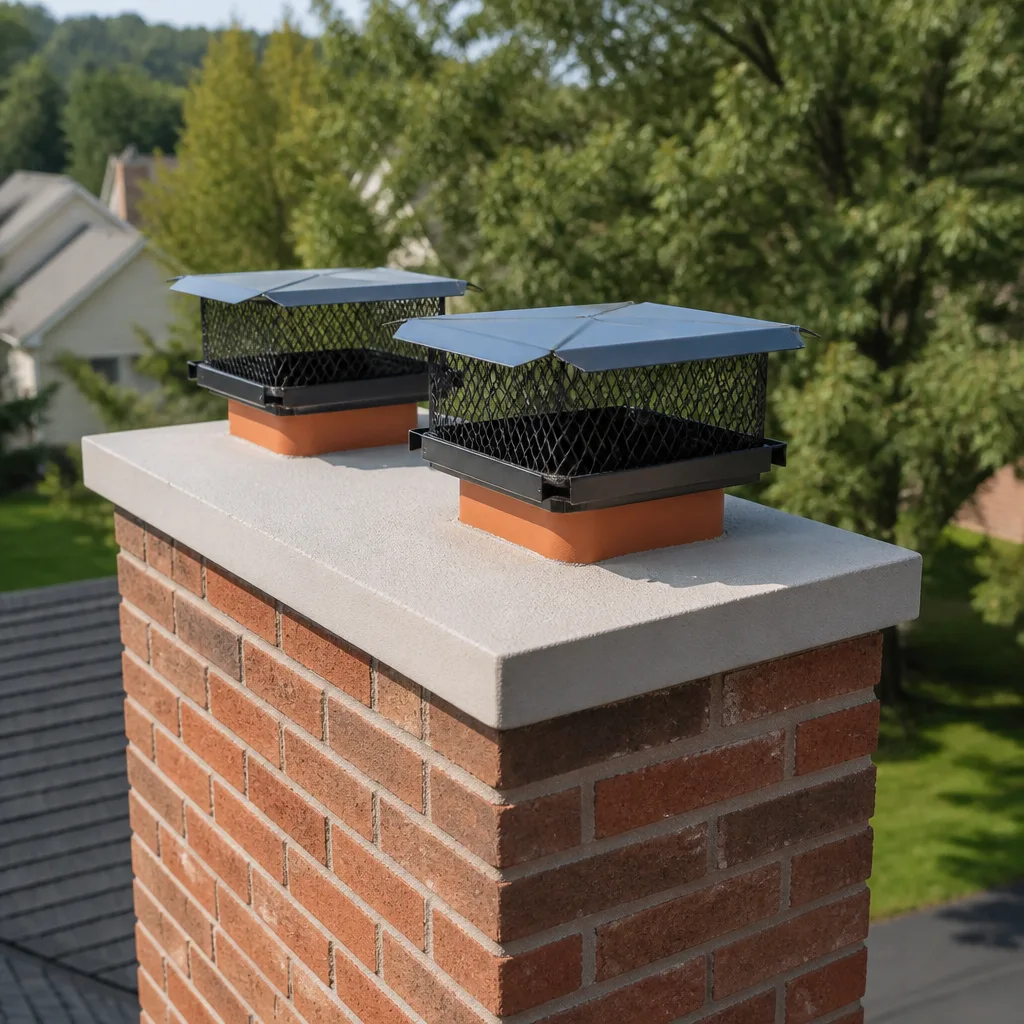 Caps & crowns
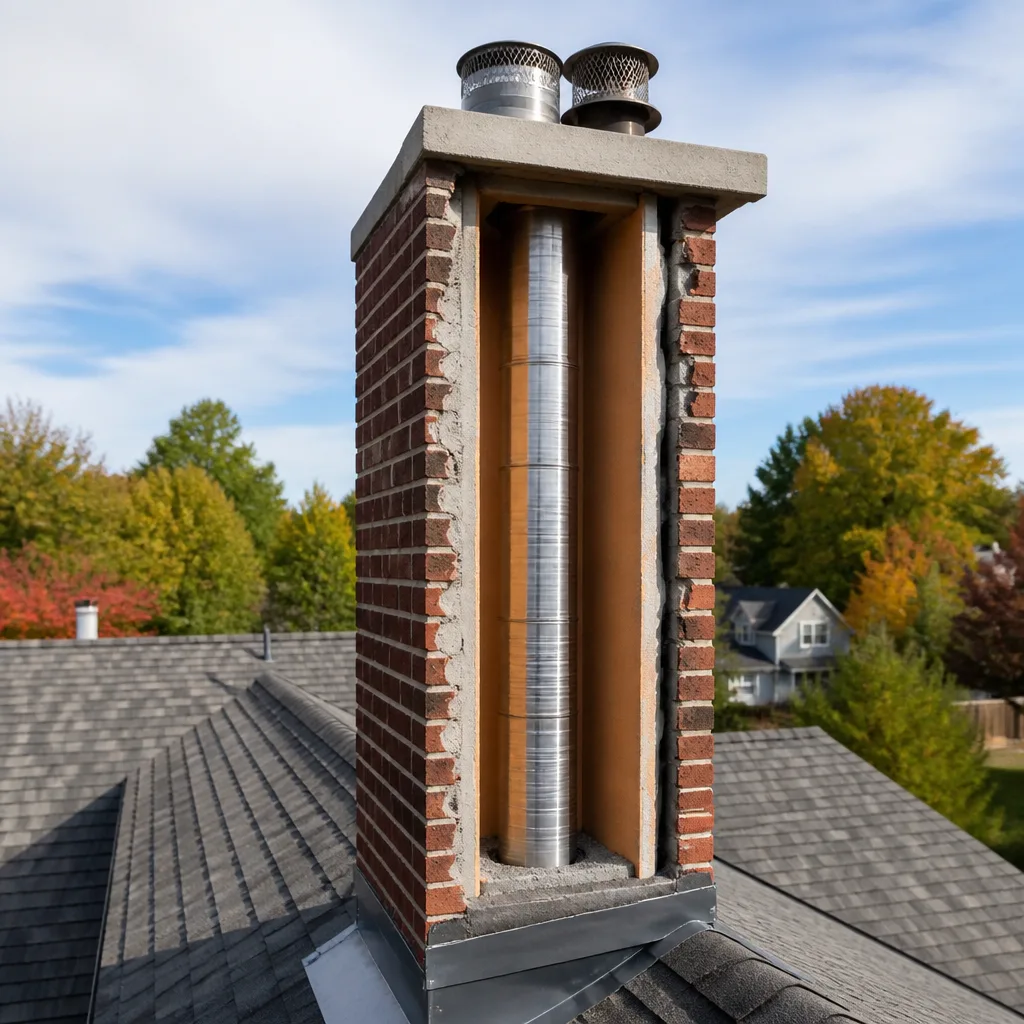 Flue relining
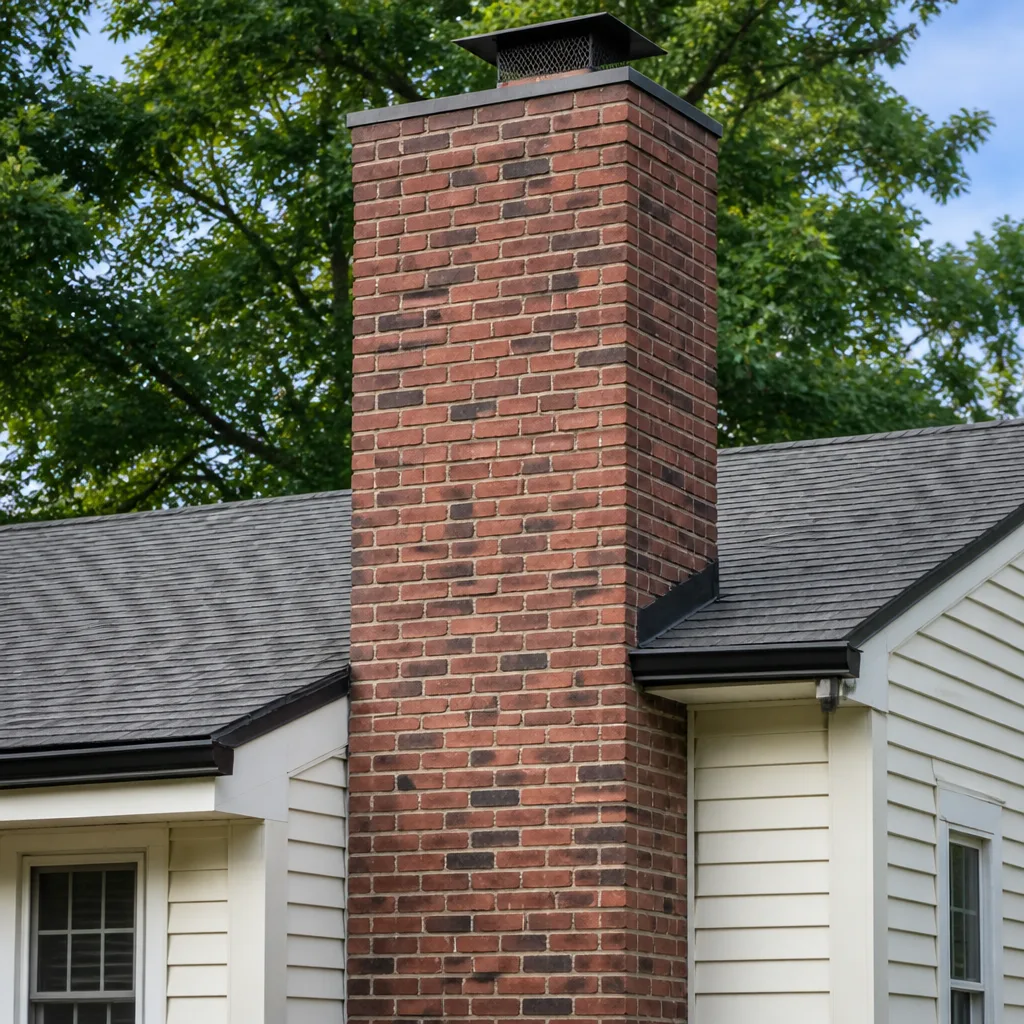 Masonry repair
 Gas fireplace service
Level 1 sweep and inspection to the NFPA 211 annual standard - flue, crown, cap, and flashing checked and photographed
Chimney sweep logs do not sweep chimneys. They loosen some creosote - which then falls where a brush and vacuum still have to collect it.
Chimney Sweep Troubleshooting in Meadow Hills: Common Problems and How to Fix Them
Most homeowners diagnose chimney problems from the wrong end of the house. A smoky fireplace gets blamed on a dirty flue, a stained firebox gets blamed on a leak, a weak draft gets blamed on a blockage, and by the time anyone climbs onto the roof the actual cause is somewhere else in the system entirely. Chimneys don’t fail in a straight line. They fail in a chain, and the symptom you notice in the living room is usually the last link. This guide is built to change that order. We’ll walk through how to read the symptom chain in a Meadow Hills home, what your elevation and cold-season air pressure do to draft, and which problems you can safely check yourself before picking up the phone.
Quick Answer
To troubleshoot a chimney in Meadow Hills, match the symptom to its source before calling: smoke rollout points to a draft or pressure problem (often damper or cap related, not a dirty flue), a sulfur or campfire odor points to creosote buildup or negative pressure, and staining color tells you whether moisture or combustion byproducts are the culprit. Anything involving a cracked flue tile, liner damage, or a suspected blockage needs a Level 2 inspection before anyone sweeps or repairs, because the wrong first move can make the problem worse.
Styles & brands we work with
- Sweep & inspection
- Caps & crowns
- Flue relining
- Masonry repair
- Gas fireplace service
Table of Contents
- The Symptom Chain: How to Read What Your Chimney Is Telling You
- Why Meadow Hills Elevation and Cold Air Mimic a Blocked Chimney
- Creosote Restriction vs. Physical Blockage: Two Very Different Problems
- What You Can Safely Check Yourself (and What Needs a Level 2 Inspection)
- Why the Same Symptom Has Three Different Causes Depending on Your Liner
- Cap, Crown, and Water Problems: Reading Stains Correctly
- Draft Problems: Steps to Take Before You Call
- Sweeping, Resurfacing, and Relining: Three Tiers of Fix
The Symptom Chain: How to Read What Your Chimney Is Telling You
A chimney is a system, not a hole in the wall. It has a firebox, a damper, a smoke chamber, a flue, a crown, and a cap, and each of those parts produces a distinct symptom pattern when it starts to fail. Most troubleshooting goes wrong because homeowners stop at the first plausible explanation. Reading the symptom chain means tracing each sign back through the system until you find the part that actually matches.
Here’s how the common symptoms map to their real source point. Use this as your first-pass diagnosis before you call anyone:
- Smoke rolling into the room when you light a fire: damper not fully open, a cold flue that hasn’t established upward flow, or negative pressure from another exhaust appliance running in the house. Rarely a blockage.
- Smoke coming back continuously during a fire: flue obstruction, a damaged or missing cap screen, or a flue that’s undersized for the firebox opening.
- Slow, lazy draft: flue colder than the outside air, a partially closed damper, or a flue that’s short for the home’s pitch. Blockage is the least likely of the three.
- Sharp, acrid smell even when no fire is burning: creosote or soot coating the flue, often worsened on warm days when the flue warms up from outside and reverses flow.
- Campfire or smoky smell that returns each fall: negative pressure in the home pulling air down the flue, combined with a small amount of old residue in the smoke chamber.
- Rust or dark brown stains on the firebox walls or ceiling: water intrusion through the crown or cap, not combustion deposits.
- White chalky staining on exterior brick: water moving through the masonry and drying out on the surface, usually because the crown is cracked or the cap is missing.
In Meadow Hills, we see more “mystery” draft complaints than actual blockages. The symptoms cluster around the damper, the cap, and pressure balance in the home, which means the fix is often structural enough to need a proper inspection but affordable enough that it isn’t a full reline. Matching the symptom first is what keeps a diagnostic visit short and honest. If you’re not sure where to start, our Chimney Sweep Meadow Hills team can walk through what you’re seeing over the phone before we ever schedule a visit.
One more thing worth understanding: symptoms in the same home can shift season to season. A fireplace that drafts fine in early fall can turn smoky by January, not because anything got worse in the flue, but because the pressure balance in the house changed. That shift is the topic of the next section.
Why Meadow Hills Elevation and Cold Air Mimic a Blocked Chimney
Meadow Hills sits at elevation, and every flue on this side of the front range behaves differently because of it. At higher altitude, the air is thinner, and a chimney needs a longer run or a larger flue area to draw the same volume of smoke as a chimney at sea level. Combined with our cold winters, that thinner air widens the gap between the flue temperature and the outdoor temperature, which is exactly what drives draft. But it also produces a specific failure pattern homeowners mistake for a blockage.
Here’s the dynamic in plain terms. A chimney drafts because warm air inside the flue is lighter than cold air outside. When the outdoor temperature drops fast in Meadow Hills during the evening, the flue cools quickly and reaches a state called cold-flue reversal. Air stops moving up and starts moving down. From inside the house, the symptom looks exactly like a blockage: the fire smokes, the smell comes back, and the draft dies. But the flue is wide open. Nothing is blocking it.
Two clues separate a cold-flue reversal from a real blockage:
- Timing. If the problem clears on its own after ten or fifteen minutes of burning, or improves when you prime the flue with a rolled newspaper torch, it’s a temperature problem, not an obstruction.
- Weather correlation. If the smoking is worse on cold evenings and better on milder days, that’s an altitude and pressure signal. A blockage would misbehave consistently.
There’s a second Meadow Hills pressure factor worth knowing. Modern homes here are built tighter than they were forty years ago, and a tight home with a kitchen exhaust fan, a clothes dryer, and a bath fan all running pulls air supply from wherever it can find it. If the chimney is the easiest path, the smoke chamber becomes an intake duct and the fireplace backdrafts. That’s not a chimney problem in the traditional sense. It’s a building pressure problem with a chimney symptom. If you suspect this pattern in your home, the fastest way to test it is to crack a window near the fireplace and see whether the draft improves. If it does, you’ve identified the source.
Our technicians have up to 10 years of experience across front-range homes, and the elevation-induced draft complaints we hear about in Meadow Hills look different from the ones we hear about at lower elevations. A flue that would draw comfortably at 5,000 feet can struggle at 7,000. Understanding that is the difference between properly diagnosing a chimney and selling a homeowner something they don’t need.
Creosote Restriction vs. Physical Blockage: Two Very Different Problems
A chimney that won’t draft has one of two problems: something is growing inside it, or something is sitting inside it. Those sound similar. They’re not. A creosote restriction is a slow accumulation of combustion byproducts that narrows the flue over months or years. A physical blockage is a discrete object or animal preventing flow entirely. The first needs sweeping and potentially resurfacing. The second needs removal, and it needs it before anything else happens.
Creosote restriction
Creosote builds up in three forms, and they escalate with each stage. First-stage creosote is sooty, flaky, and brushes out easily. Second-stage creosote is a thicker crust that needs a rotary brush to remove. Third-stage creosote is a hardened, glazed coating that bonds to the flue wall and requires specialized chemical treatment or, in severe cases, relining. A severe creosote restriction in Meadow Hills is worth acting on quickly because a restricted flue runs hotter, and hotter flue temperatures near a heavy creosote load are exactly the conditions that make chimney fires more likely.
Physical blockage
Birds, squirrels, raccoons, and chimney swifts all build nests in open flues. Leaves and debris build up at the smoke shelf. A missing or damaged cap is almost always the underlying cause, and in Meadow Hills it’s one of the most common reasons a fireplace suddenly stops working between one fall and the next. A physical blockage can also happen fast, which is why a draft complaint that used to be intermittent and has become constant often points to blockage rather than creosote.
How to tell them apart
- Speed of onset. Creosote builds over seasons. Blockage can appear overnight.
- Odor character. Creosote smells acrid and persistent. A nest blockage often brings a musty, dusty, or animal odor into the room.
- Visible evidence. A camera inspection tells the story. Without one, both problems look identical from inside the living room, which is the reason we don’t recommend guessing.
Whichever one you have, the response from there is different. A routine chimney sweep handles creosote up through second-stage. A physical blockage needs the obstruction removed, the flue inspected for damage the animal or debris may have caused, and the cap repaired or replaced, which is our chimney cap & crown scope. Sweeping a chimney with a hidden nest in it moves the obstruction around without removing it, which is why the correct order is always inspect first, then decide.
What You Can Safely Check Yourself (and What Needs a Level 2 Inspection)
Some chimney troubleshooting is safe to do from the living room floor. Some of it isn’t. The line between them is roughly this: anything you can see without climbing, opening panels, or reaching into the flue is fair game, and anything that requires a ladder or a camera belongs to a trained professional. Treat this section as the map of that line.
Safe to check yourself
- Open the damper and verify it opens fully. A damper that sticks halfway is one of the most common causes of a “smoky fireplace” call, and it’s a simple fix once identified.
- Check that the firebox is clear and the grate is positioned correctly.
- Look at the exterior of the chimney from the ground for a missing cap, a visible crack in the crown, or leaning masonry.
- Verify no other exhaust appliance (kitchen fan, bath fan, dryer) is running while you test the draft.
- Note the odor and when it appears (only on warm days, only when it’s cold out, only after rain).
Needs a professional
- Anything that requires getting on the roof. Fall risk on a Meadow Hills roofline, especially in cold weather, is not worth trading for a visual check.
- Anything involving the flue interior beyond what you can see with a flashlight at the damper.
- Any suspicion of a cracked flue tile, a damaged liner, or a warped damper frame.
- Any smell of gas, or any sign of water inside the flue.
A Level 2 inspection is the standard for these cases. It uses a camera to see the full length of the flue, the smoke chamber, and the crown, and it produces the footage you can look at yourself. That’s the level of evidence we work from before recommending any repair. The same camera inspection and photo report comes with the estimate, so you see exactly what we see before anything gets approved. If a chimney can safely wait a season, we say so, and the footage shows you why.
Why the Same Symptom Has Three Different Causes Depending on Your Liner
Here’s something that surprises homeowners: two houses can have the exact same symptom, and the correct fix can be entirely different because of what the flue is lined with. Liner material changes how a chimney fails, and it changes the response. Anyone diagnosing your chimney without knowing your liner type is guessing.
Clay tile liner
Clay tile is the most common liner in older Meadow Hills homes. It’s durable but brittle. A clay tile liner fails by cracking, spalling, or separating at the joints. When it fails, the symptom is often a slow draft combined with staining on the exterior masonry, because combustion gases escape through the cracks into the surrounding masonry and then out through the brick. A smoky fireplace on a clay tile-lined chimney often points to a crack rather than a blockage.
Cast-in-place or resurfaced liner
A chimney that has been resurfaced with a HeatShield-type product has a smooth, continuous interior with no joints to fail. Its failure modes are different: the coating can degrade from prolonged moisture exposure, or the original substrate under it can shift. A draft complaint in a resurfaced flue is more likely to point to the cap, the crown, or the smoke shelf than to the liner itself. Understanding what’s underneath the coating matters, which is why HeatShield-equipped repair starts with a camera inspection, not a resurfacing quote.
Stainless flexible liner
A DuraFlex or comparable flexible stainless liner is the most common solution for a chimney that has already failed a clay liner. Its failure mode is not cracking but separation at the appliance connection, or corrosion from burning fuels the liner wasn’t rated for. When a home with a stainless liner complains of smoke rollout, the answer is usually at the firebox connection, not in the flue.
The practical takeaway: before anyone recommends a fix, ask what your liner is. If the answer isn’t clear, a camera inspection is the next step. We work with professional-grade materials from DuraFlex, HeatShield, and Olympia Chimney precisely because the diagnosis and the repair need to match, and commodity materials make that harder.
Cap, Crown, and Water Problems: Reading Stains Correctly
Water is the quiet cause of most chimney damage, and it has a specific set of symptoms that homeowners routinely misread as creosote or smoke damage. The good news is that stain color and location tell you exactly which part of the chimney is leaking, if you know how to read them.
Here’s the mapping. Rust-brown stains on the firebox ceiling almost always come from a leaking crown or a missing cap. White, chalky efflorescence on exterior brick means water is being drawn through the masonry and drying out at the surface. Dark streaks running down the exterior from the crown line indicate a cracked crown directing water into the flue. Interior water stains around the damper frame mean the cap screen or cap plate is missing or damaged. In each case, the creosote reading is usually a red herring, and a sweep without a crown or cap repair won’t fix it.
The fix tiers look like this:
- Missing or damaged cap: replace the cap or cap assembly. This is the smallest and cheapest repair, and it prevents the most damage.
- Cracked crown: the crown is the concrete or mortar cap at the top of the chimney that sheds water. A hairline crack gets sealed. A wide crack or a crown that’s broken away from the flue gets rebuilt. A damaged crown without a repair lets water in for years, which is why a crown fix also protects the liner.
- Failed flashing where the chimney meets the roof: flashing repair stops most of the water intrusion that shows up on interior ceilings.
If the staining has been there for more than one heating season, the water has had time to reach the flue. That’s the point where a camera inspection is worth doing, because water damage to a clay tile liner is a repair that gets more expensive the longer it sits. Our team handles cap and crown work as one of the five service categories we cover, so the same specialist who diagnoses a crown crack is the one who repairs it, and no handoff is needed mid-project.
Draft Problems: Steps to Take Before You Call
Draft problems are the most fixable category on this list, and the steps below resolve more than half of the “smoky fireplace” complaints we hear about in Meadow Hills before anyone has to schedule a visit. Work through them in order. If none of them helps, the chimney itself needs a camera inspection.
- Fully open the damper. Verify the handle moves all the way. A damper that’s sticking is easy to overlook.
- Prime the flue. Hold a rolled newspaper torch near the open damper for thirty seconds before lighting the fire. If the flue reverses within thirty seconds, you’ve ruled out a blockage and identified a cold-flue problem.
- Turn off competing exhaust. Shut off the kitchen fan, the bath fans, and the dryer for ten minutes and test the draft again. If the draft returns, the issue is building pressure, not the flue.
- Crack a window near the fireplace. If the draft improves, your home is tight enough to need outside air for the fire. That’s a known pressure issue and fixable.
- Check the flue temperature. A cold chimney doesn’t draft. If the problem only shows up on the first fire of the evening, or on the first fire of the season, it’s temperature, not obstruction.
- Look up. From the ground outside, check the cap is on and intact. A missing cap screen changes draft and lets debris in.
If you’ve worked through all six and the fireplace still smokes during a normal burn, that’s your signal to stop troubleshooting and schedule a Level 2 inspection. The point of the list isn’t to avoid calling. It’s to make sure your call identifies the right problem, so the visit is diagnostic rather than exploratory. Any fix that touches the firebox itself is fireplace repair, and it should come after the flue has been evaluated, not before.
Sweeping, Resurfacing, and Relining: Three Tiers of Fix
Once the diagnosis is clear, chimney repair sorts into three tiers, and knowing which tier your problem sits in helps you understand why one estimate is different from another. The tiers aren’t interchangeable. A tier-one fix won’t resolve a tier-three problem, and a tier-three recommendation without camera evidence is worth pushing back on.
Tier one: sweeping and clearing
Routine sweeping removes soot and creosote through second-stage buildup. It’s the right response to a restricted flue with intact walls, and it’s the right response to a light blockage once obstructions are cleared. This is the tier that most annual maintenance falls into, and for a wood-burning chimney in Meadow Hills, the standard is annual. Homes that burn frequently, or that burn unseasoned wood, may need it more often. Our chimney sweep service covers this tier along with a camera check, so any developing problem gets caught while it’s still a tier-one fix.
Tier two: resurfacing
Resurfacing restores a damaged liner interior without a full reline. It’s used when the flue walls are sound but the clay has cracked or the surface has spalled, and it’s the HeatShield end of our toolkit. Tier two is what separates a company that only cleans from one that repairs, and it’s often the difference between a chimney that can keep operating safely and one that needs a reline. A camera inspection comes first, always, because resurfacing requires an intact substrate to work.
Tier three: relining
Full relining replaces the interior flue, and it’s the response to a failed clay liner with cracks that open into the masonry, to third-stage glazed creosote that resurfacing won’t hold, or to a flue that’s undersized for the appliance. A DuraFlex flexible liner is the standard here, and it’s a repair worth having done properly, because the liner is the part that keeps combustion gases going up and not into the walls of your home. Full relining is also the tier where the evidence matters most. We don’t recommend a reline without showing you the camera footage first. If the liner is intact and the flue just needs a sweep, that’s the recommendation, and we’ll tell you so.
The value of having all three tiers under one company is continuity. The same specialist who sweeps the flue is the one who spots the crack in the crown, and the repair gets scheduled without a handoff. Our chimney cap & crown work sits at the seam between tiers, since a damaged crown is often the underlying cause of the liner damage in the first place.
Common Mistakes to Avoid
- Sweeping a chimney that hasn’t been inspected. If there’s a nest or a cracked tile you haven’t identified, sweeping moves the problem around. Inspect first, then sweep.
- Blaming every smoky fire on a dirty flue. A damper that won’t open, a cold flue, or a tight house with competing exhaust each produce identical symptoms and a very different fix.
- Ignoring a missing cap. A missing cap is the gateway to animal blockages, water intrusion, and debris accumulation. In Meadow Hills, it’s one of the most common causes of a fireplace that worked last year and doesn’t this year.
- Sealing the crown with hardware-store caulk. A crown crack that gets a cosmetic seal fails again the first cold snap. The crown needs proper repair material, not the same tube you’d use on a bathroom joint.
- Assuming a liner recommendation without seeing footage. Any reputable chimney specialist should show you the camera report before recommending a reline or a resurfacing job. If you can’t see it, ask.
- Skipping the annual sweep because the fireplace “seems fine.” Creosote buildup and early liner cracks are invisible from the living room. The annual inspection is what catches them while they’re still affordable.
- Mixing liner brands across a repair. A liner and the cap or crown above it need to work together. Commodity parts don’t always match the tolerances of a professional-grade liner, which is why we stick to the brands we know: DuraFlex, HeatShield, Gelco, Olympia Chimney, Famco, and Copperfield.
See the difference
 Before
 After
 Before
 After
 Before
 After
When to Call a Professional
Call a professional when the symptom doesn’t match any of the safe checks in this guide, when you’ve worked through the draft steps and the fireplace still smokes during a normal burn, when you see rust, white staining, or water inside the flue, or when you suspect a cracked liner. Call before the first cold snap if you haven’t had the chimney swept since last season. Call any time you smell gas or suspect carbon monoxide, and treat that as immediate. A trained professional has the camera equipment, the ladder safety, and the diagnostic experience to find the source without guesswork, and any structural repair should wait for that diagnosis.
Chimney Sweep Meadow Hills offers free estimates in Meadow Hills. Call (855) 658-4120. We answer 24/7. Fast dispatch from 7am to 7pm, Sunday through Friday. When you call, tell us what you’re seeing and when it appears, and we’ll tell you what kind of visit makes sense.
Frequently Asked Questions
A standard chimney sweep in Meadow Hills typically falls within a modest range depending on flue access, creosote level, and whether a camera inspection is included. The written estimate sets the final price, and we don’t recommend anything without camera evidence you can look at yourself. Call (855) 658-4120 for an exact quote. Estimates are free.
Only if the camera shows cracks that open into the surrounding masonry, spalling clay, or glazed third-stage creosote that won’t hold a resurfacing. An intact liner with a creosote restriction doesn’t need a reline, it needs a sweep. We show the footage before recommending any liner work, and if the chimney can safely wait a season, we say so.
Once a year for a wood-burning chimney in active use, and once a year for a gas appliance as well, since a gas flue still needs inspection even though it produces less soot. Homes that burn frequently or burn unseasoned wood may need it more often. Call (855) 658-4120 to schedule a sweep and camera check before the heating season starts.
Creosote accumulates and narrows the flue, which raises flue temperatures and increases fire risk, and small liner cracks go unrepaired long enough to need a full reline instead of a resurfacing. A blocked flue also raises carbon monoxide risk in a gas appliance. None of that happens on a schedule you can see from the living room, which is why the annual inspection is the safeguard. Call (855) 658-4120 to get on the calendar.
That pattern points to a cold-flue reversal rather than a blockage. At Meadow Hills elevation, thinner air and fast evening temperature drops cool the flue faster, which reverses the draft until the flue warms up. Priming the flue with a rolled newspaper torch usually fixes it. If it smoke steadily rather than only on the first fire, that’s a different problem and worth an inspection.
You can check the damper operation, look at the exterior from the ground, and test whether other exhaust fans are causing pressure problems. Anything that requires the roof or the flue interior doesn’t belong in a homeowner’s checklist. A Level 2 camera inspection is the safe path, and it produces the footage you can review.
The Bottom Line
Chimney troubleshooting in Meadow Hills almost always starts with matching the symptom to its source, and that means slowing down before assuming a dirty flue. Smoke rollout, odor, staining, and slow draft each point to a specific part of the system, and the same sign can have three different causes depending on your liner material. Check the damper, the cap, and the pressure balance in your home before you assume the worst. When the symptom doesn’t clear through the safe checks, a camera inspection settles it, and it comes with the footage you can review yourself. The same specialist who sweeps the flue is the one who repairs it, so the diagnosis and the fix stay with one team.
Call (855) 658-4120. We answer 24/7. Fast dispatch from 7am to 7pm, Sunday through Friday. Estimates are free, and pricing is set per job by the written estimate.
Written by the team at Chimney Sweep Meadow Hills.