
Last updated November 23, 2026
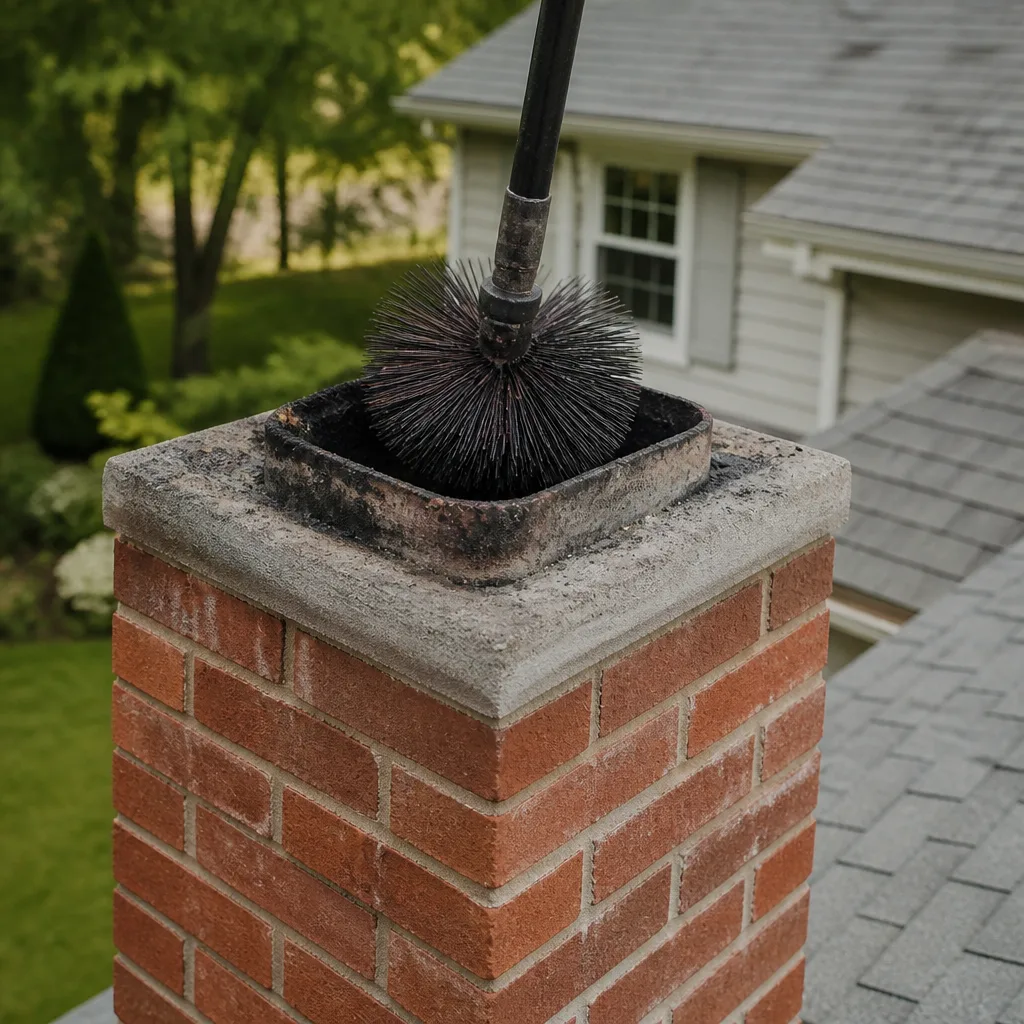 Sweep & inspection
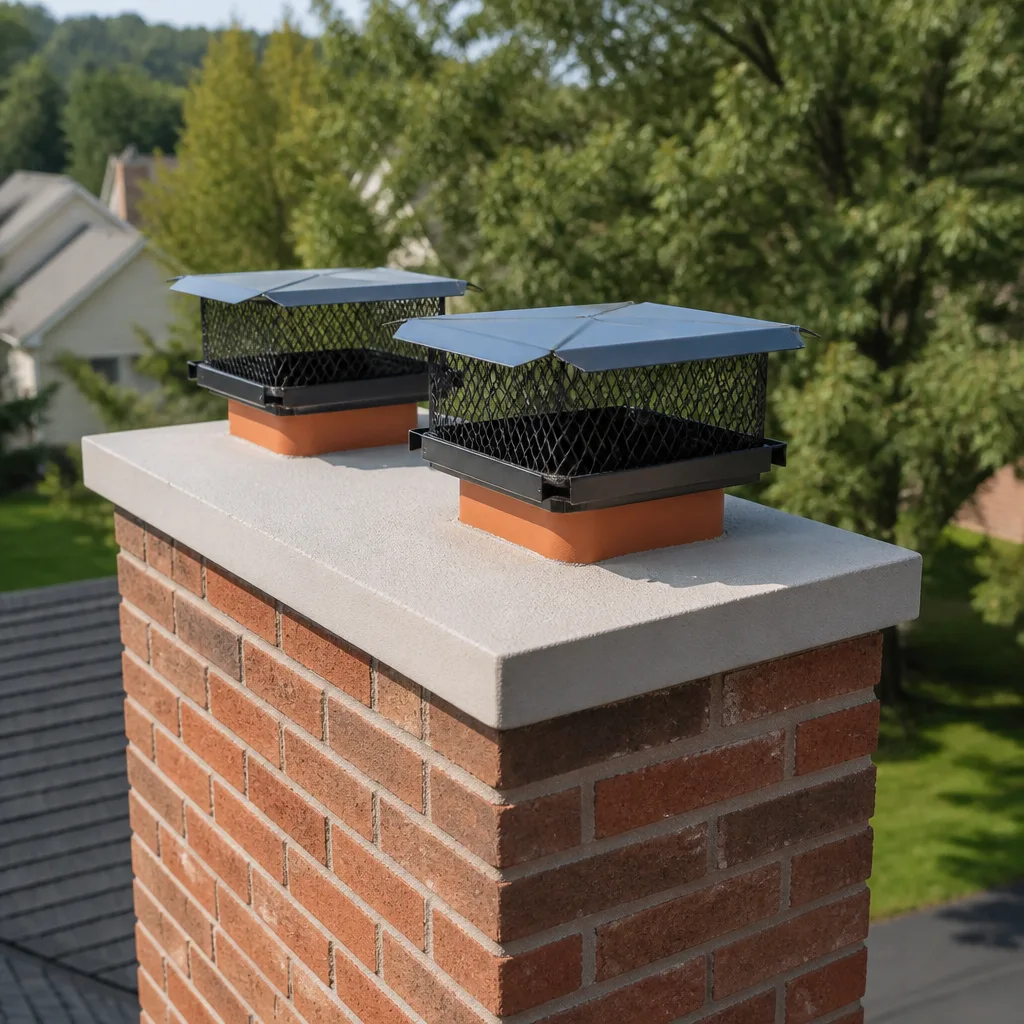 Caps & crowns
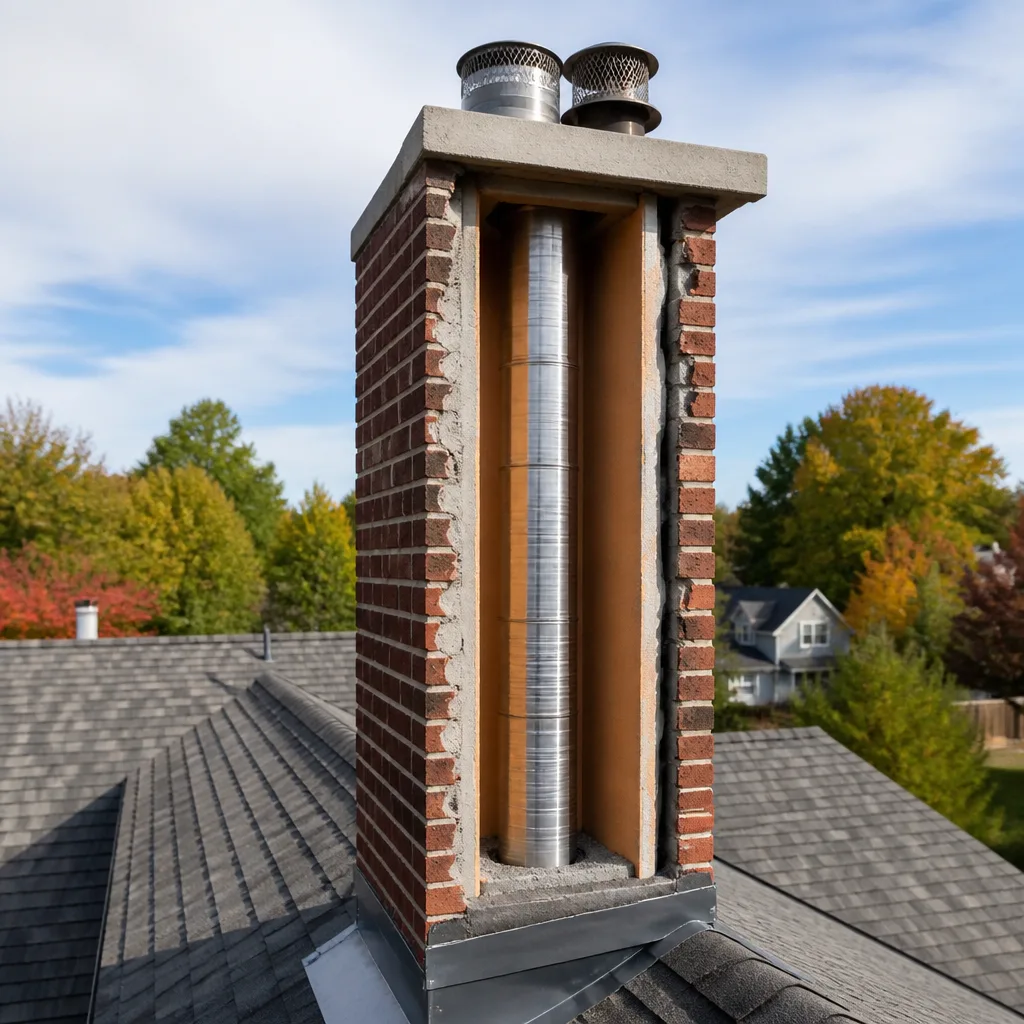 Flue relining
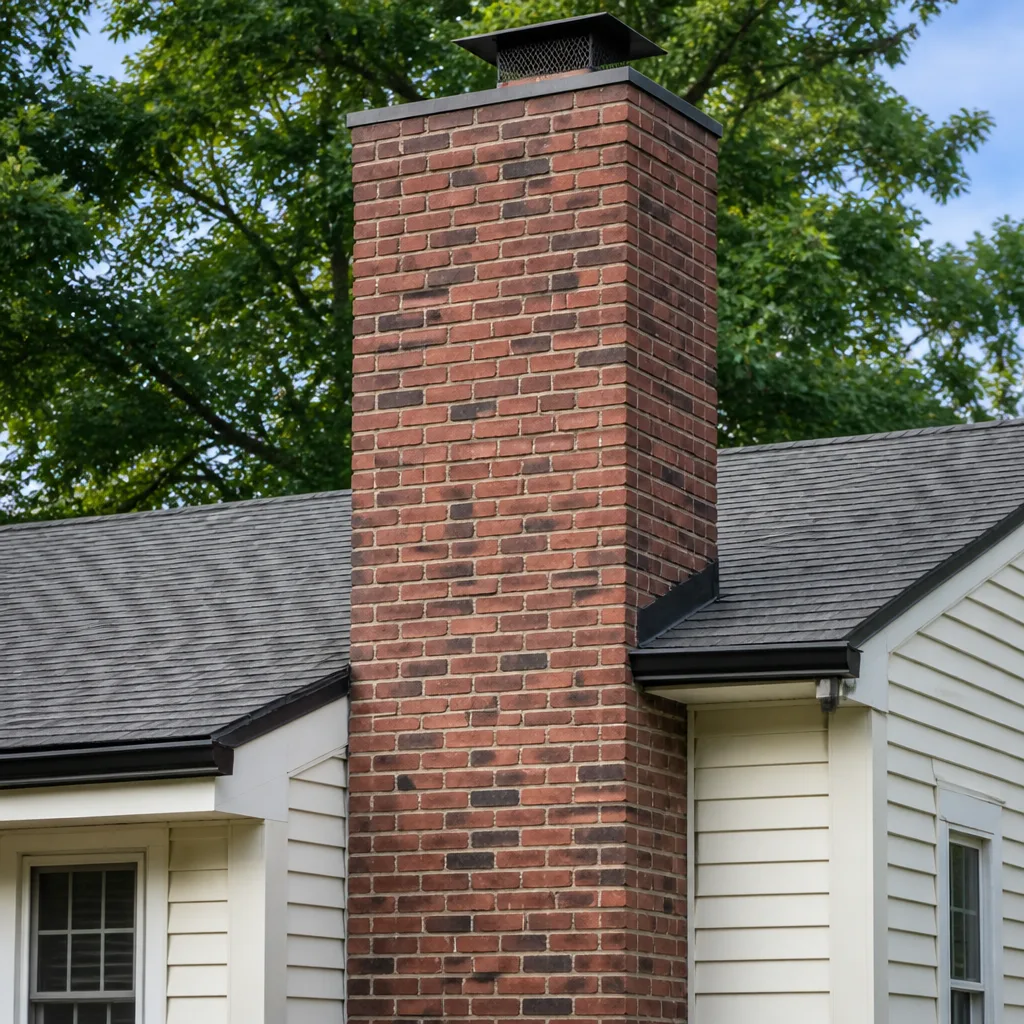 Masonry repair
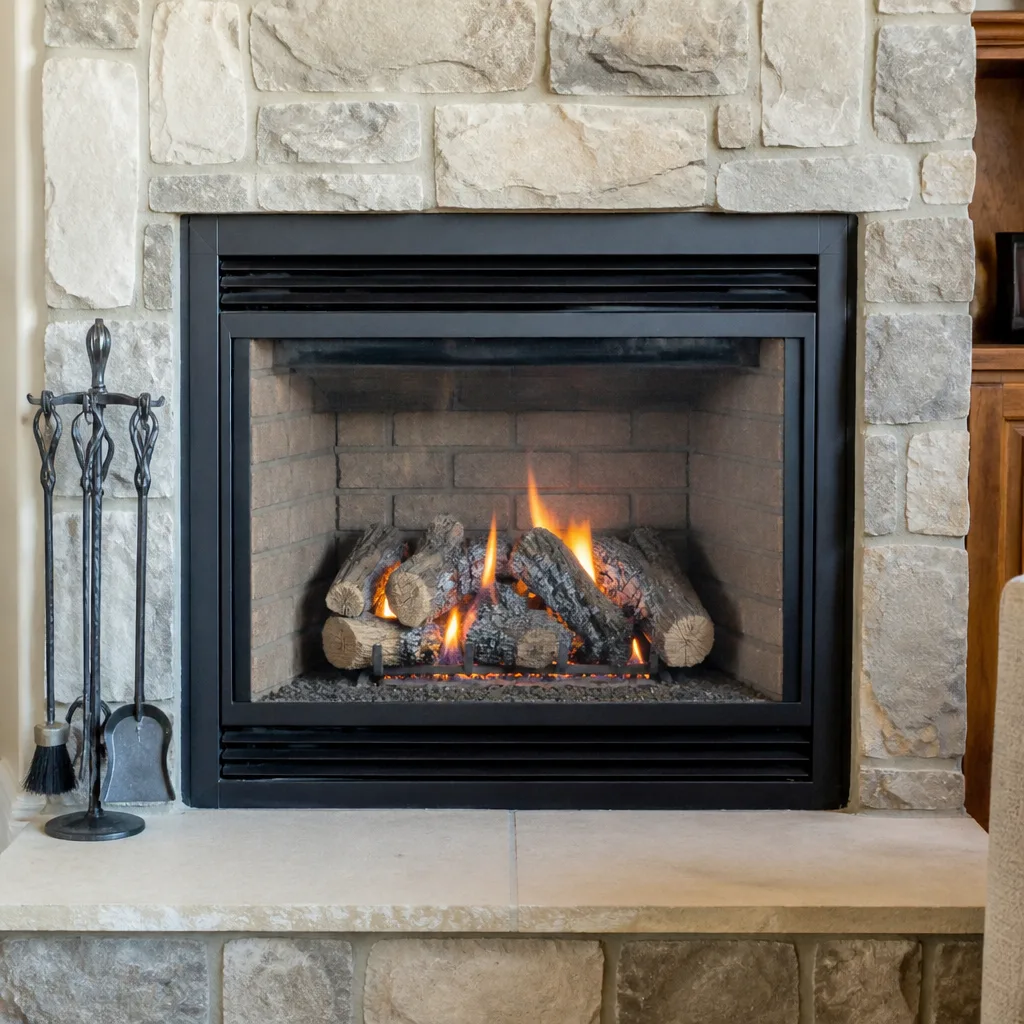 Gas fireplace service
Level 1 sweep and inspection to the NFPA 211 annual standard - flue, crown, cap, and flashing checked and photographed
Chimney sweep logs do not sweep chimneys. They loosen some creosote - which then falls where a brush and vacuum still have to collect it.
DIY vs Professional Chimney Cleaning: The Meadow Hills Homeowner’s Decision Guide
DIY chimney cleaning kits are sold as a complete solution, but they’re engineered to do one narrow job: knock loose, flaky soot and powdery creosote off the flue walls. If you’ve had a slow-burn season, closed the damper down to stretch a fire, or burned wood that wasn’t fully seasoned, you likely have Stage 2 creosote up there – and a brush can make that situation worse, not better by polishing the deposit into a harder, glossier layer. This guide draws the line precisely: what a homeowner can reasonably do, what a brush kit genuinely cannot reach, what liability you take on by cleaning a flue yourself, and what a professional sweep in Meadow Hills actually documents while they’re on the roof.
Quick Answer
For most Meadow Hills homeowners, professional chimney cleaning is the safer and more defensible choice because a brush kit only removes light Stage 1 deposits and cannot address glazed Stage 2 or Stage 3 creosote, liner cracks, or smoke chamber buildup. DIY is reasonable only in narrow cases, such as a gas fireplace with a low-residue insert under light annual use. A professional sweep also delivers a written inspection record that matters if you ever file a fire-related insurance claim.
Styles & brands we work with
- Sweep & inspection
- Caps & crowns
- Flue relining
- Masonry repair
- Gas fireplace service
Table of Contents
- What a DIY rotary brush kit actually removes
- The three stages of creosote and why the stage decides the method
- Containment, equipment, and disposal: the part videos skip
- How a DIY cleaning affects an insurance claim
- When DIY is genuinely reasonable in Meadow Hills
- When DIY becomes a real risk
- What a professional sweep does beyond cleaning
- What professional cleaning costs and what you get for it
What a DIY Rotary Brush Kit Actually Removes
A rotary brush kit does one thing well: it scours loose, crumbly deposits off the flue liner and drops them into the firebox. That’s Stage 1 creosote, the light soot-and-flake layer that builds during a normal burn season. If your chimney has only that, a properly sized poly brush on a flexible rod can leave the flue reasonably clear.
What the kit does not do is just as important. A brush is a mechanical scraper, not a solvent, and it can’t dissolve or neutralize anything that has bonded to the liner. It also can’t see. When you run a brush down a flue you’re cleaning blind, and the problems that matter most are the ones you can’t see from the firebox:
- Glazed creosote. Stage 2 deposits are sticky and tar-like, and Stage 3 is a hardened, glassy shell. A brush drags across the surface of both and can leave them smoother and denser.
- Liner cracks and gaps. Clay tile liners crack, and stainless liners can separate at seams. A brush won’t flag either; a camera will.
- Smoke chamber buildup. The sloped shelf above the damper collects creosote out of brush reach on many older Meadow Hills homes, and it’s a common origin point for chimney fires.
- Crown and cap condition. From inside the firebox you can’t see a cracked crown letting water into the masonry or a rusted cap letting birds and rain in.
The honest summary: a DIY kit keeps a light-use flue from getting worse. It does not tell you whether the flue is safe.
The Three Stages of Creosote and Why the Stage Decides the Method
Creosote forms when wood smoke cools before it leaves the flue. The slower and cooler the burn, the more deposit you get, and the deposit hardens over time into three distinct stages. The stage, not the amount, is what determines whether a brush is enough or whether the flue needs something else entirely.
- Stage 1: soot and light flake. Dusty, crumbly, easy to brush. Removal method: standard poly brush. This is the only stage a homeowner kit is designed for.
- Stage 2: sticky tar. Dark, gummy, and hard to dislodge. A brush tends to smear it rather than remove it. Removal method: a professional rotary head with the right bristle, sometimes combined with a chemical creosote conditioner applied before the sweep so the deposit dries and releases.
- Stage 3: glazed, hardened shell. Looks like black glass and can be very difficult to remove. This is the stage that drives chimney fire risk. Removal method: specialist rotary equipment, and if the liner is damaged underneath, resurfacing or relining rather than cleaning.
Meadow Hills sits at elevation along the Front Range, and cool nights push a lot of homeowners into long, dampered-down burns in spring and fall. Those smoldering fires are exactly the kind that build Stage 2 deposit fastest. If that describes your burn habits, a brush-only approach is the wrong tool.
Containment, Equipment, and Disposal: The Part Videos Skip
The cleaning itself is the easy part to watch online. The difficult part is doing it in an occupied home without spreading fine black soot through the room, and that’s where DIY setups usually fall short. Professional sweeps run a full containment setup before a single brush goes up the flue.
Here’s what a proper cleaning sequence involves:
- Drop cloths and a sealed work zone around the hearth and the path to the door.
- A HEPA vacuum running the whole time to capture airborne soot before it settles on furniture and curtains.
- A sealed firebox or a chimney-door seal so the brush isn’t dropping dust into the room.
- Roof access with proper footing – ladder stabilizers, harness, and a look at the crown, cap, and flashing while up there.
- Contained disposal of the swept creosote, which is corrosive and flammable and doesn’t belong in a household trash bag in the garage.
We’ve seen plenty of DIY attempts where the flue came out acceptably clean but the living room paid for it. Soot from a chimney is oily and fine; it works into upholstery and paint and doesn’t vacuum out completely once it’s settled. Doing this well in a furnished Meadow Hills home takes equipment most homeowners don’t own and won’t use again.
How a DIY Cleaning Affects an Insurance Claim
This is the part of the DIY debate most guides leave out, and it’s the one that matters most when things go wrong. Homeowners insurance policies generally expect that a chimney be maintained and inspected, and after a fire-related claim, the adjuster will ask for a maintenance record. A receipt from a professional sweep with a written inspection report is a clean answer. “I clean it myself every year” is not, because there’s no independent record of the flue’s condition before the loss.
That gap is a coverage question, not a scare tactic. Insurers aren’t looking to deny claims, but they do distinguish between maintained and unmaintained systems, and a documented professional inspection is the easiest way to establish which you had. A professional sweep’s photo report showing the liner condition, the deposit stage, and any flagged defects is exactly the evidence that answers the adjuster’s first question.
If you do clean your own flue, keep a dated log of every cleaning and every visual check, and get a professional inspection on record at least periodically. That’s the minimum documentation a claim would need.
When DIY Is Genuinely Reasonable in Meadow Hills
DIY isn’t wrong in every case. There are specific situations where a homeowner with the right kit and the right expectations can handle a light annual cleaning without taking on real risk. DIY is reasonable when all of these are true:
- You have a gas fireplace with a low-residue insert. Gas units produce far less deposit than wood, and a light annual brush is often enough to keep the flue clear.
- Your wood burning is light and consistent. A few well-seasoned fires a week, burned hot, builds far less creosote than a dampered-down slow burn.
- You’ve had a professional inspection recently and know the liner is intact and the deposit is Stage 1.
- You’re comfortable on a roof or can clean from the firebox with the right rods and containment.
- You’re disciplined about documentation – logging each cleaning and each visual check.
Even in these cases, DIY is about maintaining a known-good chimney, not diagnosing one. If you’re unsure of the liner condition, DIY stops being reasonable.
When DIY Becomes a Real Risk
There are situations where a brush kit isn’t just less effective, it’s the wrong call entirely. If any of these describe your chimney, a professional sweep is the right move:
- You’ve had a slow-burn season or burned unseasoned wood. That’s the recipe for Stage 2 or Stage 3 creosote, and a brush will smear it rather than remove it.
- You’ve noticed a strong tar smell or a shiny, glazed look on the flue walls.
- You’ve had any chimney fire, even a small one. The liner needs professional inspection before the next fire, full stop.
- You have a masonry chimney with a cracked crown or visible water staining.
- You’re on an older Meadow Hills home with a clay tile liner where cracks are common and hard to spot without a camera.
- You’re selling or buying the home and need a documented inspection for the transaction.
Cleaning a flue you can’t see into is the specific risk. If the liner is already damaged and you run a brush down it, you can dislodge tile fragments or push soot into gaps that then vent into the structure. A professional sweep doesn’t clean a damaged flue; they inspect it first and tell you what it needs. For full relining work, that capability matters, and we handle full chimney relining with the DuraFlex flexible liner system alongside the cleaning side of the job.
What a Professional Sweep Does Beyond Cleaning
The cleaning is the visible service. The more valuable part is everything else that happens during a professional sweep visit, and it’s the part that separates a specialist from a brush-and-go operation. When you book a chimney sweep with us, the visit covers the whole chimney system, not just the flue.
Here’s what a professional sweep does that a DIY cleaning cannot:
- Camera inspection of the liner. We run a camera down the flue to see cracks, gaps, and deposit stage that can’t be seen from the firebox.
- A photo report of flue condition. You get a written record with images, which is the evidence an insurer needs if a claim ever comes up.
- Structural checks from the roof. Crown, cap, flashing, and masonry are assessed while we’re up there. A cracked crown letting water in is a repair issue, not a cleaning issue, and it’s flagged before it becomes structural. We handle chimney cap & crown work in the same visit if it’s needed.
- Firebox and damper assessment. A sticking damper or a deteriorating firebox panel is a repair item, and it’s the same specialist’s call. We also handle fireplace repair under the same roof.
- A clear recommendation of what’s needed and what can safely wait. “One inspection tells you exactly what your chimney needs – and what it doesn’t.”
This is the difference between a cleaning and a system check. A brush kit cannot substitute for it. For structural problems like a deteriorating flue that needs resurfacing, HeatShield is the material we use for liner resurfacing, and it’s a repair most sweep-only companies can’t offer because they don’t carry it.
What Professional Cleaning Costs and What You Get for It
Cost is the reason many Meadow Hills homeowners look at DIY first, and it’s worth framing honestly. A DIY kit runs roughly the cost of a brush, rods, and a drop cloth. A professional cleaning costs more, but it buys a camera inspection, a photo report, and a structural check, which is what a kit can’t provide. Typical ranges for the Meadow Hills market look like this:
- Standard chimney sweep: roughly $150-$300, depending on flue access and deposit stage.
- Sweep with camera inspection and photo report: roughly $200-$400.
- Creosote treatment for Stage 2 or 3 deposit: quoted per job by written estimate.
- Liner resurfacing (HeatShield) or relining (DuraFlex): quoted per job by written estimate after inspection.
- Cap and crown repair: quoted per job by written estimate.
Every price is a typical estimate, and the written estimate sets the final price. We agree the flat price before booking, and the inspection and photo report are included. When you compare that to the cost of a kit plus the risk of an undiagnosed liner, the professional sweep is usually the better value, not just the safer one. Professional-grade materials from brands like HeatShield and DuraFlex are part of the reason a repair done right holds up, and they’re not hardware-store substitutes.
Common Mistakes to Avoid
- Buying a brush kit and assuming it’s a complete solution. The kits are engineered for Stage 1 deposit only; treating them as a full cleaning is the most common DIY mistake we see. If your deposit is Stage 2 or 3, the kit leaves the risk in place.
- Cleaning blind and calling it an inspection. Running a brush down a flue tells you nothing about liner cracks or smoke chamber buildup. A cleaning and an inspection are two different jobs, and DIY skips the second one.
- Skipping containment. Fine soot settles into upholstery, carpet, and paint, and it doesn’t fully come out. Improvising containment in an occupied Meadow Hills home usually costs more in cleanup than a professional sweep would have.
- Burning unseasoned wood all season. It builds Stage 2 creosote fast, which turns a routine cleaning into a more involved job. Season your wood and burn hot fires; it keeps the deposit at Stage 1 and keeps DIY in the reasonable zone.
- Cleaning a flue after a chimney fire without an inspection. A brush can push soot into damaged liner gaps and hide the problem. Get the liner inspected before the next fire, no exceptions.
- Ignoring the crown and cap. A cracked crown lets water into the masonry all year, and a missing cap lets birds and rain in. Both are structural issues a brush kit can’t see or fix.
- Keeping no cleaning record. Without a dated log or a professional report, you have no way to show your chimney was maintained if an insurance claim ever needs an answer. Document every cleaning, DIY or professional.
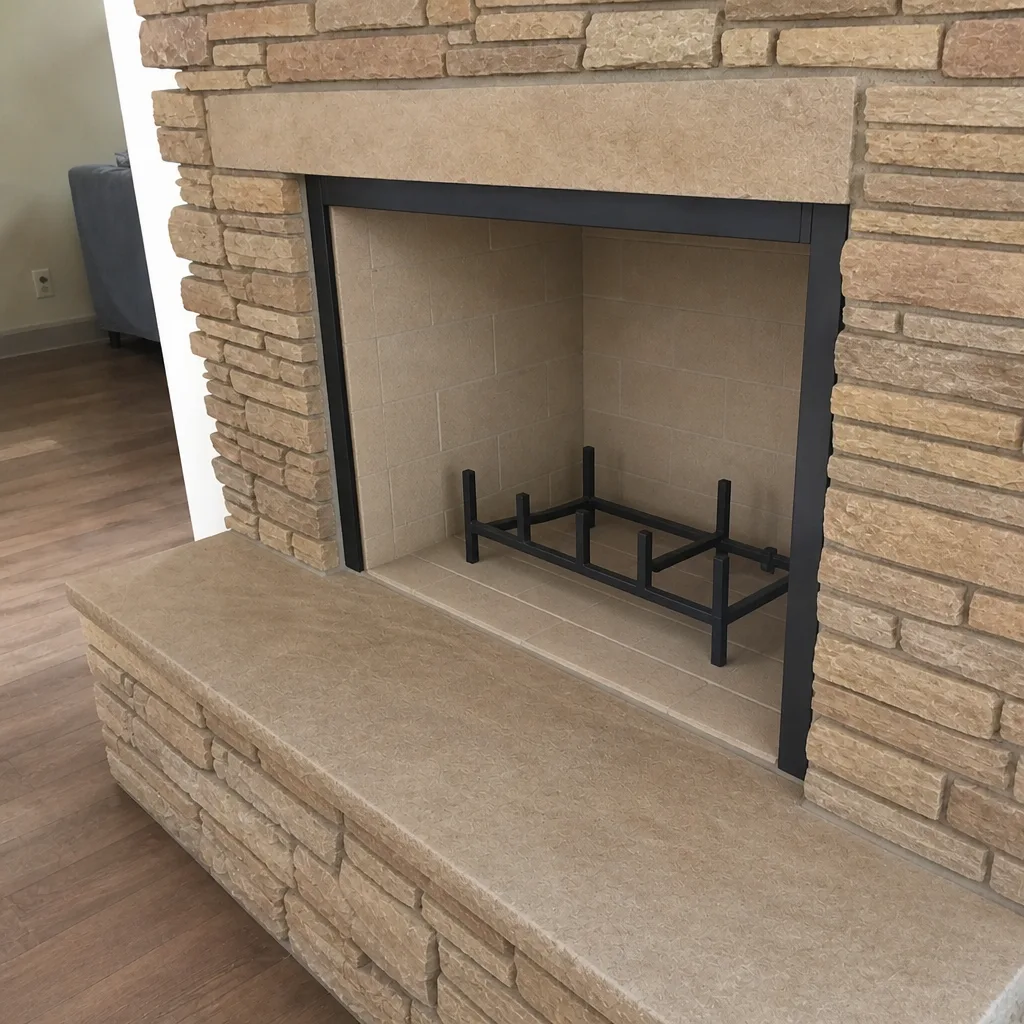
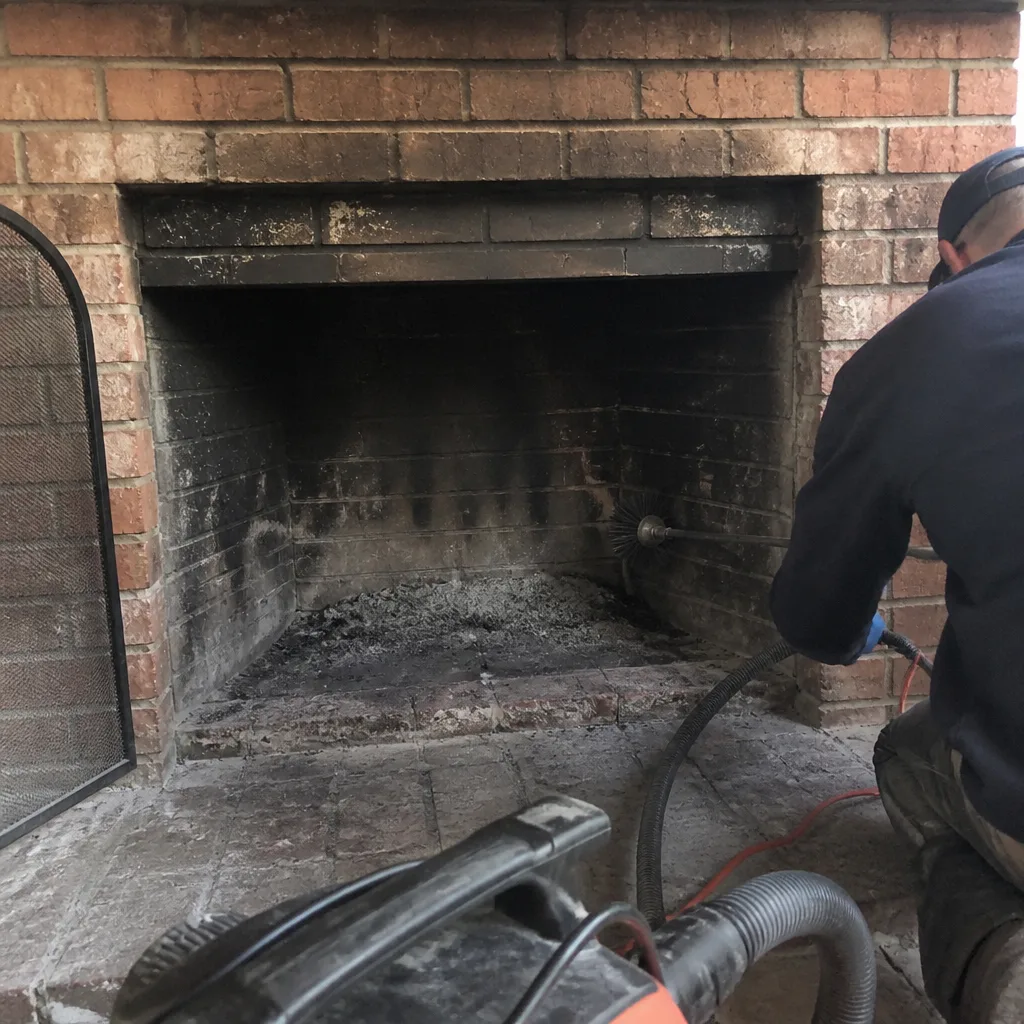
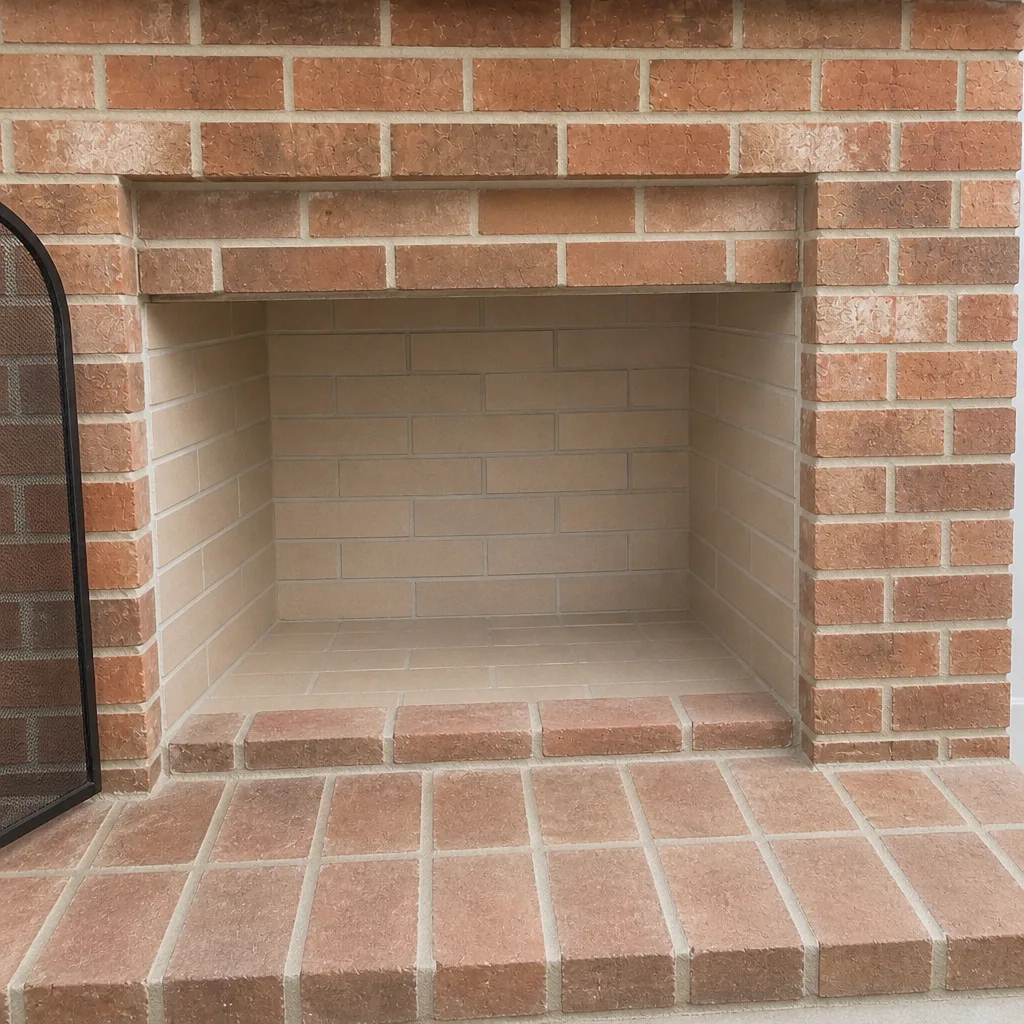
See the difference
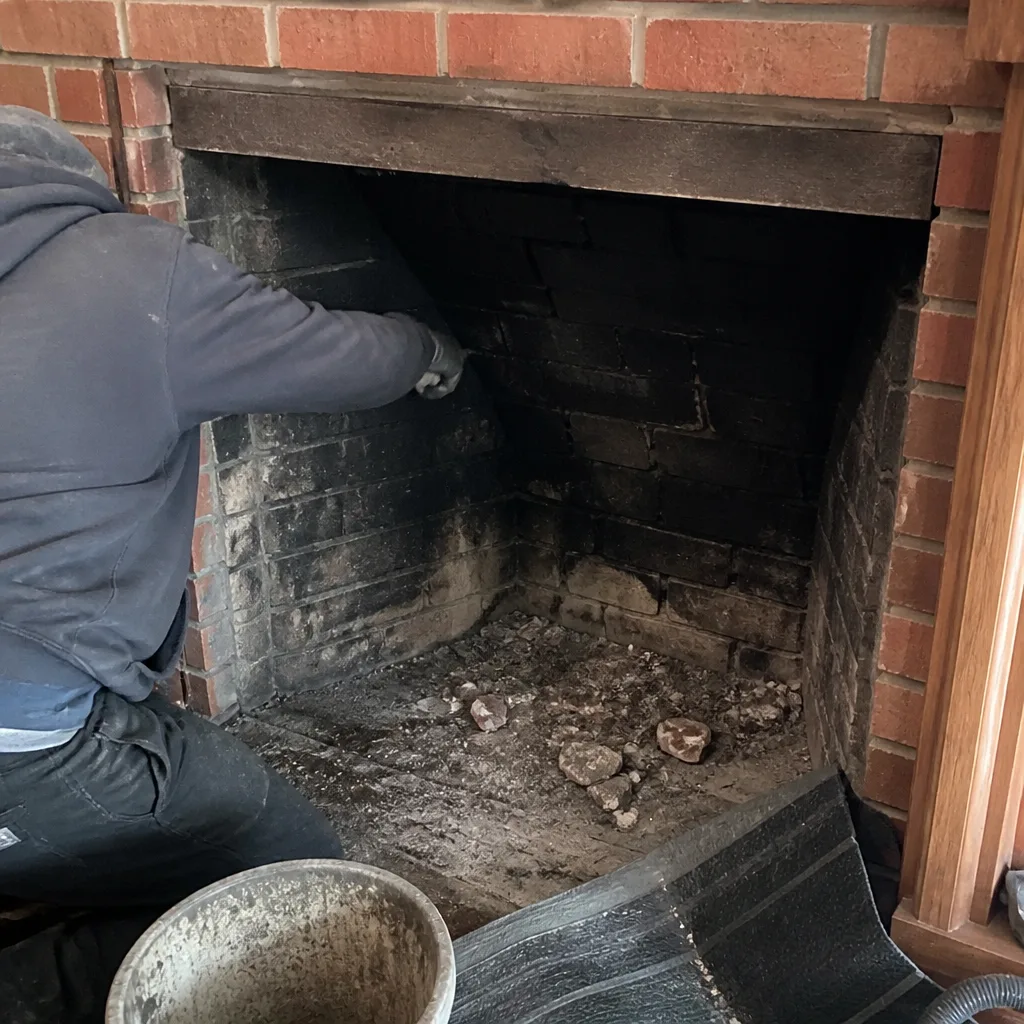 Before
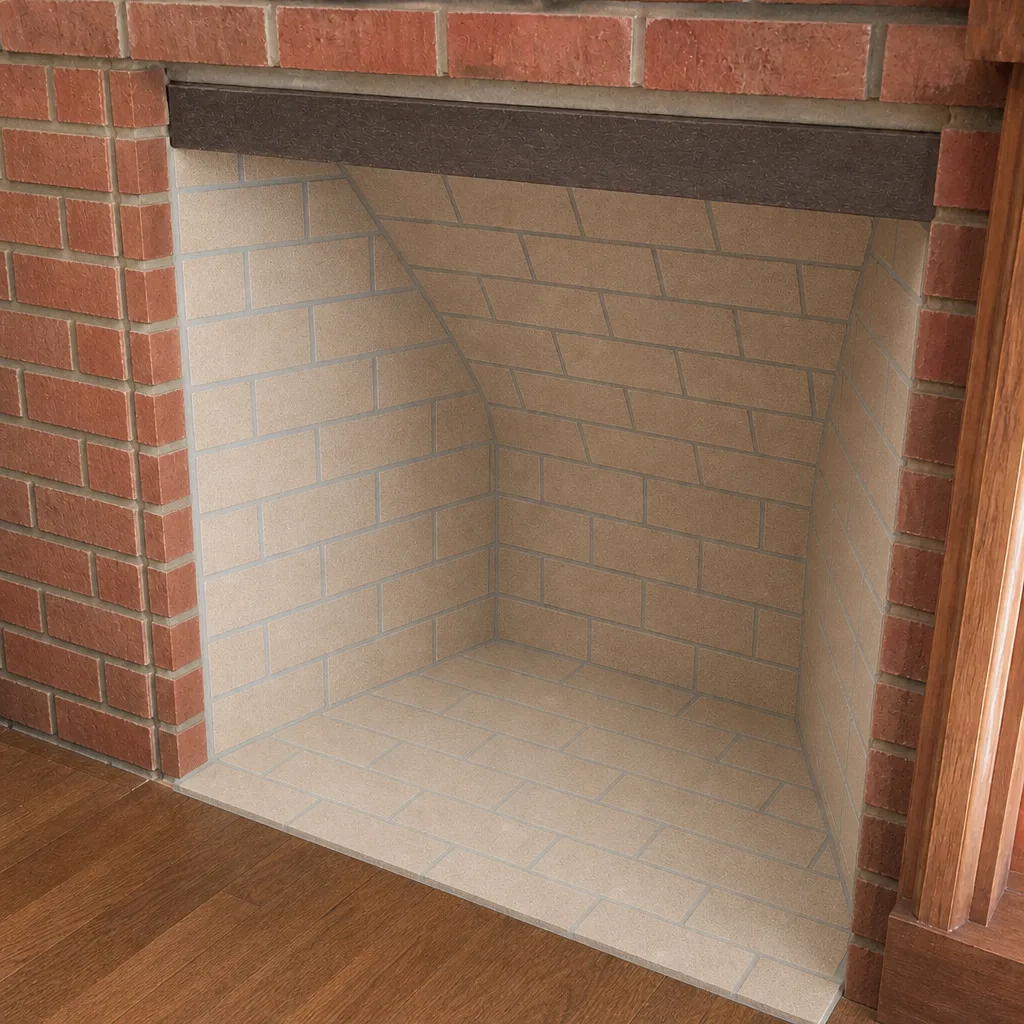 After
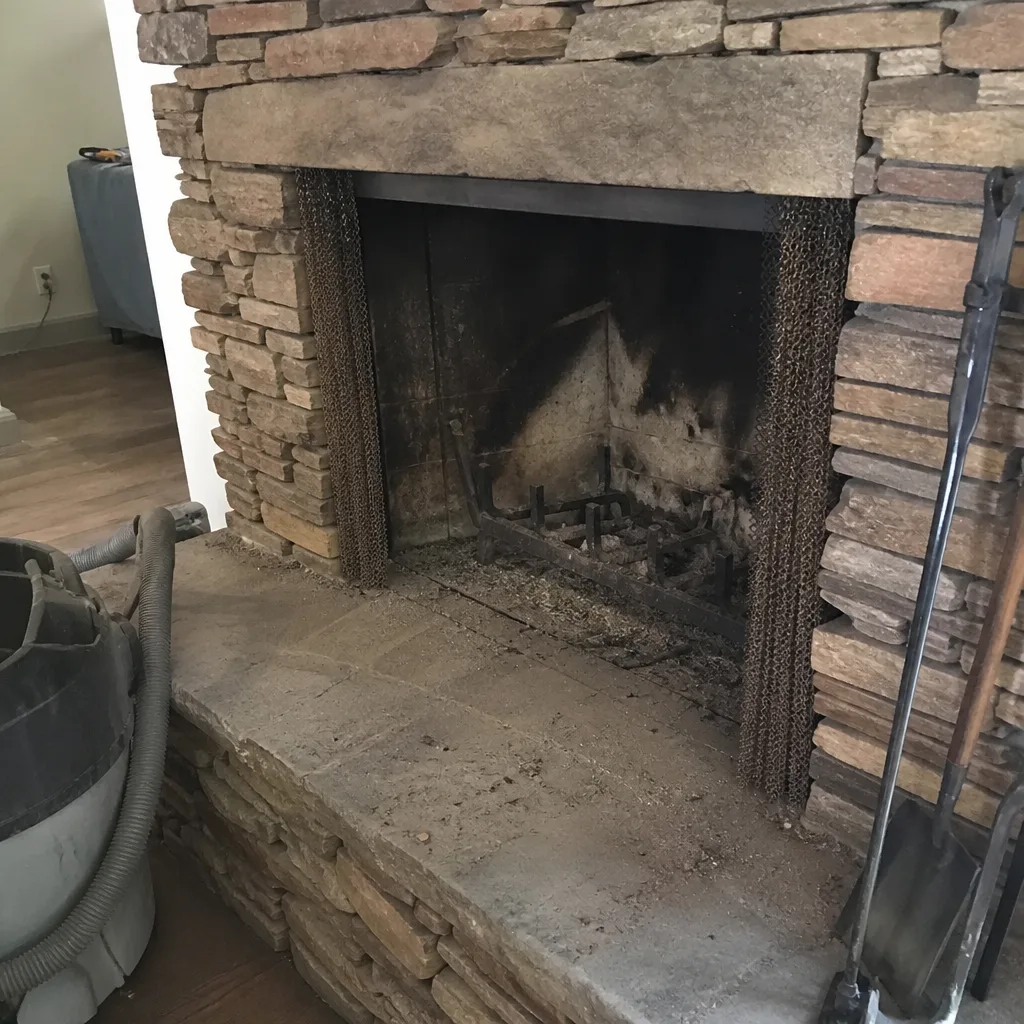 Before
 After
 Before
 After
When to Call a Professional
Call a professional when the deposit is beyond Stage 1, when you’ve had any chimney fire, when the liner is older or suspect, or when you need a documented inspection for insurance or a sale. Those are the cases where a DIY brush doesn’t just underperform, it adds risk. We cover the full chimney system – from the firebox to the cap – so the specialist who cleans your flue is the one qualified to flag and fix a cracked crown, a bad liner, or a sticking damper. Chimney Sweep Meadow Hills offers free estimates in Meadow Hills. Call (855) 658-4120. We answer 24/7. Fast dispatch from 7am to 7pm, Sunday through Friday.
Frequently Asked Questions
You can clean your own chimney if the deposit is light Stage 1 soot and you’ve had a recent professional inspection confirming the liner is intact. A DIY kit won’t safely handle Stage 2 or 3 creosote, and it can’t see liner cracks or smoke chamber buildup. Call (855) 658-4120 for an exact quote – estimates are free.
A DIY brush scours loose soot off the flue walls; a professional sweep cleans the whole system and documents its condition with a camera inspection and photo report. The professional sweep also checks the crown, cap, and firebox from the roof. Call (855) 658-4120 to book a sweep.
It can, in the sense that a claim after a fire needs a maintenance record, and a professional sweep provides a written inspection report an adjuster can rely on while a DIY cleaning leaves no independent record. Keep a dated log if you clean it yourself. Call (855) 658-4120 for a documented inspection.
A chimney should be swept when deposit reaches roughly an eighth of an inch on the flue walls, which for most Meadow Hills homes works out to about once a year during the burn season. Gas fireplaces with light use can often go longer. Call (855) 658-4120 to schedule yours.
No. A standard brush tends to smear glazed Stage 3 creosote rather than remove it, and Stage 2 tar resists brushing too. Removing those stages takes a professional rotary head and, sometimes, a chemical treatment before the sweep. Call (855) 658-4120 for an assessment.
Yes. Chimney Sweep Meadow Hills covers the full chimney system in Meadow Hills, from sweeping and inspection to cap and crown, chimney repair, and fireplace repair. We work with professional-grade brands like HeatShield, DuraFlex, and Famco. Call (855) 658-4120 for a free estimate.
The Bottom Line
The DIY vs professional chimney cleaning question has a clear answer once you account for what a brush can and can’t reach. DIY is reasonable for a gas fireplace or a light-use wood flue at Stage 1, but it can’t address glazed creosote, liner cracks, or smoke chamber buildup, and it leaves you without the written record an insurance claim needs. A professional sweep does the cleaning and the system check in one visit, documents the flue condition, and flags structural issues before they become expensive. For most Meadow Hills homeowners, that’s the safer call.
Contact
If you’re weighing DIY against a professional sweep, the fastest way to settle it is a free estimate and an honest read on your flue’s condition. Chimney Sweep Meadow Hills covers sweeping, inspection, cap and crown, chimney repair, and fireplace repair as one specialist, with professional-grade materials like HeatShield and DuraFlex when structural work is needed. Call (855) 658-4120. We answer 24/7. Fast dispatch from 7am to 7pm, Sunday through Friday. Estimates are free, and the written estimate sets the final price.
Written by the team at Chimney Sweep Meadow Hills.