
Last updated November 23, 2026
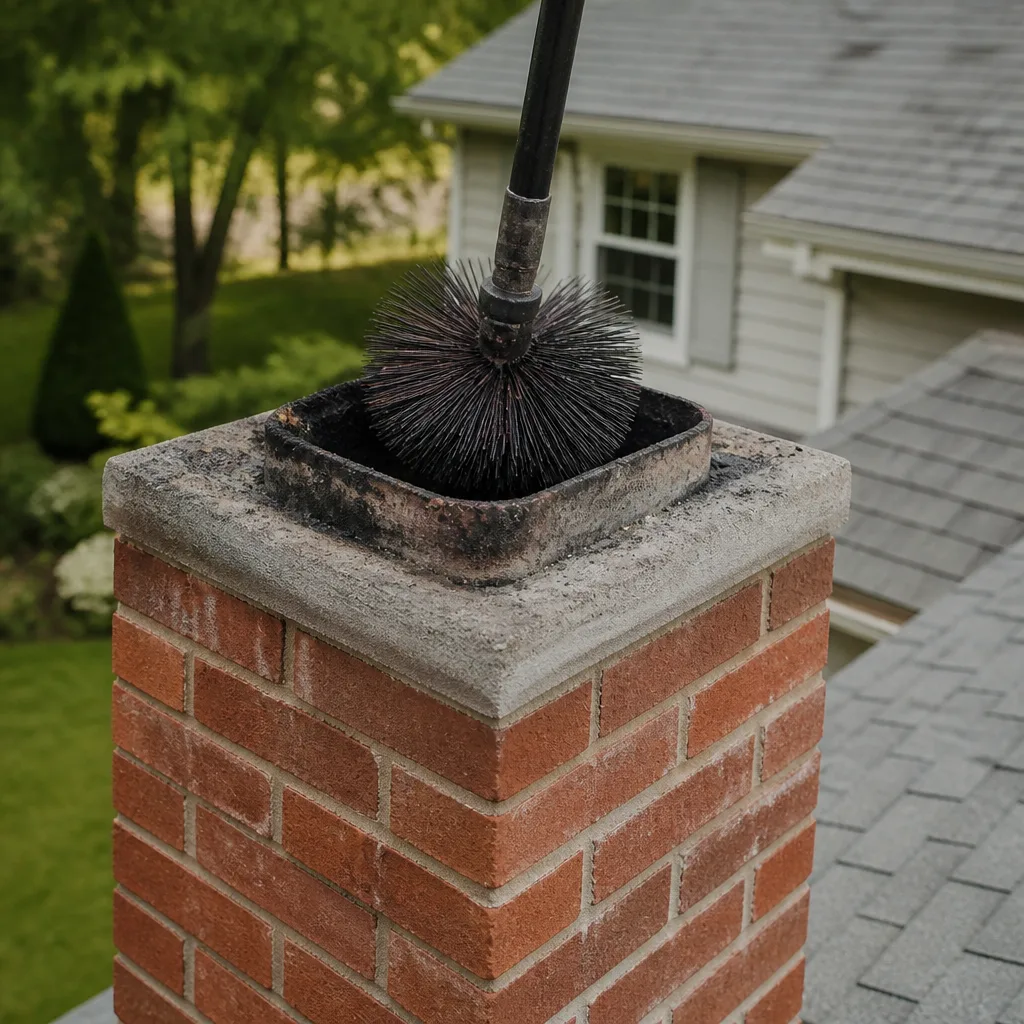 Sweep & inspection
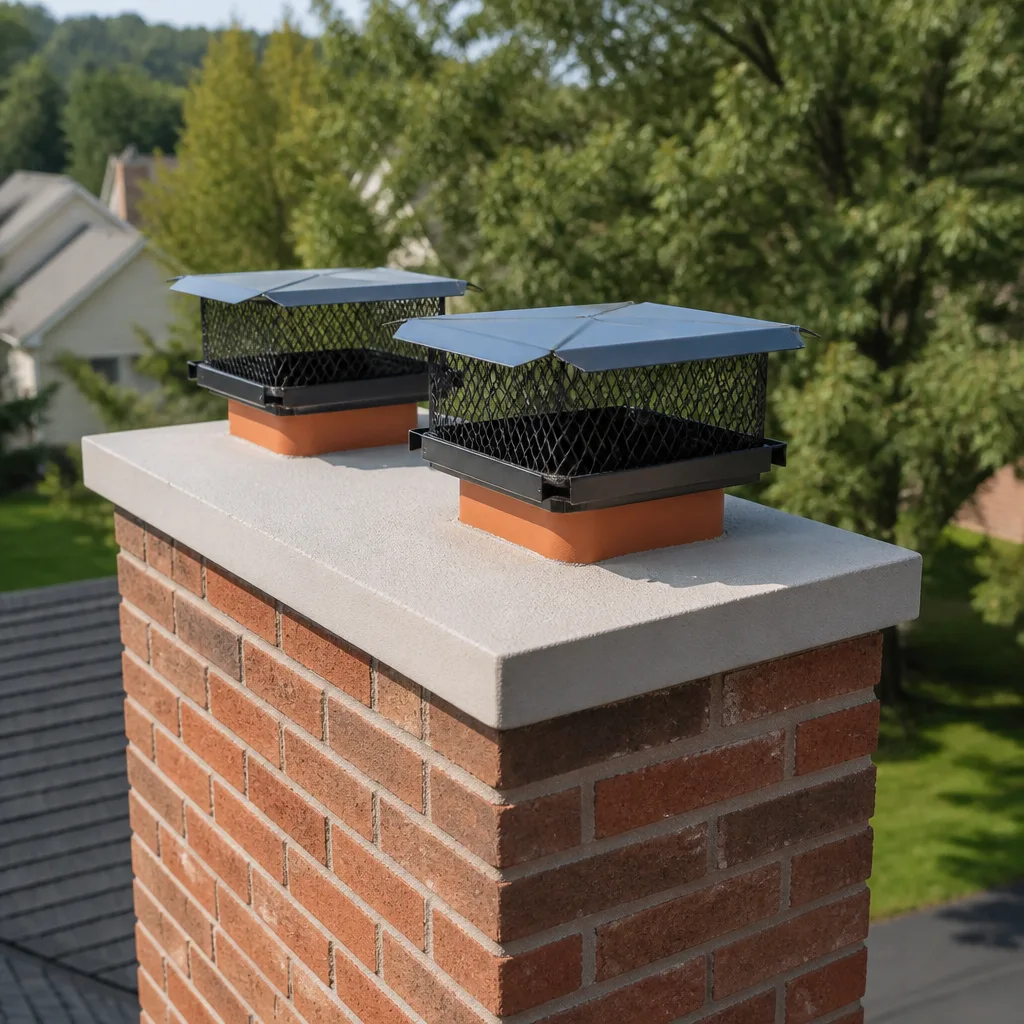 Caps & crowns
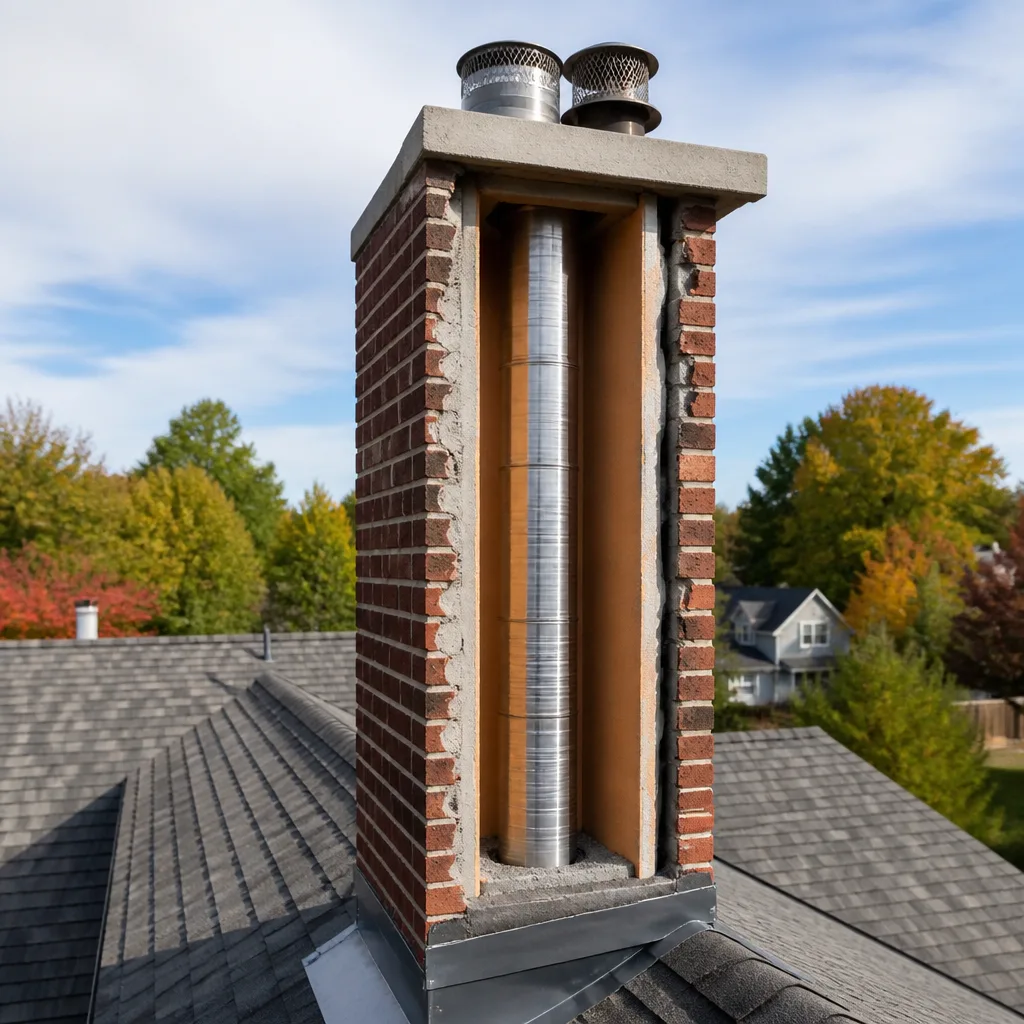 Flue relining
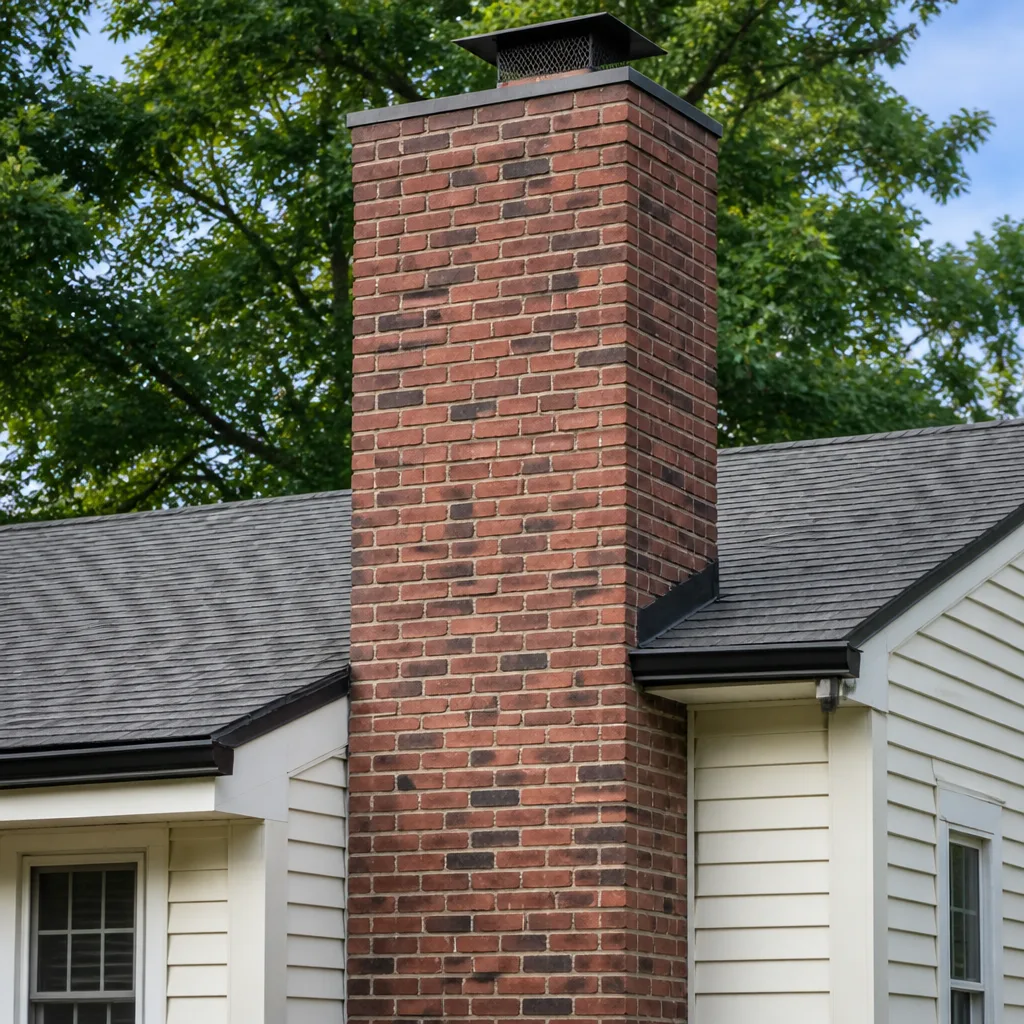 Masonry repair
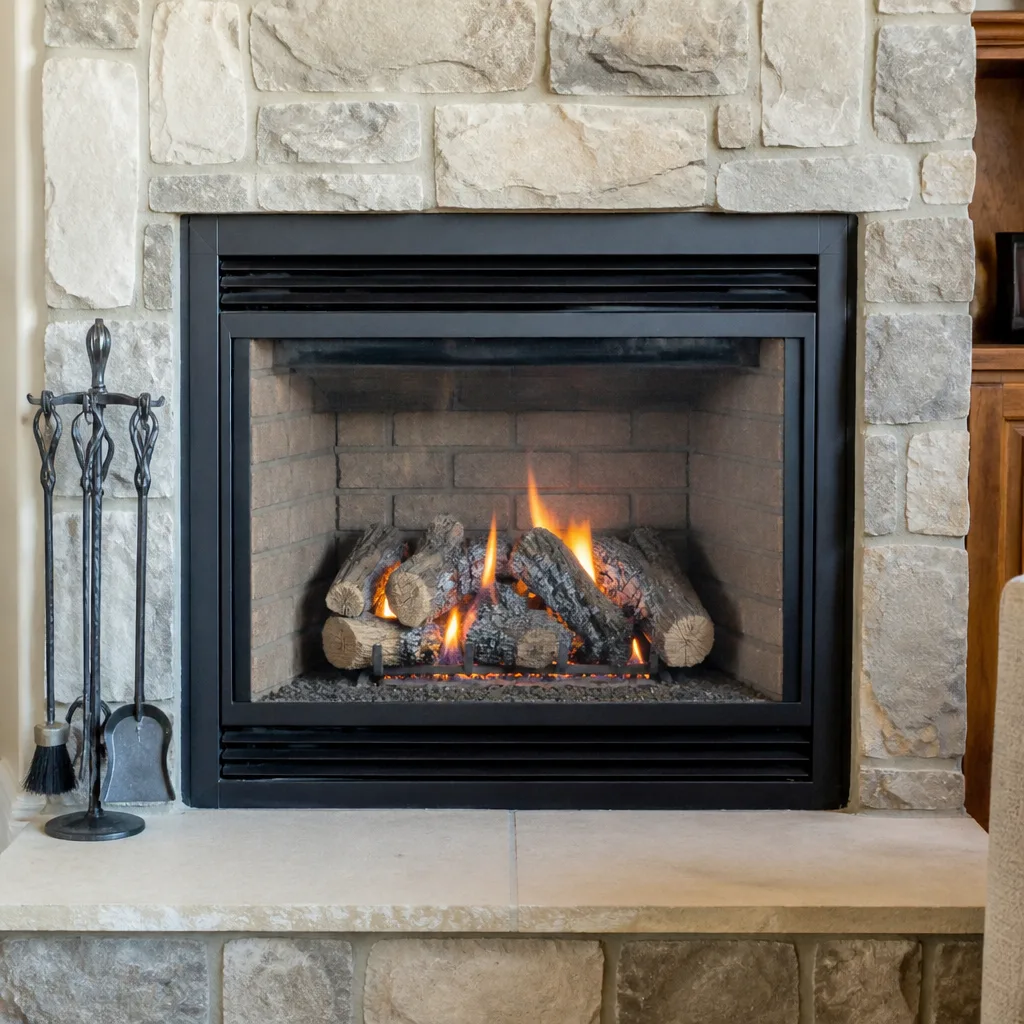 Gas fireplace service
Level 1 sweep and inspection to the NFPA 211 annual standard - flue, crown, cap, and flashing checked and photographed
Chimney sweep logs do not sweep chimneys. They loosen some creosote - which then falls where a brush and vacuum still have to collect it.
The Complete Guide to Chimney Cleaning in Meadow Hills
Most chimney fires don’t start in a neglected flue. They start in a flue the homeowner thought was fine because someone swept it last year without inspecting the liner. A brush pass clears soot and some creosote, but it tells you nothing about a cracked flue tile, a rusted damper, or glazed creosote baked onto the smoke chamber. And in Meadow Hills, where the burning season runs long and the air stays dry, those hidden failure modes show up faster than most homeowners expect. This guide maps the whole system from firebox to cap so you know exactly what a real cleaning covers, what an inspection should catch, and when cleaning alone isn’t enough.
Quick Answer
Chimney cleaning in Meadow Hills is a full-system service, not a single brush pass. A complete cleaning covers the firebox, damper, smoke shelf, smoke chamber, flue liner, and cap, and it’s paired with an inspection to confirm the liner and structure are sound. If you burn wood regularly, plan on a cleaning and inspection once a year, and call a professional the moment you notice glazed creosote, a cracked crown, or smoke backing into the room.
Styles & brands we work with
- Sweep & inspection
- Caps & crowns
- Flue relining
- Masonry repair
- Gas fireplace service
Table of Contents
- How a complete chimney cleaning actually works
- How Meadow Hills elevation and dry air change creosote buildup
- Level 1, Level 2, and Level 3 inspections: which one you need
- Why the smoke chamber and smoke shelf hide dangerous glazed creosote
- What a full-system cleaning covers
- Red flags that mean cleaning isn’t enough
- How often should you clean a chimney in Meadow Hills?
- What does chimney cleaning cost in Meadow Hills?
How a complete chimney cleaning actually works
A complete chimney cleaning follows a set sequence, and each stage catches a different problem. Skipping a stage is how a “swept” chimney still fails an inspection six months later. Here’s what a proper job looks like from start to finish, and what each step is actually checking.
- Protect the room. Drop cloths and a sealed work area keep soot and dust out of your living space before any brush goes up the flue.
- Inspect before cleaning. A quick visual check of the firebox, damper, and accessible flue confirms the chimney is safe to clean and flags anything that needs a closer look.
- Sweep the flue. Flexible rods and correctly sized brushes clear soot and creosote from the liner walls, working top-down or bottom-up depending on the setup.
- Clean the firebox and damper. Ash, soot, and debris come out of the firebox, and the damper is checked for smooth operation.
- Reach the smoke shelf and smoke chamber. These are the areas a quick brush pass misses, and they’re where glazed creosote collects.
- Clean and check the cap. The cap and spark screen are cleared of debris and inspected for rust or damage.
- Document with photos. A thorough sweep ends with a look down the flue and a record of what was found, so you can see the condition for yourself.
Every one of these steps maps to a component that can fail. The flue liner can crack. The damper can seize. The smoke chamber can glaze. The cap can rust through. A cleaning that only addresses the flue leaves the rest of the system unchecked, and that’s the gap this guide closes. When you book a chimney sweep in Meadow Hills, ask what the visit includes beyond the brush.
How Meadow Hills elevation and dry air change creosote buildup
Creosote forms when smoke cools before it leaves the chimney, and in Meadow Hills the local conditions push that process harder than it goes at lower elevations. Altitude thins the air, which changes how a fire burns and how completely wood gases combust. Dry Colorado air matters too: wood that’s been sitting in a dry stack can be ready to burn sooner than homeowners expect, but improperly seasoned wood still produces more of the tar-rich smoke that turns into creosote. The result is that a Meadow Hills flue can accumulate the sticky, flammable first-stage creosote faster than a coastal or low-elevation homeowner would ever anticipate.
Three local factors drive the difference:
- Longer burning season. Cold nights stretch into spring and return early in fall, so fireplaces here run more months of the year than in milder regions. More burn time means more creosote, all else equal.
- Temperature swings. A warm afternoon followed by a hard freeze stresses masonry and metal alike. The expansion and contraction works on the flue liner and crown, and small cracks give smoke a path where it shouldn’t go.
- Dry, thin air at altitude. Fires can burn hot and fast on one day and smolder on another depending on draft. Smoldering fires are the worst creosote producers, because the smoke is cooler and coats the flue.
The practical takeaway: don’t assume a once-every-few-years schedule borrowed from somewhere else fits your Meadow Hills chimney. If your fireplace sees regular use through the cold months, an annual cleaning and inspection is the safe baseline. The Chimney Sweep Meadow Hills team can tell you what your specific flue looks like and whether it needs more frequent attention.
Level 1, Level 2, and Level 3 inspections: which one you need
Not every inspection is the same, and the level you need depends on what’s happened to the chimney. The wrong level can miss a problem entirely, while the right one tells you precisely what condition the system is in. Here’s how the three levels differ.
- Level 1 inspection. A visual check of the readily accessible parts of the chimney: firebox, damper, and the visible portion of the flue. This is the standard annual inspection when nothing has changed and the chimney has been maintained.
- Level 2 inspection. Everything in a Level 1 plus a closer look at accessible areas, including the attic and crawl spaces where the chimney passes through, and often a video scan of the flue. You need this after a chimney fire, after any change to the system (a new appliance, a relining, a fuel change), when buying or selling a home, or if you’ve noticed a problem you can’t explain.
- Level 3 inspection. The most involved level, used when a serious hazard is suspected and parts of the chimney or surrounding structure must be accessed, sometimes requiring removal of components. This is reserved for diagnosed or strongly suspected problems that a Level 2 can’t resolve.
For most Meadow Hills homeowners, the annual visit is a Level 1. The Level 2 becomes the smart call after a chimney fire (even a small one you put out yourself), after a hailstorm or high-wind event damages the cap, or before you close on a house. If you’re not sure which level applies, describe what happened and let a specialist decide. Choosing the right level is exactly the kind of judgment that separates a real inspection from a quick glance. Our chimney sweep visits include an inspection, and we’ll tell you plainly when a higher level is warranted.
Why the smoke chamber and smoke shelf hide dangerous glazed creosote
The smoke chamber and smoke shelf are the most overlooked parts of a chimney, and they’re where the worst creosote hides. The smoke chamber is the tapered space directly above the damper, funneling smoke from the firebox into the flue. The smoke shelf is the flat ledge behind the damper that catches falling debris and redirects downdrafts. Both sit in the path of the hottest, smokiest gases your fire produces, and both are awkward to reach with a standard brush.
That combination is why glazed creosote forms there. Glazed, or third-stage, creosote is what happens when first- and second-stage creosote get repeatedly reheated: it bakes onto the surface into a hard, shiny, tar-like layer that a brush slides right over. It’s also the most flammable stage, which is precisely why it matters.
A brush pass up the flue cleans the liner walls but does little for the glazed layer clinging to the smoke chamber’s angled walls and the smoke shelf ledge. Removing it takes targeted mechanical work, not just a brush, and inspecting it takes a direct look at an area most sweeps never photograph. When we clean a Meadow Hills chimney, we go after the smoke chamber and shelf on purpose, and we show you photos of what was there and what came off. If you’ve been told your chimney was “cleaned” but no one looked above the damper, that’s the gap to close.
What a full-system cleaning covers
Here’s the difference between a flue-only sweep and a full-system cleaning, laid out component by component. Every part below is part of one connected system, and each has a job to do.
- Firebox. The firebox is where creosote and soot accumulate first, and where cracks in the firebrick or mortar can let heat reach the structure behind it. Cleaning here means removing buildup and checking the firebox lining.
- Damper. A damper that won’t open or close properly can let smoke into the room or let heated air escape when the fireplace is idle. Cleaning includes checking that it operates smoothly.
- Smoke shelf and smoke chamber. As above, these require deliberate attention. This is where glazed creosote collects and where a standard brush pass falls short.
- Flue liner. The liner carries smoke and gases safely up and out. It can crack from heat and from freeze-thaw cycles, and a cracked liner is a serious safety issue. Cleaning and inspecting it is the core of the job.
- Chimney cap and crown. The cap keeps water, animals, and debris out of the flue, and the crown sheds water off the top of the chimney. A rusted cap or a cracked crown lets moisture in, which damages everything below. Our chimney cap & crown service handles repairs and replacements.
The point of covering all five is continuity. The same specialist who sweeps your flue is the one who notices the cracked crown or the rusted cap, so nothing gets handed off to a separate crew that never saw the full picture. A chimney is a system from firebox to cap, and cleaning it means checking the whole thing. If your fireplace itself needs work, our fireplace repair service covers that end of the system.
Red flags that mean cleaning isn’t enough
Some problems can’t be swept away. When you see any of the following, the chimney needs structural attention before it’s safe to use again, and cleaning alone won’t make it right. Knowing the red flags helps you act on real evidence instead of a sales pitch.
- Glazed creosote on the smoke chamber walls. Hard, shiny, tar-like buildup needs mechanical removal, and in severe cases liner resurfacing or relining.
- Cracks in the flue liner. A cracked liner lets heat and gases reach combustible material or escape into the structure. It needs repair or a new liner, not a cleaning.
- A cracked or crumbling crown. The crown sheds water off the top. Once it cracks, moisture gets into the masonry and freeze-thaw cycles widen the damage.
- A rusted or missing cap. Without a proper cap, rain and animals get in, and the flue deteriorates faster.
- Smoke backing into the room. This can point to a blockage, a draft problem, or a damaged flue. It’s a diagnostic signal, not a nuisance to ignore.
- White staining or efflorescence on exterior masonry. This often signals moisture moving through the brick, which points to water getting in somewhere above.
When structural work is needed, the materials matter. This is where professional-grade systems like HeatShield for liner resurfacing and DuraFlex for flexible relining come in, rather than hardware-store substitutions. HeatShield lets us restore certain liners in place, and DuraFlex covers full chimney relining when the existing liner can’t be salvaged. Not every sweep carries those capabilities, which is why a cleaning visit that turns up a structural problem should be handled by someone equipped to fix it. We’re equipped for exactly that.
How often should you clean a chimney in Meadow Hills?
Plan on an annual chimney cleaning and inspection if you burn wood regularly, and treat that as a floor rather than a fixed rule. The right interval depends on how much you burn, how well your wood is seasoned, and what the flue looks like. A Meadow Hills fireplace that runs most of the cold season needs a yearly visit; a gas fireplace used occasionally may need less frequent sweeping but still needs an annual inspection to check the venting and the liner.
A few guidelines help you decide:
- Regular wood burning: clean and inspect once a year, before the burning season starts.
- Heavy use or damp wood: check sooner, because smoldering fires build creosote faster.
- After any chimney fire: get a Level 2 inspection before using the fireplace again, even if the fire seemed minor.
- Gas fireplaces: annual inspection to confirm the vent and liner are sound, even if a full sweep isn’t needed every year.
One useful rule that holds in Meadow Hills: don’t judge by the calendar alone. If the creosote layer in your flue reaches about an eighth of an inch, it’s time, regardless of when you last cleaned. A quick look with a light tells you less than a proper inspection, but it’s a reasonable prompt to book one. If you’re unsure, the safest move is to have the system inspected and let the findings set the schedule.
What does chimney cleaning cost in Meadow Hills?
Chimney cleaning in Meadow Hills is priced per job by a written estimate, and the estimate is free. The final cost depends on the condition of the chimney, the level of inspection needed, and whether any repair work is required. Because pricing is set per job rather than as a flat call-out fee, you’ll know what the work involves and what it costs before anything starts. We agree the price in writing before we book the job.
What drives the estimate:
- Cleaning scope. A flue-only sweep versus a full-system cleaning that includes the firebox, smoke chamber, and cap.
- Inspection level. A routine Level 1 check versus a Level 2 with a video scan after an event like a chimney fire or a home sale.
- Creosote condition. Light soot is straightforward; glazed creosote in the smoke chamber takes more mechanical work.
- Repair needs. A cracked crown, rusted cap, damaged liner, or other finding that turns cleaning into a repair job.
Nothing gets recommended that isn’t backed by camera evidence you can see for yourself. That’s the honest answer to the worry most homeowners have: that they’ll be told they need expensive liner or masonry work they have no way to verify. We show you the photos, explain what we found, and tell you plainly when a repair can safely wait. Call (855) 658-4120 for a free estimate. We answer 24/7. Fast dispatch from 7am to 7pm, Sunday through Friday.
Common Mistakes to Avoid
- Skipping the inspection because the sweep “looked fine.” A brush pass tells you the flue got cleaned, not that the liner is intact. In Meadow Hills, where freeze-thaw cycles stress masonry, the inspection is the part that catches real danger.
- Burning unseasoned wood. Damp wood burns cool and smoldery, which is exactly the condition that builds creosote fastest. Season your wood properly before the burning season starts.
- Assuming a flue-only sweep is a full cleaning. If no one cleaned the smoke chamber and smoke shelf, glazed creosote may still be sitting above the damper. Ask what the visit covers.
- Ignoring a cracked crown or rusted cap. Small water intrusion turns into big masonry damage after a couple of Meadow Hills winters. Fix the cap and crown before the freeze sets in.
- Putting off an inspection after a chimney fire. Even a fire you put out yourself can crack a liner. Get a Level 2 inspection before the next fire.
- Choosing a sweep by price alone. A cheap brush-only visit that misses a cracked liner or glazed smoke chamber isn’t saving you money; it’s deferring a real problem.
- Thinking a gas fireplace needs no maintenance. Gas fireplaces still have a vent and a liner that need an annual inspection to confirm everything is sound.
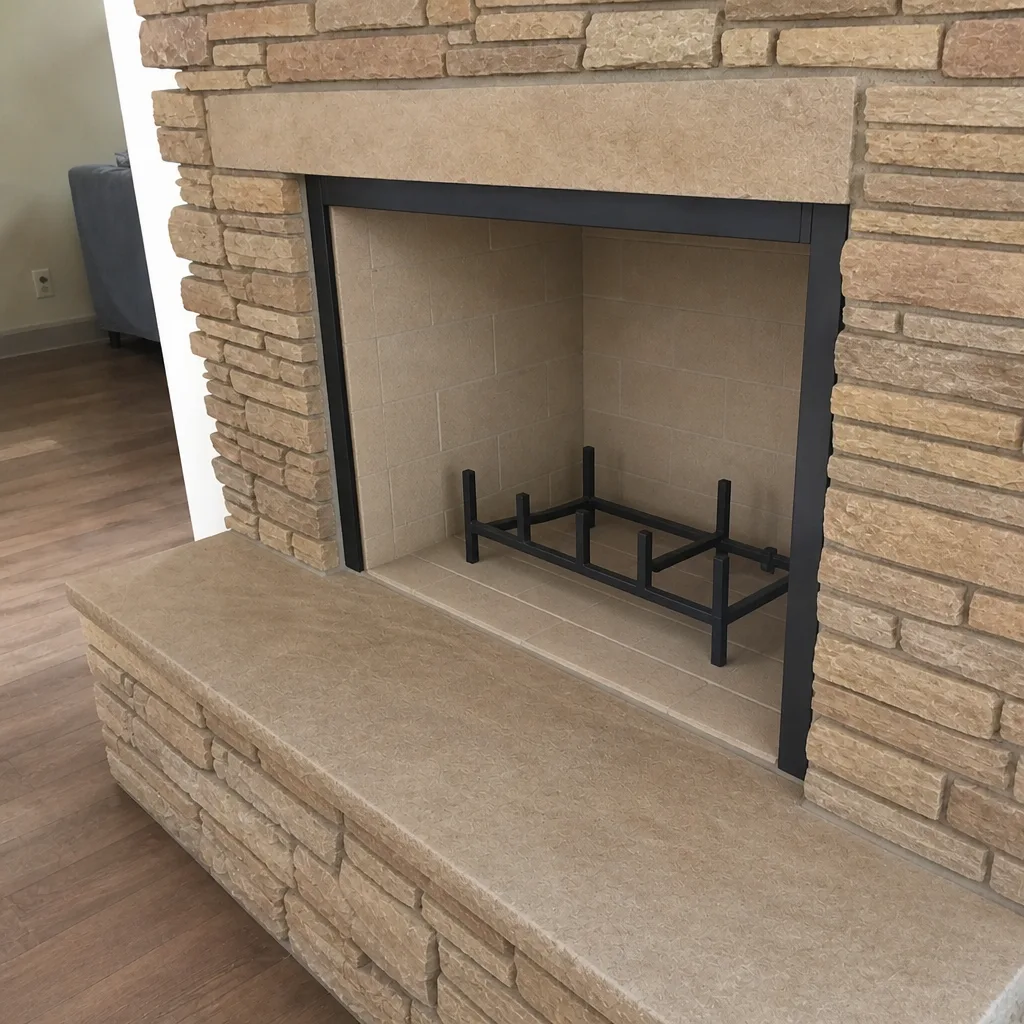
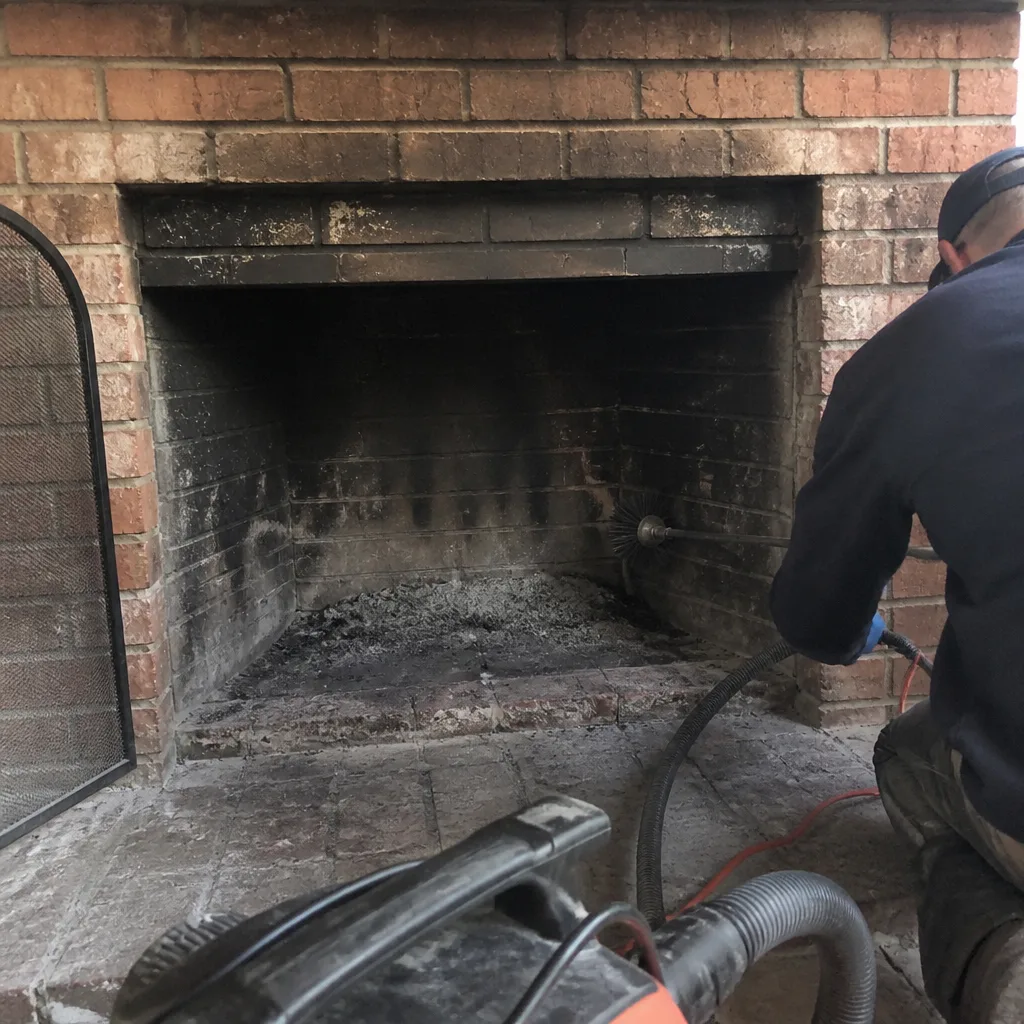
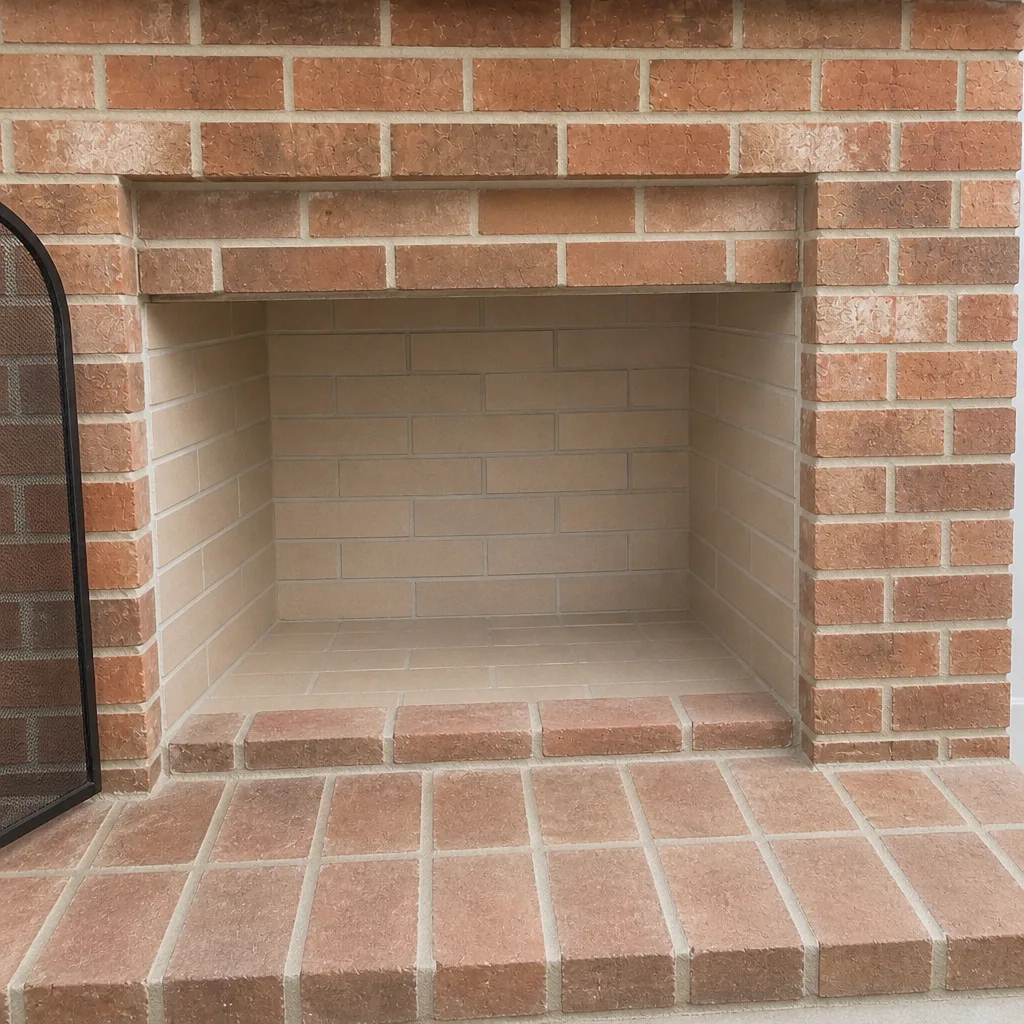
See the difference
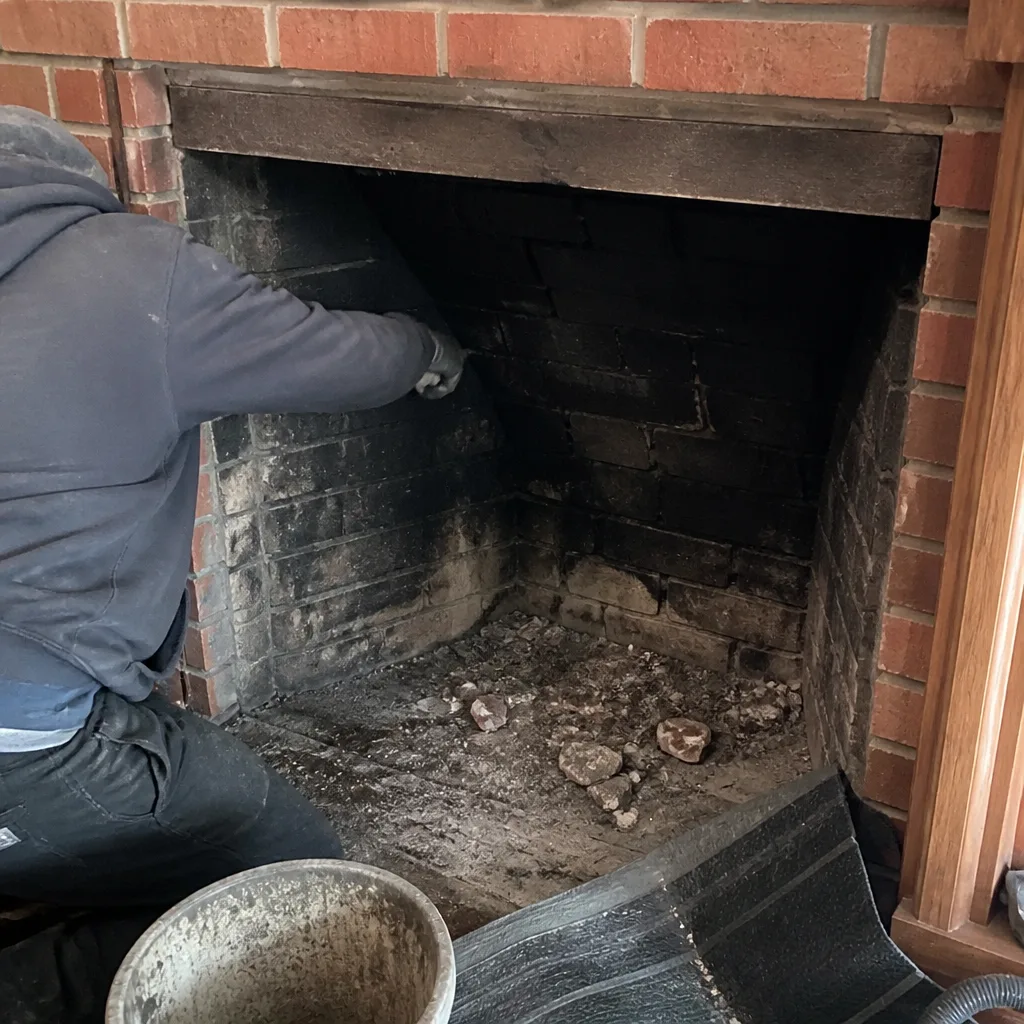 Before
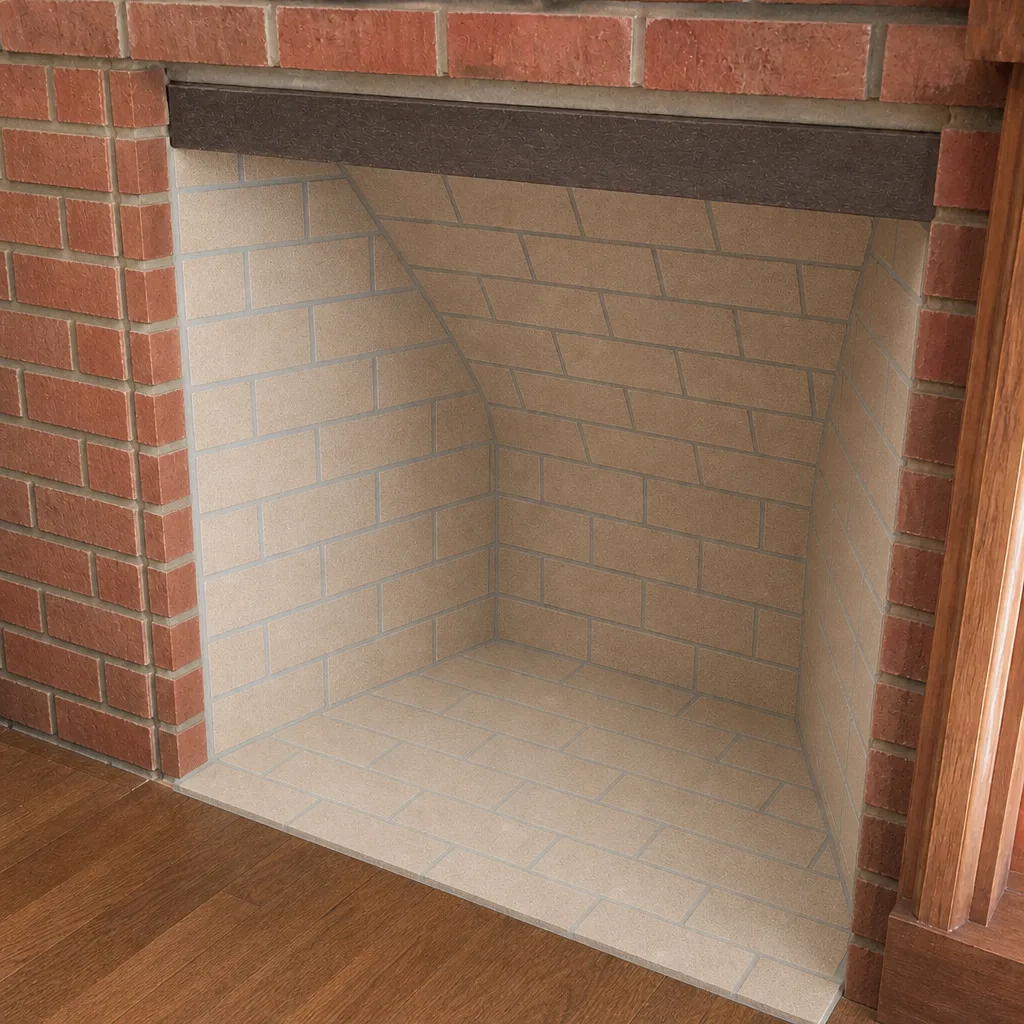 After
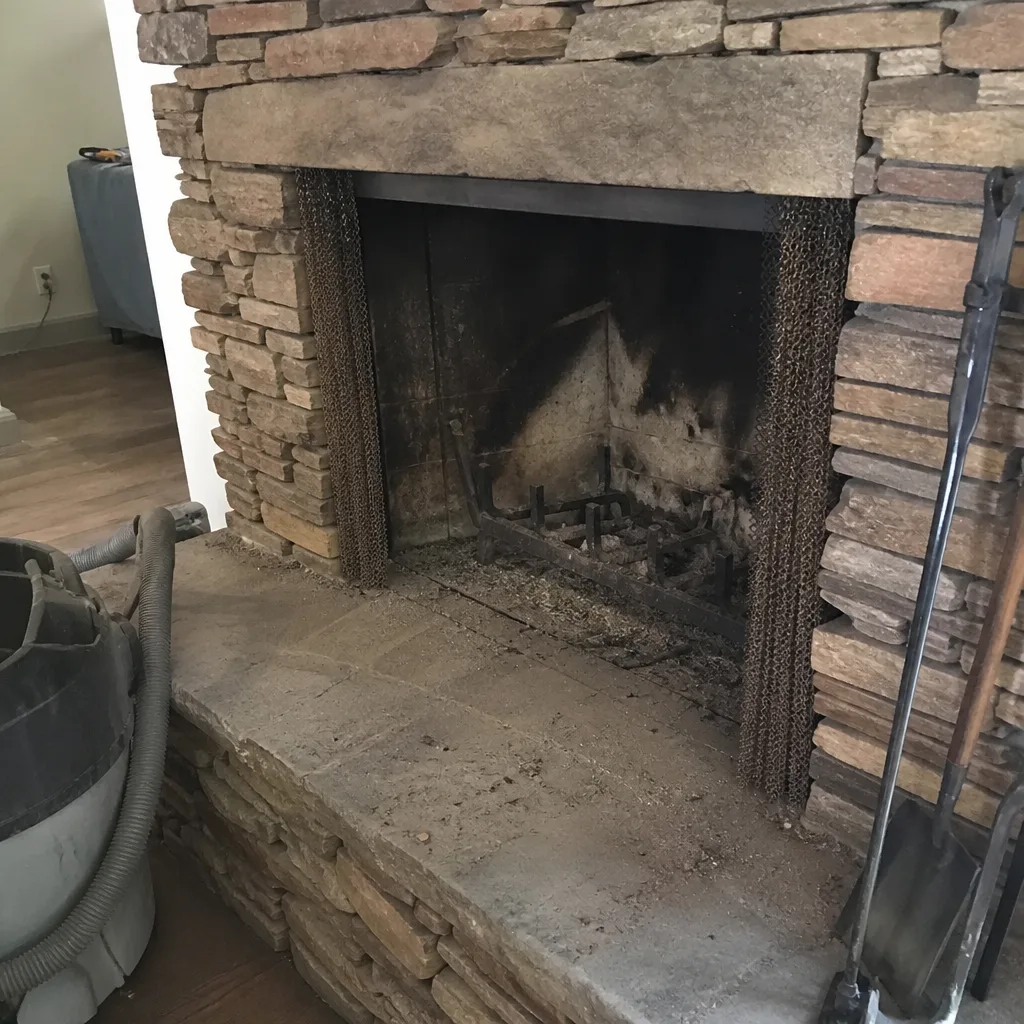 Before
 After
 Before
 After
When to Call a Professional
Call a professional when you notice anything you can’t fully explain: smoke backing into the room, a damper that won’t move, white staining on the exterior brick, a cap that’s rusted or missing, or creosote you can see building up in the firebox. Call after any chimney fire, even a small one. Call before you buy or sell a home with a fireplace, so a Level 2 inspection has been done. And call once a year if you burn wood, as a baseline. Chimney Sweep Meadow Hills offers free estimates in Meadow Hills. Call (855) 658-4120. We answer 24/7. Fast dispatch from 7am to 7pm, Sunday through Friday.
Frequently Asked Questions
Chimney cleaning is priced per job by a free written estimate, so the cost depends on the cleaning scope, the inspection level, and any repair needed. A flue-only sweep costs less than a full-system cleaning that includes the firebox, smoke chamber, and cap. Call (855) 658-4120 for an exact quote. Estimates are free.
Yes, an annual inspection is the safe baseline if you burn wood regularly, because it’s the inspection that catches a cracked liner or a failing crown before it becomes a hazard. Cleaning removes buildup; the inspection confirms the system is sound. The right interval can vary with how much you burn, but yearly is the standard to work from.
A Level 1 is a visual check of the readily accessible parts of the chimney, firebox, damper, and visible flue. A Level 2 goes further, including accessible areas like the attic and often a video scan of the flue, and it’s the level you need after a chimney fire, a change to the system, or when buying or selling a home.
Glazed creosote forms when ordinary creosote gets repeatedly reheated and bakes onto the flue and smoke chamber into a hard, tar-like layer. In Meadow Hills, altitude, dry air, and a long burning season make smoldering fires more common, and smoldering fires produce the cool smoke that turns into creosote.
No, a sweep can’t fix a cracked liner; it needs repair or replacement. That’s why the same specialist who cleans should be equipped for structural work, using professional-grade systems like HeatShield for liner resurfacing or DuraFlex for relining. Cleaning alone won’t make a cracked liner safe.
Gas fireplaces need an annual inspection rather than a full sweep every year, to confirm the venting and liner are sound. Even without wood smoke, the venting system can develop problems that a visual check catches. If you have a gas fireplace, have it inspected yearly.
The Bottom Line
Chimney cleaning in Meadow Hills is a system check from firebox to cap, not a brush down the flue. The smoke chamber and smoke shelf hide glazed creosote that a standard pass misses, the liner and crown can crack under freeze-thaw cycles, and Meadow Hills altitude and a long burning season build creosote faster than many homeowners expect. Get an annual cleaning and inspection, choose the right inspection level after events like a chimney fire, and act on red flags before they turn into structural repairs. When cleaning alone isn’t enough, HeatShield and DuraFlex make liner restoration possible. Chimney Sweep Meadow Hills covers the full system with professional-grade materials and free estimates: call (855) 658-4120. We answer 24/7. Fast dispatch from 7am to 7pm, Sunday through Friday.
Written by the team at Chimney Sweep Meadow Hills.