
Last updated November 23, 2026
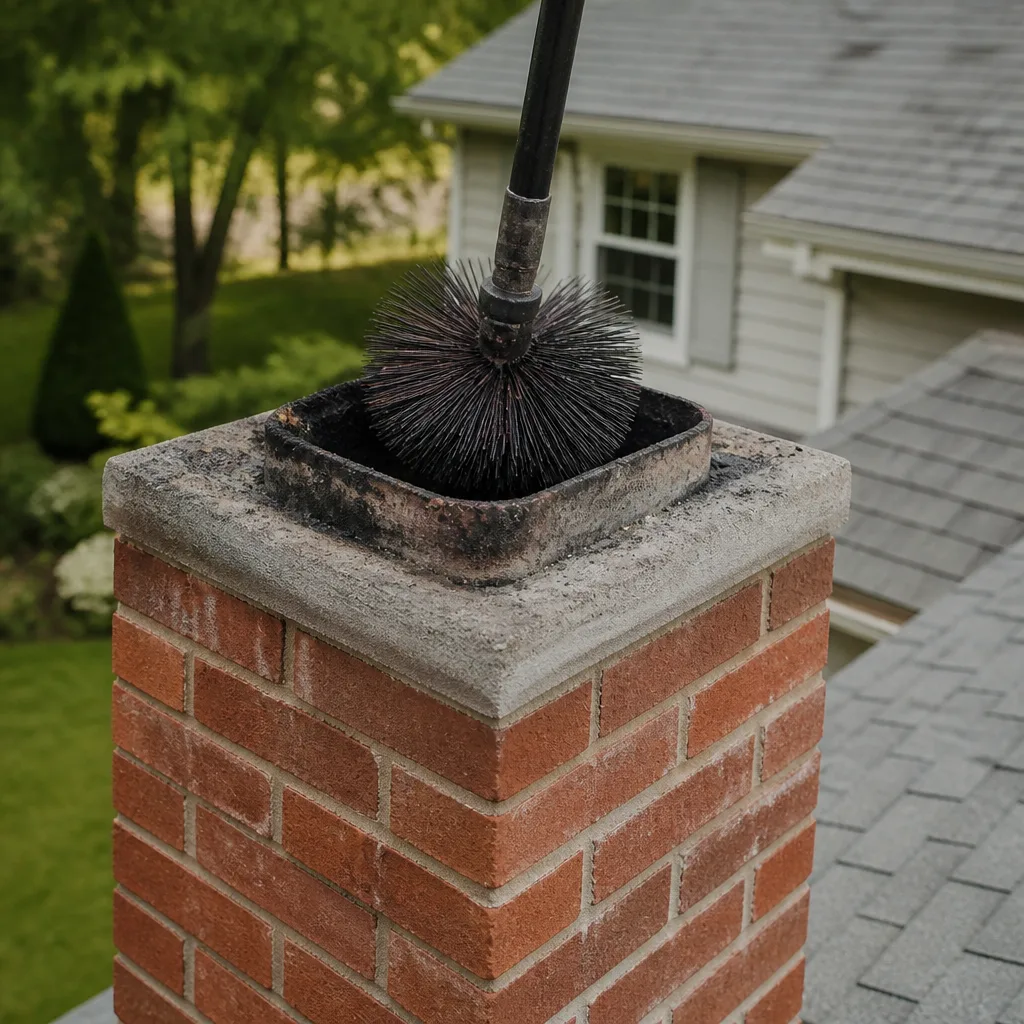 Sweep & inspection
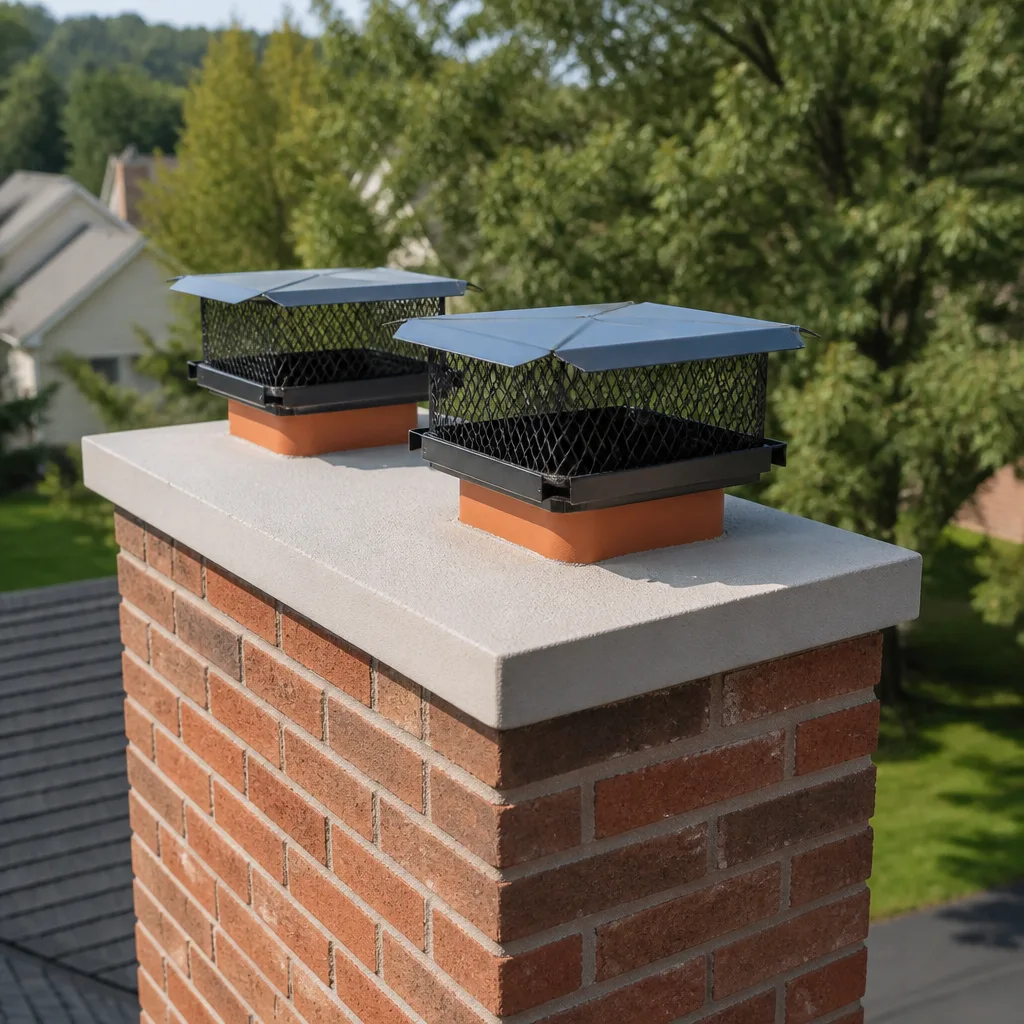 Caps & crowns
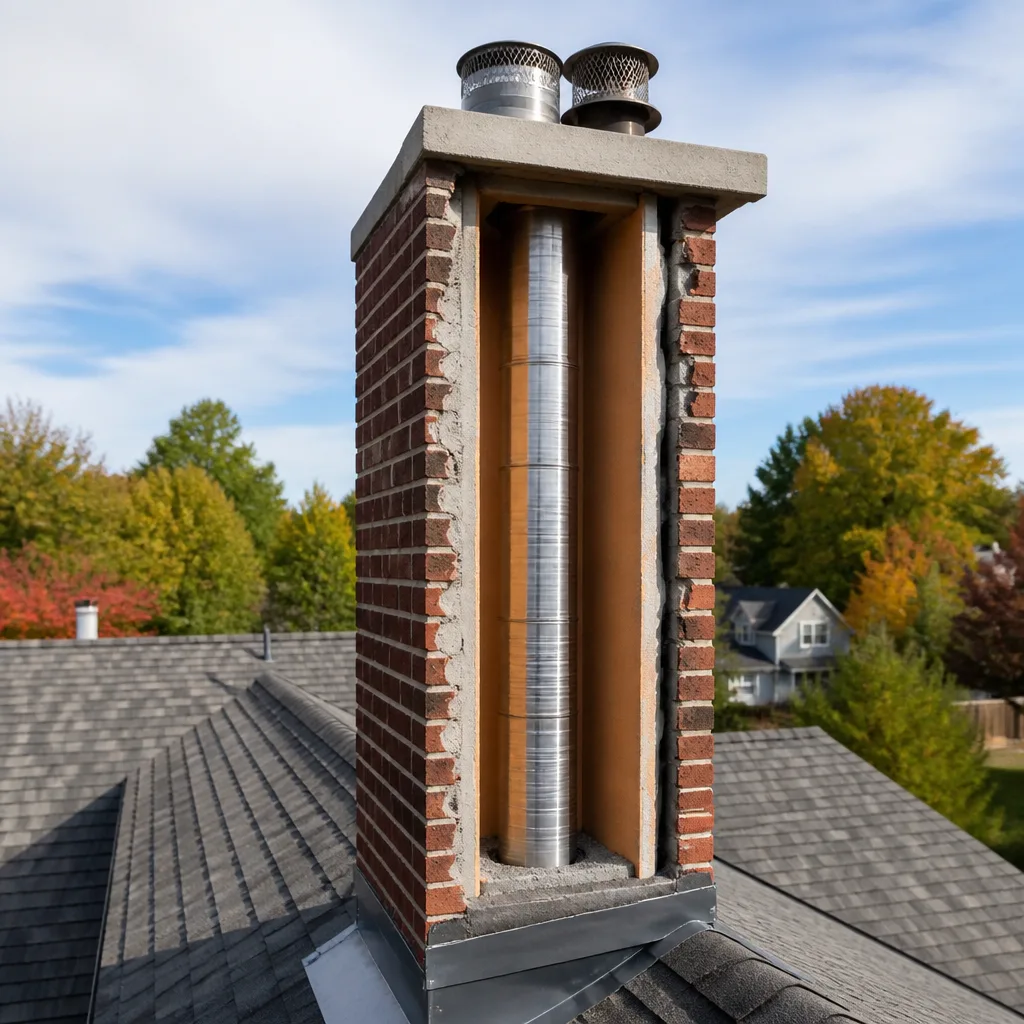 Flue relining
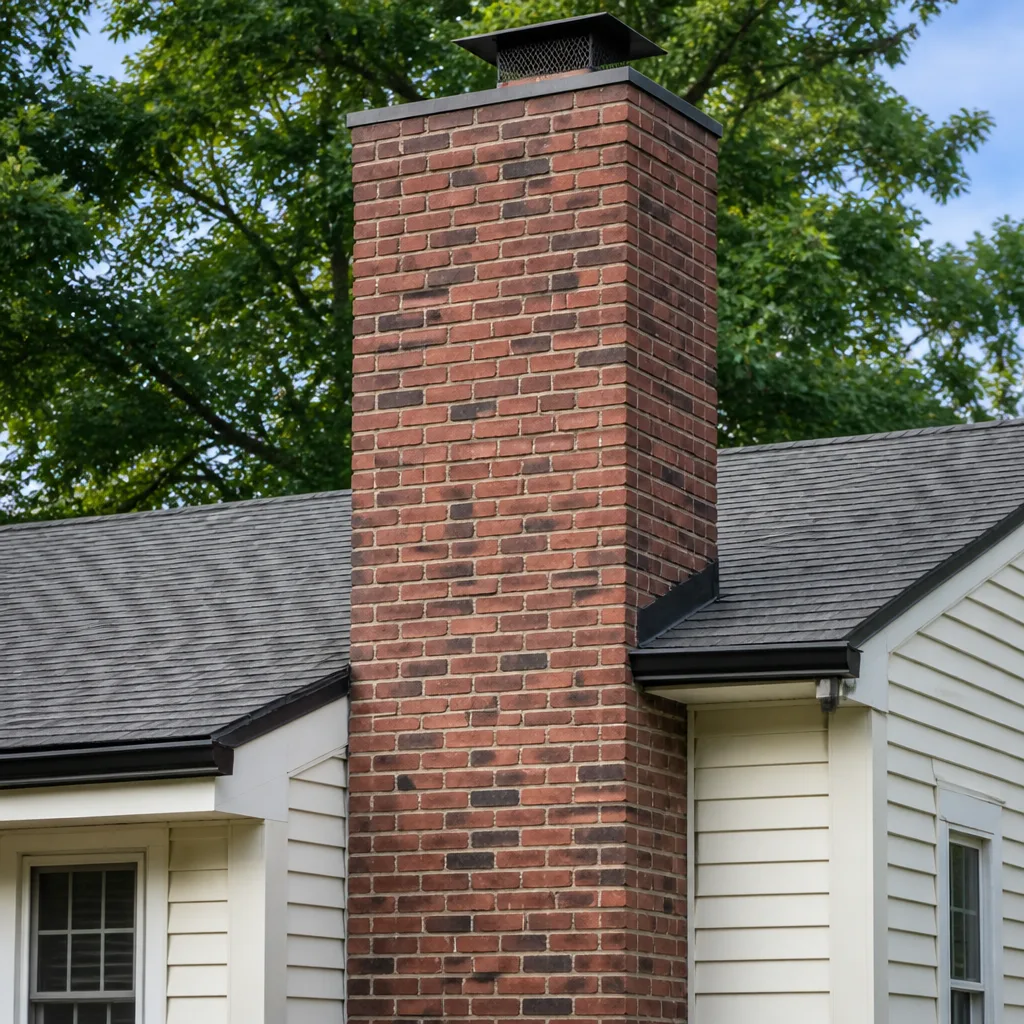 Masonry repair
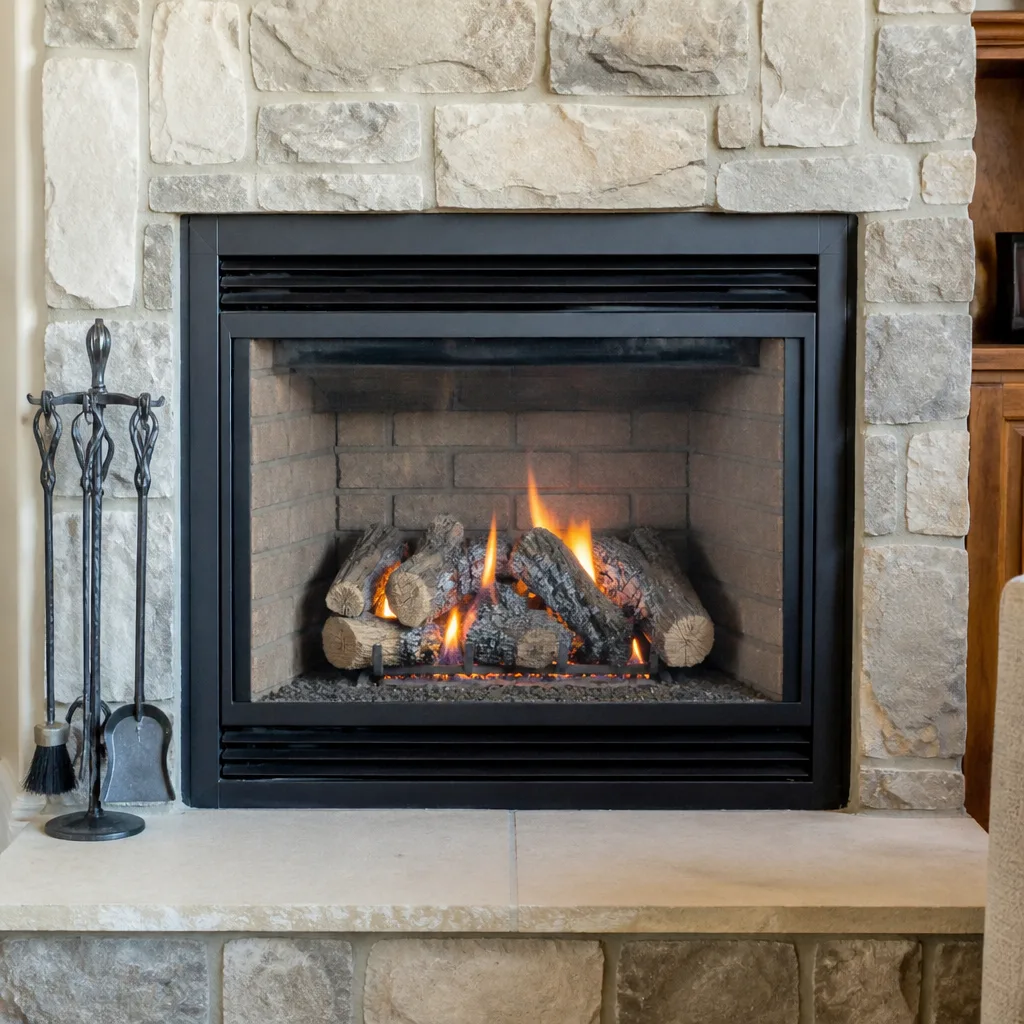 Gas fireplace service
Level 1 sweep and inspection to the NFPA 211 annual standard - flue, crown, cap, and flashing checked and photographed
Chimney sweep logs do not sweep chimneys. They loosen some creosote - which then falls where a brush and vacuum still have to collect it.
Choosing the Right Chimney Cleaning Brand: A Buyer’s Guide for Meadow Hills
Here’s the part of chimney care most homeowners never hear about. The sealant your sweep brushes onto a crown, the liner system they slide down your flue, and the creosote treatment they apply before a sweep all come in wildly different grades, and the wrong grade can do more damage than good. Take waterproofing: a standard hardware-store masonry sealer traps moisture inside the brick. In Colorado’s freeze-thaw cycles, that trapped water expands, pushes the face of the brick off, and speeds up spalling. A vapor-permeable formula lets the masonry breathe. Same brick, opposite outcome. This guide explains what professional-grade chimney materials actually are, how brands like HeatShield and Gelco differ from retail substitutes, and how to ask a Meadow Hills contractor exactly what they’re putting on your chimney.
Quick Answer
The right chimney cleaning brand is one that specifies professional-grade products by name for each part of the job: a vapor-permeable water repellent for masonry, a flexible crown coating, a correctly gauged liner system matched to your appliance and climate, and creosote treatments designed for the stage of buildup you actually have. Ask any Meadow Hills sweep which brand they use for sealants, liners, creosote treatment, and mortar repair. A clear, specific answer tells you they work to a professional material standard. A vague one (“we use good stuff”) or a hardware-store brand tells you the opposite.
Styles & brands we work with
- Sweep & inspection
- Caps & crowns
- Flue relining
- Masonry repair
- Gas fireplace service
Table of Contents
- The Five Product Categories in a Full Chimney Service
- Why Professional-Grade Brands Exist at All
- Liner Resurfacing and Crown Coatings: Where HeatShield and Gelco Fit
- Flexible Liner Systems: DuraFlex, Olympia Chimney, and Gauge Matters in Colorado
- Creosote Treatments: Modifiers vs. Consumer Cleaning Additives
- How to Ask a Contractor What Brand They Use
- Brand Standard vs. Technique: Why You Need Both
- What Meadow Hills Homeowners Specifically Need to Know
The Five Product Categories in a Full Chimney Service
A chimney isn’t one material. It’s masonry, mortar, a flue liner, a crown, a cap, and a firebox, and each surface takes a different product. When you hire a sweep, you’re really hiring someone to choose the right chemistry and hardware for each part. Here’s what a complete service touches, and why each category has its own brand landscape.
- Water repellent sealants. Applied to exterior masonry to slow water absorption. Must be vapor-permeable. A non-breathing sealer locks moisture in and accelerates spalling, especially through freeze-thaw cycles.
- Crown coatings. The crown is the sloped concrete cap at the top of the chimney. Flexible, crack-resistant coatings outperform rigid patching compounds that re-crack as the chimney expands and contracts.
- Liner systems. The flue liner carries combustion gases out of the house. Options range from cast-in-place resurfacing to flexible stainless systems. Gauge and alloy choice depend on the fuel type and climate.
- Creosote treatments. Chemical products that either modify hardened creosote so it can be brushed off, or serve as routine cleaning additives. These are not interchangeable.
- Mortar repair compounds. Used for tuckpointing joints and rebuilding crowns or caps. Formulations differ in freeze-thaw durability and adhesion to old masonry.
Every one of those categories has a national professional brand and a hardware-store equivalent. They are not the same product with a different label. The professional version is formulated for a specific failure mode; the retail version is formulated for general use and shelf appeal. Knowing the difference is the whole game, and it’s what we walk Meadow Hills homeowners through whenever a chimney is due for anything beyond a basic sweep.
Why Professional-Grade Brands Exist at All
Chimney products are engineered around failure modes. A crown coating exists because crowns crack. A flexible liner system exists because old clay tile liners crack, spall, and pull apart at the joints. A vapor-permeable sealer exists because trapping water in brick is worse than letting the brick get wet. Each product is answering a specific, known way chimneys fail in the field.
Retail masonry products sold to homeowners are not built around those failure modes because retail buyers don’t have field data. A general-purpose concrete patch doesn’t know it’s being applied to a crown that flexes when the chimney heats up. A standard sealer doesn’t know it’s being applied to brick that will freeze and thaw dozens of times a winter. So the retail product does a decent job on a flat sidewalk and a poor job on a chimney.
Professional brands like HeatShield, Gelco, Olympia Chimney, Famco, and Copperfield are specified by chimney professionals because they’re tested against exactly the conditions a chimney sees. When a manufacturer publishes guidance on application temperature, cure time, and compatible substrates, that guidance is built for the trade, not the weekend project. A company that stocks and applies those brands is working from a documented standard. A company that doesn’t isn’t working from a standard at all.
Here in Meadow Hills, that distinction lands quickly. Our climate puts masonry through serious thermal stress: warm afternoons, cold nights, repeated freezing and thawing through the shoulder seasons. A product that survives a mild coastal climate is not the same product that survives here. Choosing materials rated for this environment is not a premium upgrade. It’s the baseline.
Liner Resurfacing and Crown Coatings: Where HeatShield and Gelco Fit
Two of the most important repair capabilities in chimney work are liner resurfacing and crown repair, and both hinge on brand-standard materials. This is where a full-service chimney specialist separates from a sweep-only operation.
Liner Resurfacing with HeatShield
HeatShield is a cast-in-place liner resurfacing system. Instead of pulling an old flue apart and installing a new stainless liner, the technician applies a resurfacing material to the interior of the existing flue, restoring a smooth, sealed surface. This is a structural repair service. It addresses cracked tile, deteriorated joints, and rough flue surfaces that trap creosote. Most sweep-only companies can’t perform it because they aren’t equipped and aren’t trained on the system. A company that carries HeatShield in its toolkit is telling you its work goes past cleaning.
When resurfacing is the right answer over full relining depends on the condition of the existing flue, the appliance it serves, and what a camera inspection shows. That’s why the inspection comes first. One inspection tells you exactly what your chimney needs, and what it doesn’t.
Crown Repair and Gelco Coatings
The crown is the piece most homeowners never think about until water is running down the inside of the chimney. When a crown cracks, water gets into the masonry from above, and that water is behind the wall, unseen, doing damage. Gelco produces crown coating and sealant products engineered to flex with the chimney rather than crack away from it. Rigid patching compounds fail here because the crown moves slightly as the chimney heats and cools, and a rigid patch cannot move with it.
A proper crown repair with a flexible coating is one of the highest-return jobs in chimney care. It’s also one of the cheapest moments to fix a problem, because the alternative is masonry repair after years of water intrusion. If a Meadow Hills homeowner is told their crown is cracked, ask what product the repair uses. A named flexible crown coating is a good sign. “We’ll patch it” is not.
While we’re at the top of the chimney: this is also the moment to check the cap and crown together, and our chimney cap & crown service covers both in one visit because they fail from the same weather.
Flexible Liner Systems: DuraFlex, Olympia Chimney, and Gauge Matters in Colorado
When a flue is too far gone for resurfacing, or when a new appliance needs a properly sized liner, a flexible stainless liner system is the answer. And this is where brand and gauge choice matter most for a Colorado wood-burning application, because a liner is a long-term structural component, not a consumable.
Flexible liner systems like DuraFlex and Olympia Chimney come in different alloys and gauges. The right combination depends on the fuel type (wood vs. gas), the appliance’s output, the flue’s dimensions, and the environment the liner will live in. A wood-burning application in a cold climate with significant temperature swings puts different demands on a liner than a mild-weather installation. Using an under-specified system saves money on the install and costs money later, because a liner that’s too thin or the wrong alloy for the conditions can fail prematurely.
There’s a warranty dimension here too. Professional liner brands publish installation requirements and warranty terms tied to those requirements. When a company installs correctly to the manufacturer’s specification, the warranty stands. When a company improvises, the warranty typically doesn’t. That’s a real, documented difference, not marketing.
Our technicians have up to 10 years of experience, and DuraFlex liner system experience covers full chimney relining projects. That means the same specialist who sweeps your flue is credentialed to reline it when the inspection shows it’s needed. No handoff to a separate crew. No “we’ll call someone.” Continuity from the annual sweep through the structural repair is how a chimney gets properly maintained over the long run.
Creosote Treatments: Modifiers vs. Consumer Cleaning Additives
Creosote is the tar-like residue that condenses inside a flue as wood smoke cools. It builds up in stages. Stage 1 is soft and brushes off. Stage 2 is flaky and crusty and can be more stubborn. Stage 3 is glazed, hardened, and highly combustible. The treatments for each stage are not the same, and this is where retail additives get misused.
Creosote-modifying chemical treatments
Professional creosote modifiers are formulated to chemically change Stage 2 creosote so it becomes brittle and can be brushed off during the sweep. They’re used as preparation before the mechanical cleaning, not as a substitute for it. You apply the modifier, give it time to work, then the technician sweeps. The chemistry loosens what the brush would otherwise fight.
Consumer cleaning additives
Retail “chimney cleaning logs” and powder additives are a different category entirely. They’re marketed as a way to reduce buildup between sweeps. In practice, they do not remove existing creosote and they are no substitute for professional cleaning, no matter what the label implies. Relying on them for a chimney that already has visible buildup is a mistake, and one we see homeowners make because the product category is confusing on purpose.
Here’s the practical rule: a chemical treatment is a step in a professional sweep, applied by a trained technician based on what the inspection shows. A cleaning additive is a maintenance product with limited effect, and it should never stand in for an actual cleaning. If a Meadow Hills homeowner asks us to inspect a flue that’s been running on cleaning logs for a couple of seasons, we look at it the same way we’d look at any flue that hasn’t had a real sweep: what does the camera show?
How to Ask a Contractor What Brand They Use
You don’t need to become a chimney chemist to hire well. You need to ask four direct questions and listen to how specific the answer is. Vague answers reveal a vague standard of work. Specific, brand-named answers reveal a company that works from a documented material standard.
- “What brand of water repellent do you use on masonry, and is it vapor-permeable?” A professional should name the product and confirm it breathes. If they say “a standard sealer,” ask for the spec sheet.
- “What brand of crown coating do you use, and does it flex?” A good answer names a flexible crown coating like Gelco and explains why rigidity fails.
- “What liner system brand would you install in my chimney, and at what gauge?” A good answer names the brand (DuraFlex, Olympia Chimney, or similar) and explains how the gauge is chosen for the application.
- “For a liner resurfacing, are you equipped for HeatShield or an equivalent system?” If the answer is no, that company can only clean, not repair, and you’ll be handed off to someone else.
We work with six professional-grade chimney brands: DuraFlex, HeatShield, Gelco, Olympia Chimney, Famco, and Copperfield. When you ask any contractor the four questions above, you’re checking whether their toolkit matches ours. If it does, you’re likely in good hands. If it doesn’t, at least you know before the work begins.
One more question worth asking: “What does the inspection report include, and can I see the photos?” A camera-inspection report with photos is how you verify the recommendation. Nothing should be recommended without evidence you can review.
Brand Standard vs. Technique: Why You Need Both
Brand-standard materials do not make up for poor technique, and good technique with commodity materials still leaves you exposed. The two work together, and both should be part of the standard you hold a contractor to.
- Brand without technique: a premium crown coating slopped on over a wet crown or without proper surface prep will fail. The product is fine; the install isn’t.
- Technique without brand: a skilled sweep who brushes a flue well but pads the crown with hardware-store patch is still giving you a crown that cracks in two winters.
- Both: a trained technician choosing professional-grade materials for each part of the job, based on a camera inspection, and installing them to the manufacturer’s specification. That’s the standard.
This is the distinction we try to make clear to every Meadow Hills homeowner we visit. We’re not asking anyone to become a materials expert. We’re asking them to hold a contractor to two standards at once: does the work get done correctly, and are the materials the right grade for the job? When both answers are yes, the chimney gets the treatment it needs to last.
The same standard applies across firebox and hearth. Fireplace repairs fail for the same reason crown repairs fail: the wrong compound for the application. Our fireplace repair work is held to the same material standard for that reason.
What Meadow Hills Homeowners Specifically Need to Know
Meadow Hills sits in a climate that’s genuinely demanding on masonry. Warm days, cold nights, and repeated freeze-thaw cycles through the shoulder seasons put every crown, every sealant, and every mortar joint through stress that milder climates don’t. That has real consequences for material choice.
Water repellent that traps moisture is worse than nothing here. A rigid crown patch cracks quickly because the crown moves more than it does in stable-temperature climates. A liner system with insufficient gauge for the temperature swings is more likely to fail prematurely. Locally, we tell homeowners to think of product choice as climate choice: the brand-standard products that work are the ones tested for these conditions, not the ones designed for a mild environment and sold at a big-box store.
Wood-burning appliances are common in Meadow Hills, and wood smoke produces the most buildup. Combined with the climate, that means:
- Annual sweeps are more important than they are in mild climates, because long heating seasons mean more buildup per year.
- Camera inspections matter, because cracked tile and failed joints don’t show from the outside and don’t always show from the base of the flue.
- Water repellent quality matters, because one bad application is a multi-season problem here.
An inspection every year and a proper sweep on the schedule your appliance needs is the baseline. When the inspection shows a repair, the material standard is what separates a fix that lasts from a patch that doesn’t. We cover the full chimney system from the firebox to the cap under one company, and our chimney sweep visits in Meadow Hills are the starting point for all of it, because the sweep is when the inspection happens and when the repair needs first surface. If you’re starting from scratch, our Chimney Sweep Meadow Hills team handles the initial visit and books the follow-up work when something needs more than cleaning.
Common Mistakes to Avoid
- Hiring on price alone. The cheapest sweep in Meadow Hills is typically cheapest because it uses commodity products and skips the camera inspection. You save money on the sweep and pay for it on the repair.
- Accepting a verbal recommendation with no photos. Every repair recommendation should come with a camera photo you can see. If a contractor won’t show you, ask again or walk away. Nothing should be recommended that you can’t verify.
- Using a hardware-store masonry sealer on a chimney. Standard sealers trap moisture, and in this climate, trapping moisture accelerates spalling. Ask for a vapor-permeable product by name, and check the spec sheet.
- Trusting cleaning logs to fix an existing buildup. Retail additives don’t remove creosote. They’re not a substitute for a proper sweep. A flue with visible buildup needs a professional, not a log.
- Patching a crown with rigid compound. The crown moves with temperature, and rigid patches crack away from it. Flexible crown coatings exist for a reason. Ask what brand the repair uses.
- Installing an under-gauged liner to save on the job. The wrong alloy or gauge for a Colorado wood-burning application can fail early and typically voids the manufacturer’s warranty. Ask about gauge and alloy, and ask why they’re choosing that spec.
- Hiring a sweep-only operation for a structural repair, or vice versa. The company that cleans your flue should be capable of repairing it. Otherwise, the repair gets handed to a crew that never saw the chimney when it was clean, and the coordination falls on you.
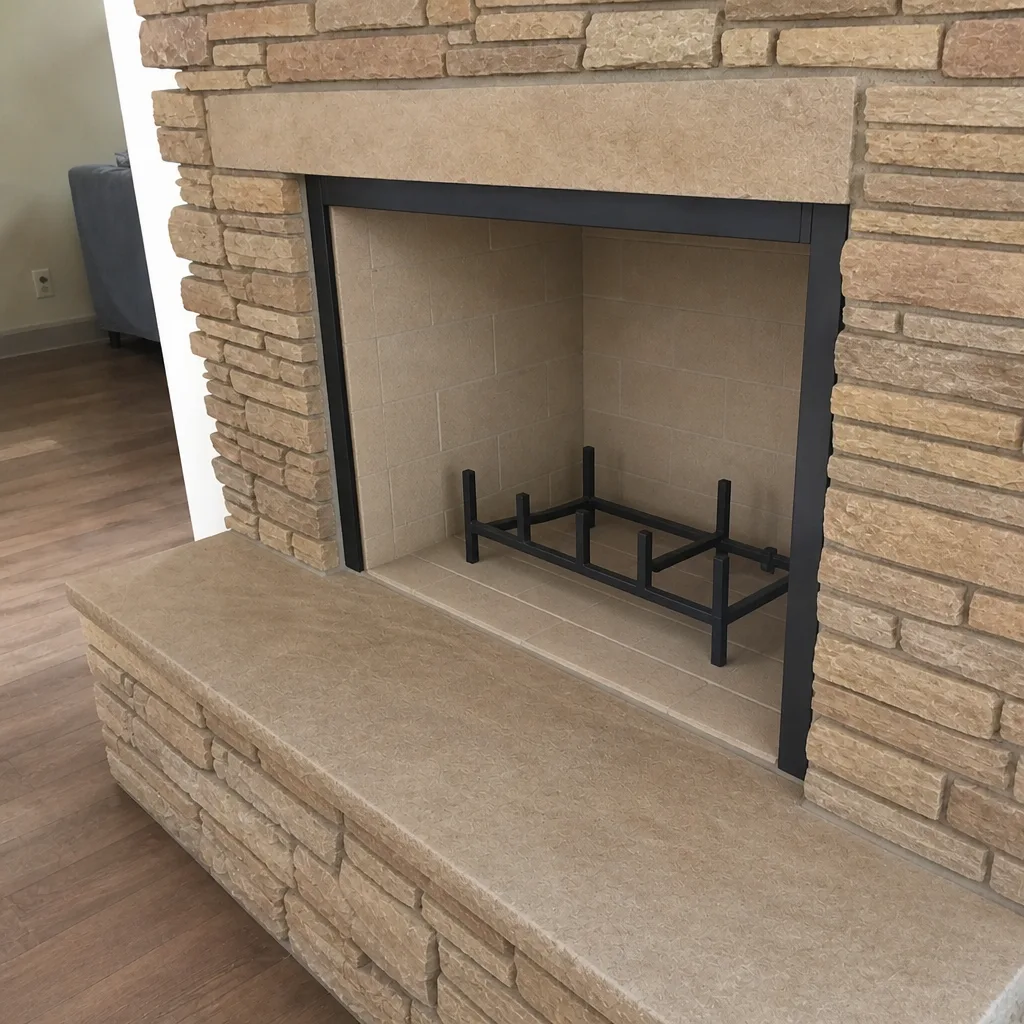
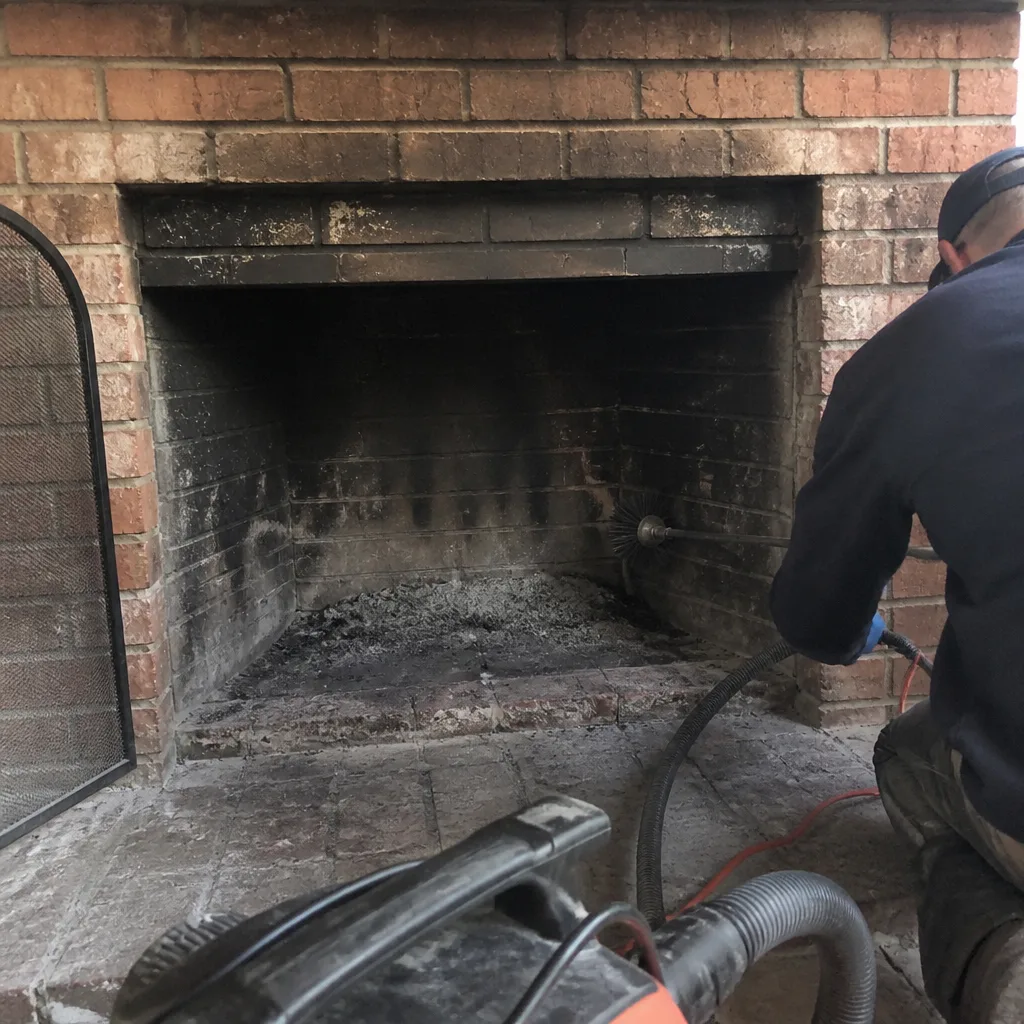
See the difference
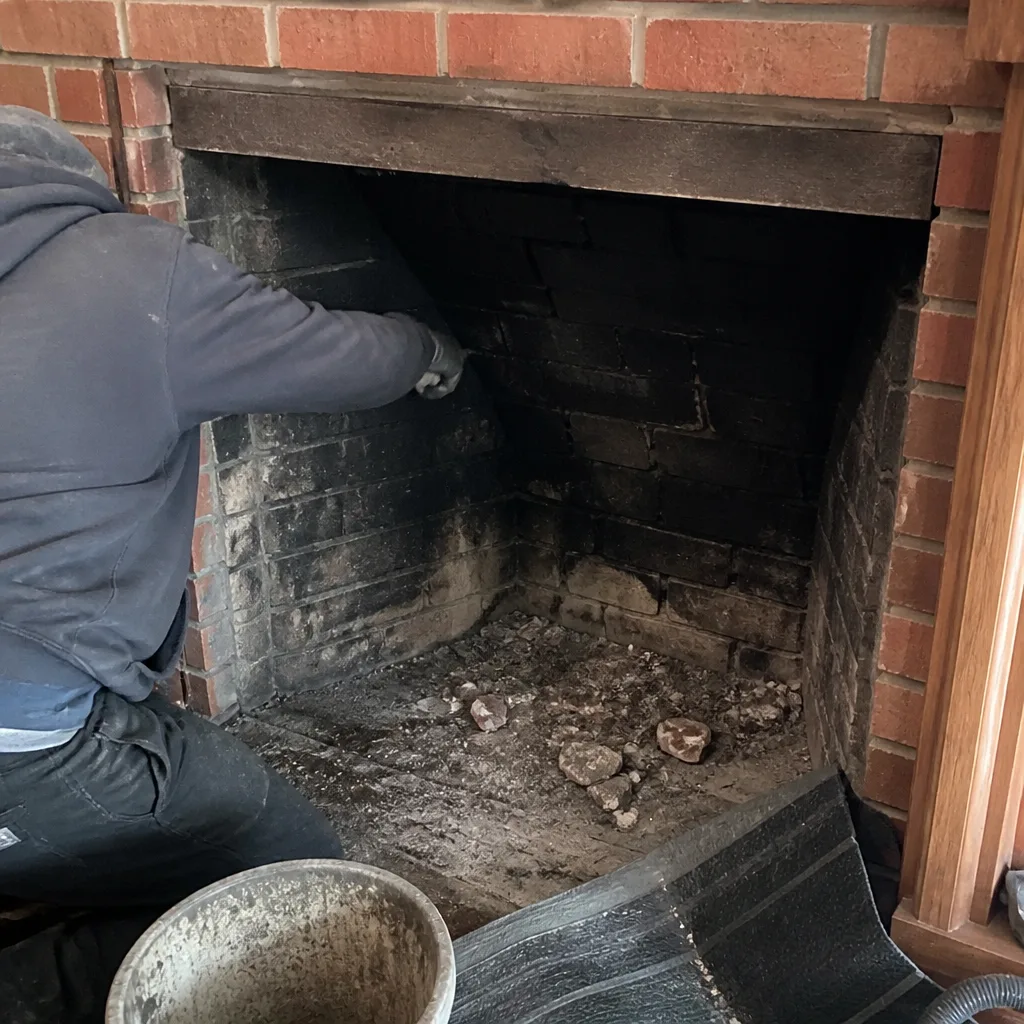 Before
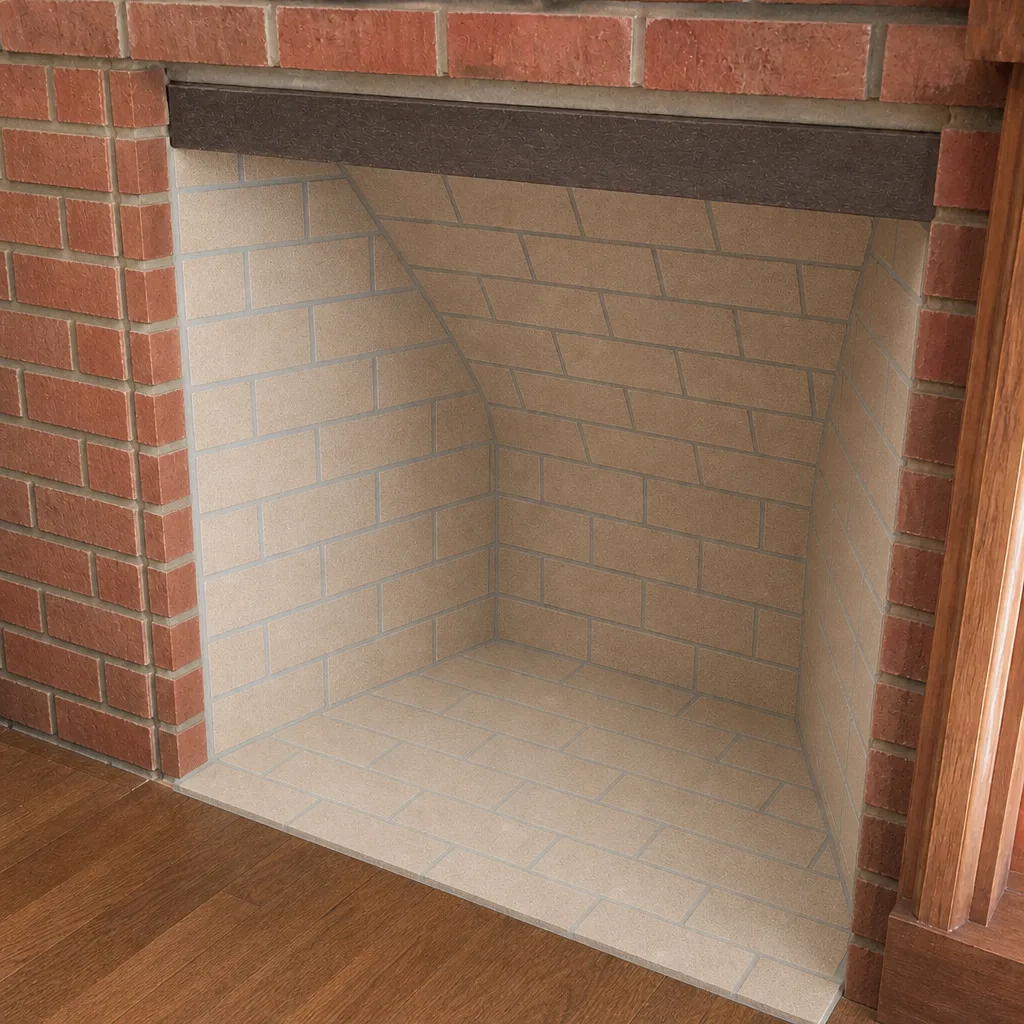 After
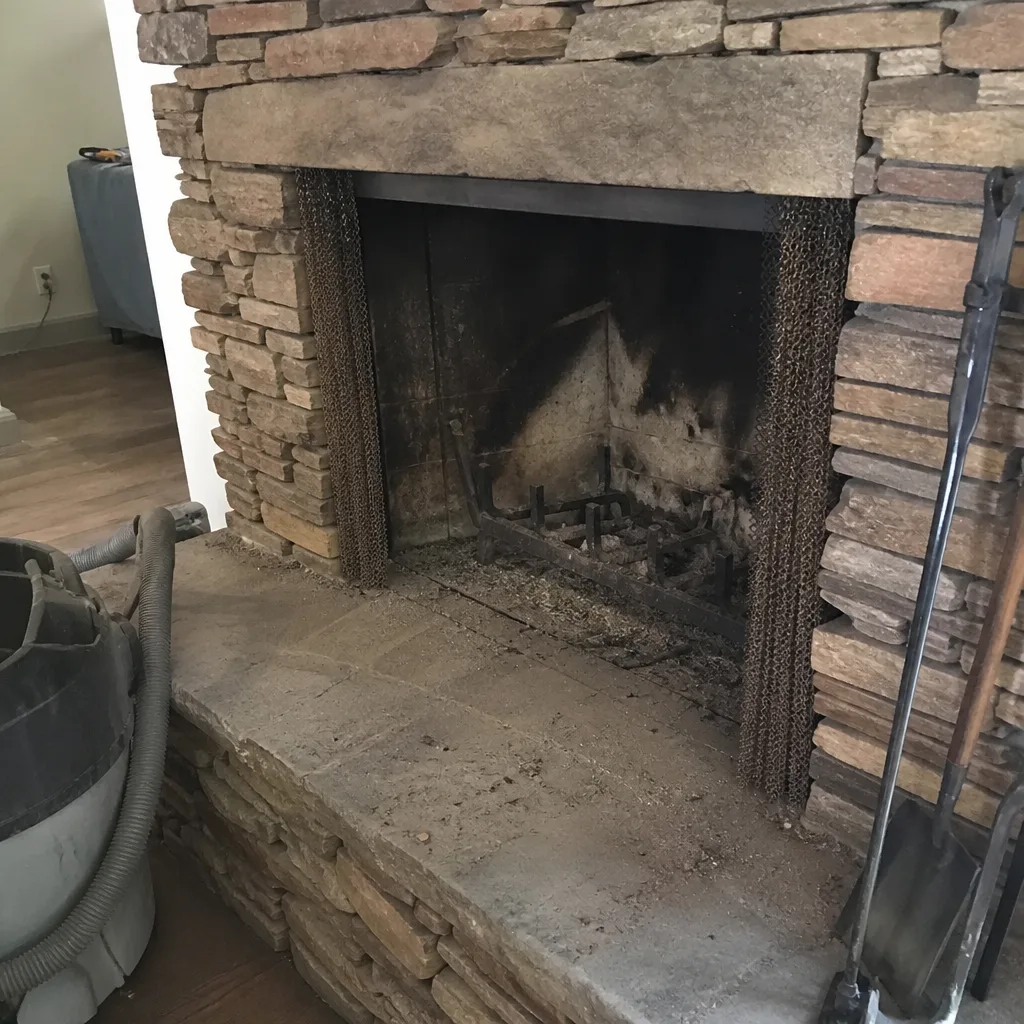 Before
 After
 Before
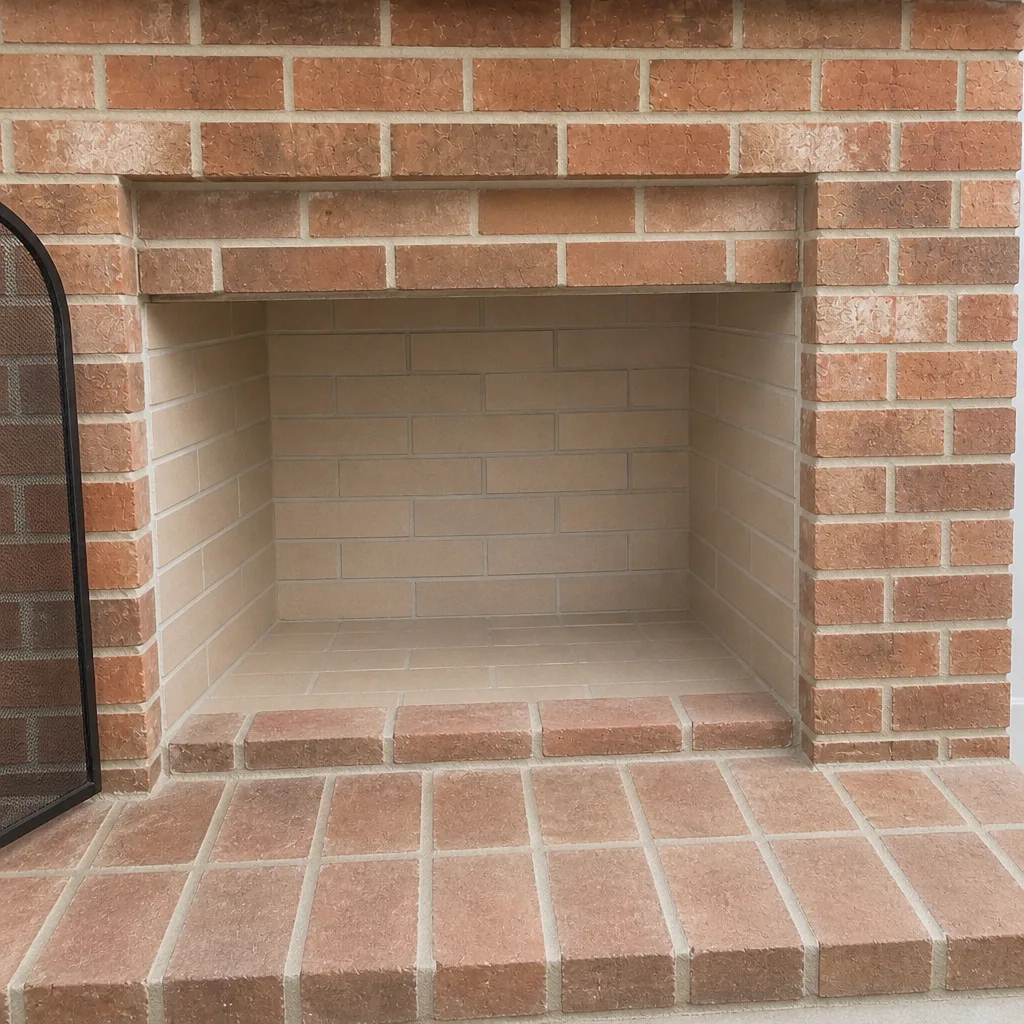 After
When to Call a Professional
Call a professional when the work involves anything beyond what you can verify safely from the ground: a flue that needs brushing, a crown that may be cracked, a liner that may need resurfacing or replacement, a firebox that needs repair, or a cap that’s come loose. These are not homeowner projects, not because they’re mysterious, but because the consequences of doing them wrong are expensive and sometimes dangerous. Creosote buildup and blocked flues are a genuine safety risk. Cracked liners can let combustion gases into the home. Those are good reasons to have a trained technician on the job, and good reasons not to guess.
Chimney Sweep Meadow Hills offers free estimates in Meadow Hills. Call (855) 658-4120 to book. When you call, we’ll book a visit at a time that works, and the estimate is written out before any work begins, so the price you agree to is the price you pay. If we open the inspection and the work can safely wait, we tell you that plainly, with photos to back it up. No pressure, no scare-sell. Chimney Sweep Meadow Hills connects you with a vetted local professional who is licensed and insured as the state requires, and every recommendation belongs to that professional’s standards.
Frequently Asked Questions
Professional sweeps use brands engineered for the chimney trade, not hardware-store equivalents. The names you’ll hear include HeatShield, Gelco, DuraFlex, Olympia Chimney, Famco, and Copperfield, each with a specific role: HeatShield for liner resurfacing, Gelco for crown coatings, DuraFlex and Olympia Chimney for flexible liner systems, Famco and Copperfield for related repair materials. A professional will be able to tell you which brand they use for each part of the job. Call (855) 658-4120 for an exact quote on a Meadow Hills chimney – estimates are free.
Yes, for a chimney in this climate. Standard retail sealers trap moisture inside the masonry, and trapping moisture accelerates spalling through freeze-thaw cycles. A professional-grade vapor-permeable sealer lets the brick breathe while still slowing water absorption. The professional product costs more and it’s the one that protects the chimney. Call (855) 658-4120 to book an inspection and find out what your masonry needs.
HeatShield is a cast-in-place liner resurfacing system; it restores the interior of an existing flue. DuraFlex is a flexible stainless liner system; it’s a new liner installed inside the flue. Which one is right depends on the condition of the existing flue and the appliance it serves, and the answer comes from a camera inspection, not a phone guess. Call (855) 658-4120 for an exact quote in Meadow Hills – estimates are free.
They don’t remove existing creosote. Retail cleaning additives are maintenance products with limited effect, and they’re no substitute for a professional sweep when a flue has real buildup. Professional creosote modifiers are a different category: they chemically soften Stage 2 creosote so it can be brushed off during the sweep, and they’re applied by a trained technician based on inspection findings. Call (855) 658-4120 to book a sweep and see what your flue actually needs.
You ask for the camera evidence, and you look at it before any work begins. A recommendation without a photo is a guess. A recommendation with a photo you can see is verifiable, and if the photo shows the chimney is fine, the honest answer is that no repair is needed right now. If the work can safely wait, a straightforward technician will tell you so. Call (855) 658-4120 for a Meadow Hills inspection with photos included.
Because the climate is hard on masonry and the appliance produces high buildup. A liner that’s under-specified for the temperature swings can fail prematurely, and a sealant that isn’t vapor-permeable can do real damage here. Brand-standard products are the ones tested for this environment. If a contractor can’t tell you the brand and gauge they’re using, that’s the answer you need. Call (855) 658-4120 for a free estimate in Meadow Hills.
The Bottom Line
The products a chimney contractor uses are as important as their technique. Vapor-permeable sealants, flexible crown coatings, correctly gauged liner systems, and properly chosen creosote treatments determine whether your chimney lasts or needs repair again in a few years. Professional brands like HeatShield, Gelco, DuraFlex, Olympia Chimney, Famco, and Copperfield exist because they’re built around the specific ways chimneys fail, and the conditions in Meadow Hills make that distinction more important than it is in milder climates. Ask four direct questions. Demand camera evidence for any recommendation. Hire a company that can clean and repair the whole system, so you’re not handed off mid-project. That’s how a chimney gets treatment it won’t need to repeat.
Call (855) 658-4120 for a free estimate in Meadow Hills and we’ll show you exactly what your chimney needs, with photos included. If you’d rather start with the annual visit, you can book our chimney sweep and we’ll take the inspection from there. We answer 24/7. Fast dispatch from 7am to 7pm.
Written by the team at Chimney Sweep Meadow Hills.