
Last updated November 23, 2026
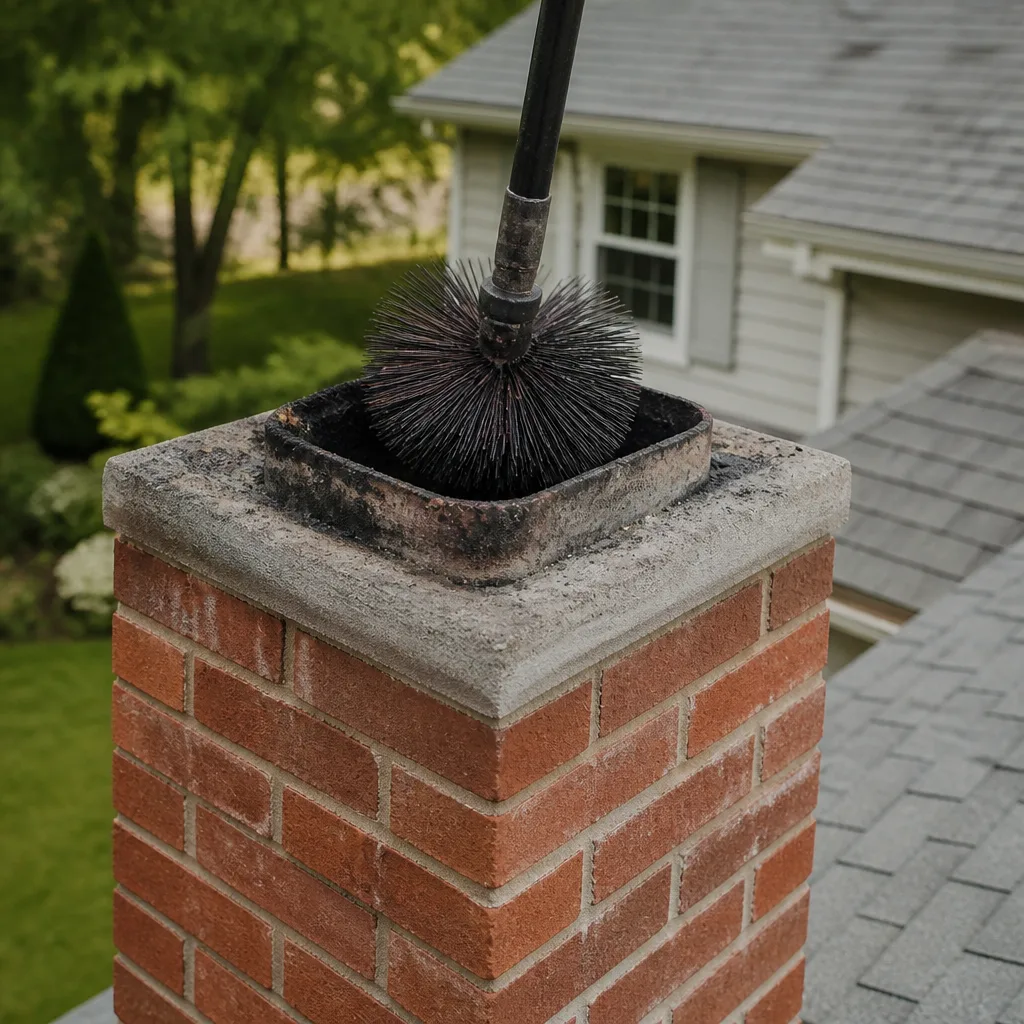 Sweep & inspection
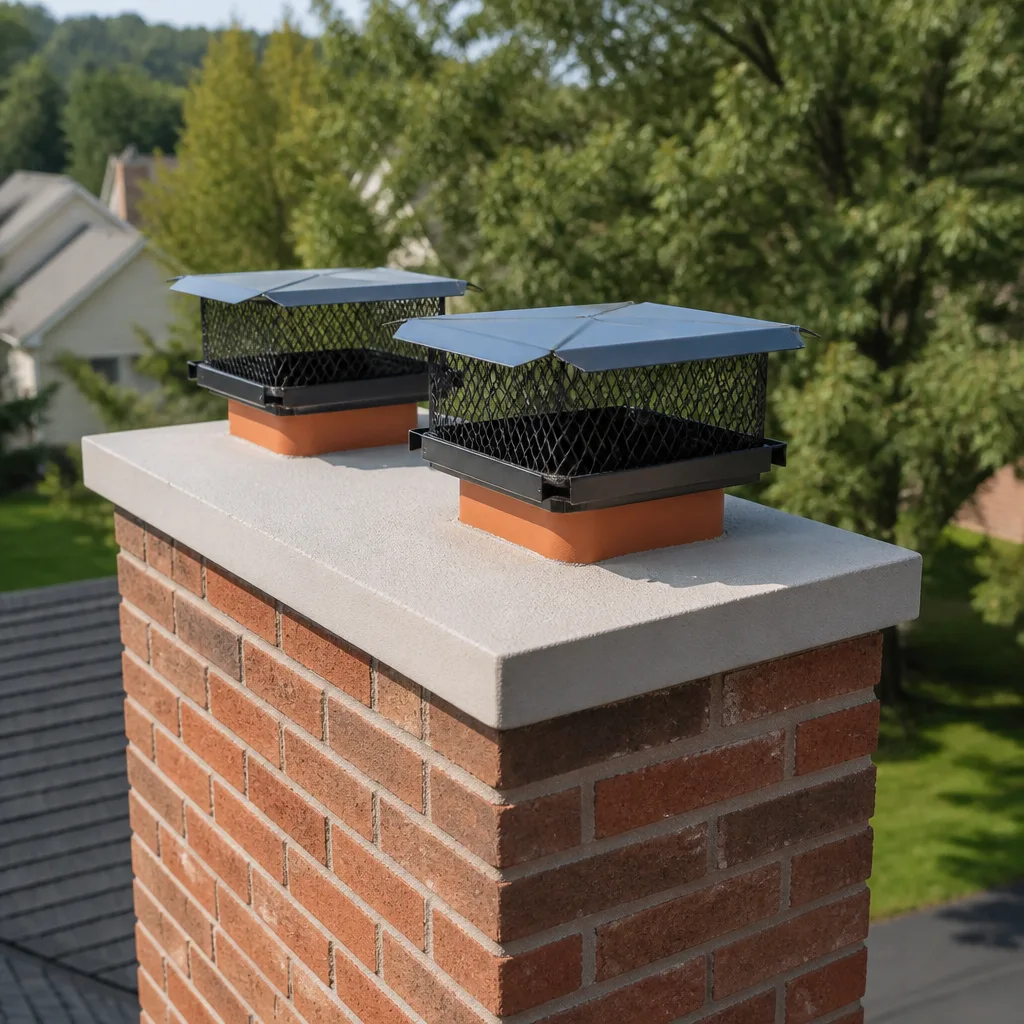 Caps & crowns
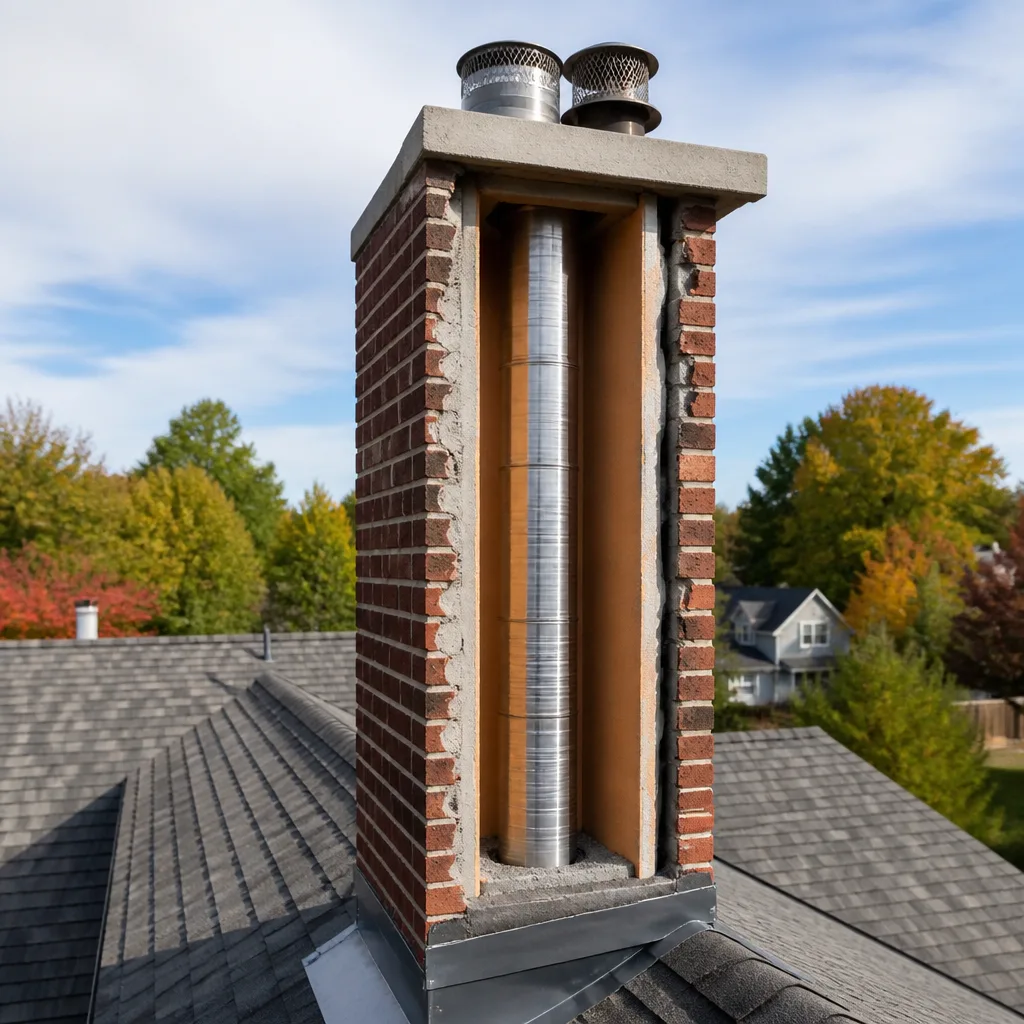 Flue relining
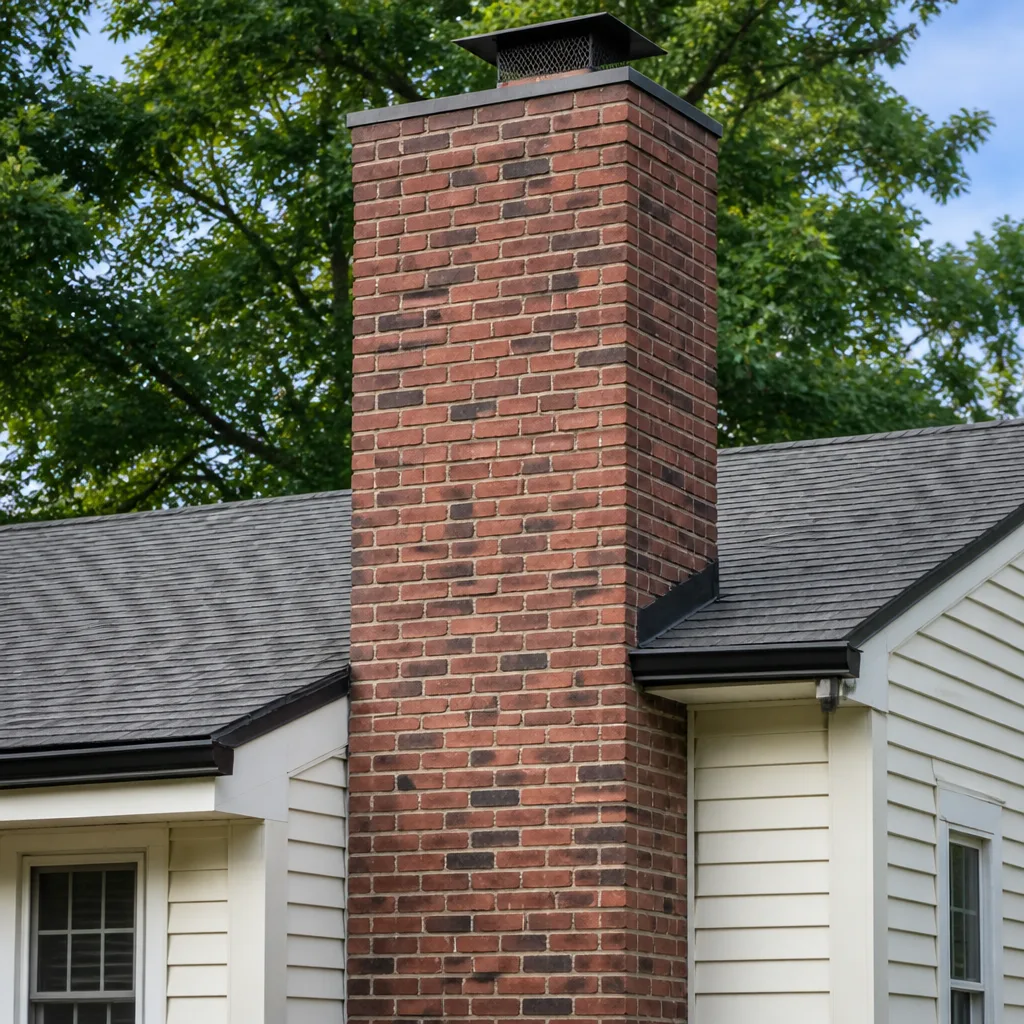 Masonry repair
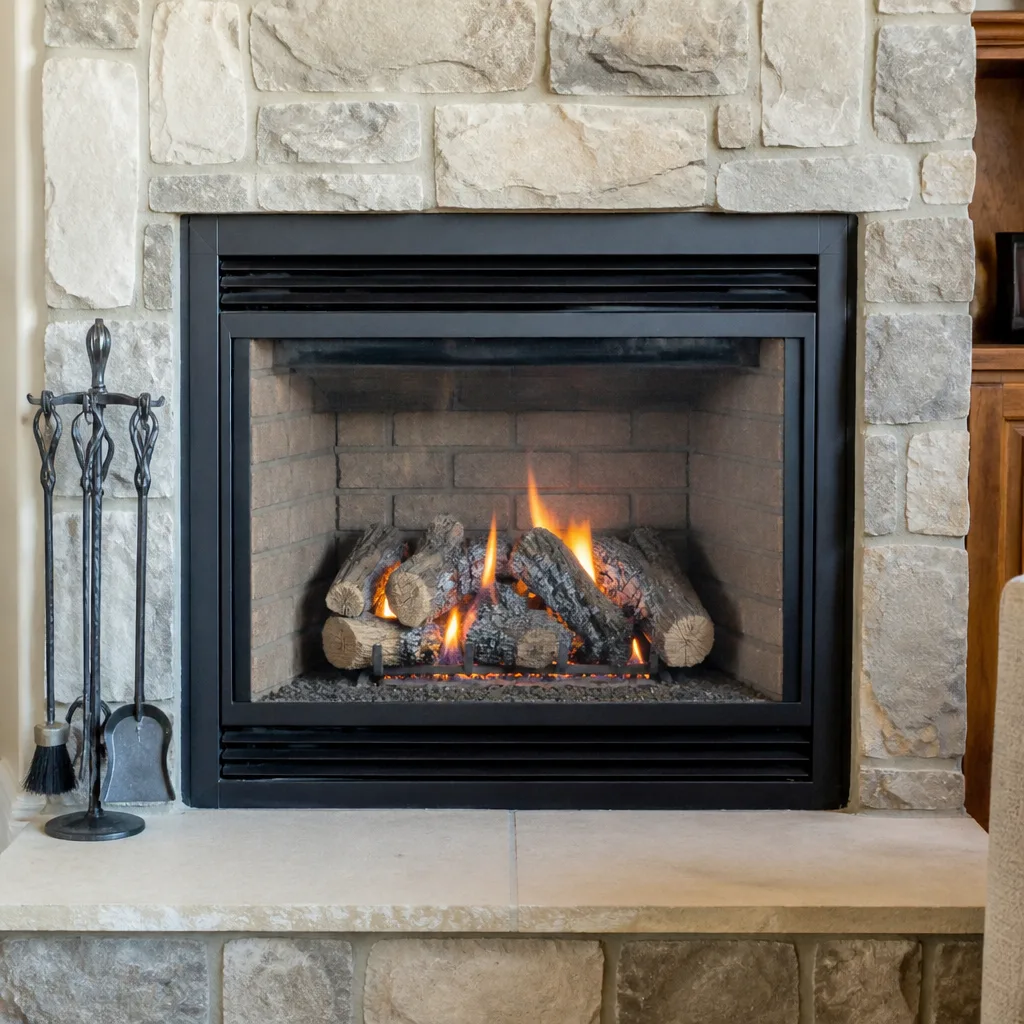 Gas fireplace service
Level 1 sweep and inspection to the NFPA 211 annual standard - flue, crown, cap, and flashing checked and photographed
Chimney sweep logs do not sweep chimneys. They loosen some creosote - which then falls where a brush and vacuum still have to collect it.
Chimney Cleaning Emergency Preparedness Guide for Meadow Hills Homes
Most homeowners believe they’ll know a chimney fire when they see one. In our experience, that’s the misconception that costs people the most. A fast chimney fire announces itself with a roar like a freight train, but a slow one can smolder inside the flue for hours, sending almost no smoke past the cap and quietly damaging the liner while the house feels perfectly normal. This guide is about the before, during, and after: the exact sequence of actions when a fire starts, what a carbon monoxide event actually looks like before the alarm sounds, and how to keep your system documented so responders and insurers know what they’re dealing with. Meadow Hills homes deserve that level of preparation.
Quick Answer
If you suspect a chimney fire, close the damper, get everyone out of the house, and call 911 from outside. Don’t open doors or the firebox to look, and never pour water down the flue. After any chimney fire, the chimney cannot be used again until a Level 3 inspection confirms the liner and structure are intact. The best preparation is an annual inspection and cleaning that documents your system before an emergency ever happens. Call (855) 658-4120 for a free estimate. We answer 24/7. Fast dispatch from 7am to 7pm, Sunday through Friday.
Styles & brands we work with
- Sweep & inspection
- Caps & crowns
- Flue relining
- Masonry repair
- Gas fireplace service
Table of Contents
- The Step-by-Step Response Protocol When a Chimney Fire Starts
- Slow Fires vs. Fast Fires: Why the Quiet One Is More Dangerous
- Carbon Monoxide Risk in Chimney Systems
- What Documentation to Keep on File
- Post-Event Protocol: Why a Surviving Chimney Still Can’t Be Used
- Pre-Season Preparation for Meadow Hills Homes
- What Emergency Responders Need From You
The Step-by-Step Response Protocol When a Chimney Fire Starts
When a chimney fire is detected, the correct sequence is short, and it matters that you follow it in order. Opening the firebox door or the damper to “check” feeds oxygen to a fire that’s already burning hotter than the fireplace was designed for. Every second spent investigating is a second the fire has to spread into the framing.
Here’s the protocol we want every Meadow Hills homeowner to know by heart:
- Close the damper if you can reach it safely. This cuts the air supply feeding the fire. If the damper handle is hot or the fire is already roaring, skip this step and get out.
- Get everyone out of the house. No stopping for belongings. No checking the attic. Leave the doors closed behind you to limit draft.
- Call 911 from outside. Tell the dispatcher it’s a chimney fire and give your address. Stay on the line.
- Wait for the fire department. Don’t re-enter to watch the flue. Don’t spray a garden hose at the roofline.
- Don’t use water inside the firebox or down the flue. A sudden temperature change can crack a clay liner or warp a metal one, and water hitting a hot firebox can send steam and debris back into the room.
The instinct to open a door to let smoke out is the one we hear about most. It does the opposite of what you intend: the extra oxygen can cause a flare, and the smoke you’re trying to clear is what’s alerting you to a problem you can’t see anyway. Closing the damper when it’s safe, exiting, and calling 911 is the whole response.
Slow Fires vs. Fast Fires: Why the Quiet One Is More Dangerous
A fast chimney fire is loud and obvious: a low roar, a vibration in the walls, smoke pouring from the cap, sometimes flames visible at the roofline. A slow chimney fire is the opposite. It burns at a lower temperature with restricted oxygen, produces very little visible smoke, and can run for hours inside a flue full of creosote without ever announcing itself.
The damage a slow fire does is often worse. Because it lingers, it has time to heat the masonry slowly and unevenly, which is how cracks form in the flue tiles and how mortar joints between them degrade. Those cracks are the path carbon monoxide takes into living space later. We’ve inspected chimneys in Meadow Hills where the firebox looked untouched and the liner above it was cracked through in several places from a fire the homeowner never knew happened.
Signs of a slow chimney fire you might have missed
- A puff of smoke or a burst of heat from the fireplace when you open the glass doors weeks after the fact
- Creosote that has turned into puffy, honeycombed, or flaky “popcorn” texture inside the flue
- Warped or discolored metal components, including the damper frame or spark screen
- Damaged or curled edges on the chimney cap
- A cracked or crazed appearance in the flue tiles visible during inspection
None of those signs are conclusive on their own, which is why a proper visual inspection matters. The lining has to be examined from the inside, not just from the firebox looking up. If you’ve burned a season’s worth of wood in a Meadow Hills home and you’re not certain what your flue looks like, a chimney inspection will tell you in under an hour.
Carbon Monoxide Risk in Chimney Systems
Carbon monoxide from a chimney doesn’t require a fire. It requires a flue that has stopped drafting properly. A partially blocked flue – from a bird nest, a collapsed liner section, a heavy creosote load, or a cracked tile – can push CO back into the living space long before you see any sign of a combustion problem. The gas is colorless and odorless, so the first indication is usually a CO alarm, a headache, or a family member feeling drowsy and nauseous for no clear reason.
What makes this specific to chimney systems is the timing. A flue that drafts fine on a mild day in October can fail to draft on a cold, still evening in January when the house is sealed up and the pressure balance in the home has shifted. Meadow Hills homeowners who burn wood as a primary or secondary heat source should have a CO alarm on every level of the home and outside every sleeping area. That’s not a substitute for an inspection, but it buys time when one is needed.
What a CO event looks like before the alarm triggers
- Headaches that clear when you leave the house and return when you come back
- Drowsiness, dizziness, or nausea in several family members at once
- Flames that look unusually lazy or orange rather than steady and blue-tipped
- Soot streaks around the firebox, the damper, or the top of the chimney
- A stuffy, stale smell in rooms that share the chimney wall
If the alarm sounds, get out and call 911. If you notice the symptoms above without an alarm, open a window, step outside, and call the fire department. Then have the chimney inspected before using the fireplace again. A blocked flue is the most common cause of chimney-related CO exposure, and a proper inspection finds it. Our chimney sweep service includes a flue check every time we’re on the roof for this reason.
What Documentation to Keep on File
After a chimney event, the difference between a smooth insurance claim and a prolonged back-and-forth often comes down to what’s on paper before the event. Responders and adjusters both work from records. If you can hand them the last inspection report and the liner installation paperwork, they know what they’re looking at and can make decisions faster.
Keep the following in a folder, either physical or digital:
- Your most recent chimney inspection report. It should include the date, the technician’s findings, and the condition of the liner, cap, crown, and firebox.
- Liner installation records. If the flue has been relined, the paperwork should show the type of liner – including professional-grade systems like DuraFlex flexible liners – and when it was installed.
- Appliance clearance information. If your fireplace insert, stove, or flue connector has specific clearance requirements, keep the manufacturer’s documentation. Responders may need to know this to work safely.
- Any photographs of the chimney interior taken during inspection. Camera images are the most useful evidence an adjuster can see.
- Receipts for any repairs, cap replacements, or crown work. These establish the state of the system at the time of a claim.
If you haven’t had a recent inspection, this list is exactly what one provides. Our Chimney Sweep Meadow Hills service documents the system so that the record exists before you need it. It matters more in an emergency than most homeowners realize.
Post-Event Protocol: Why a Surviving Chimney Still Can’t Be Used
A chimney that “looked fine” after a fire has not been cleared for use. It has survived. The difference matters. A chimney fire can crack the liner, loosen the mortar joints between flue tiles, distort a damper frame, and compromise the crown – all without visible damage from the outside. Using that chimney again before it’s been properly inspected is how a cracked liner turns into a CO exposure or a second, larger fire.
The proper response after any chimney fire, even one that burned out on its own, is a Level 3 inspection. That’s the most thorough of the three inspection levels because it includes examining concealed areas of the chimney structure. It’s also the inspection that many general sweep services can’t perform.
- Don’t use the fireplace or stove until the inspection is complete. That includes lighting a small fire “just to check.”
- Get a Level 3 inspection. This looks at the liner, the flue tiles, the smoke chamber, the damper, the crown, and the exterior structure, including areas not normally visible.
- Review the findings with the inspector. Any cracks in the liner, damaged tile joints, or compromised components should be documented and explained.
- Address any structural issues before returning the chimney to service. Depending on the findings, this may mean relining, resurfacing with a system like HeatShield, or repairing the crown or cap.
The good news is that our five-service scope means the same specialist who inspected your chimney is equipped to repair it. We work with professional-grade materials from brands including Olympia Chimney and Copperfield, so the fix isn’t a stopgap. It’s a repair that’s expected to last.
Pre-Season Preparation for Meadow Hills Homes
Emergency preparedness starts months before a fire ever happens. Meadow Hills sits at elevation, and the burn season here runs long. The first hard frost typically arrives well before winter, and homeowners start building fires earlier than they expect. That means the window between “I’ll get the chimney looked at” and the first fire in the fireplace is shorter than it is in lower-elevation parts of Colorado.
Here’s what we recommend doing before the season starts:
- Schedule a chimney inspection and sweep. An annual inspection catches creosote buildup, partial blockages, and early liner damage while they’re still cheap to fix. If you can’t remember the last time your flue was looked at, that’s your answer.
- Test every CO alarm in the house. Replace the batteries at the same time you change your smoke alarm batteries, and make sure there’s a CO alarm on every level and outside each sleeping area.
- Check the cap and crown. A missing or damaged cap lets water, birds, and debris into the flue. A cracked crown lets water into the masonry, which is one of the most common reasons chimneys fail early. Our chimney cap & crown service handles both.
- Have the firebox and damper looked at. If the damper doesn’t close properly or the firebox has cracked brick or loose mortar, that’s a fireplace issue that should be settled before the season starts. Our fireplace repair service covers it.
- Store dry wood under cover. Wet wood burns cooler and produces more creosote. That’s not a Meadow Hills-specific issue, but the long, cold season here makes it a real one.
- Keep the documentation folder current. Add the new inspection report and any repair receipts as they happen.
A chimney that’s been swept, inspected, and documented is a chimney you can run all season without worrying about the thing you can’t see. That’s the whole point of preparation.
What Emergency Responders Need From You
When firefighters arrive at a chimney fire, they need information fast. The more you can give them at the door, the faster they can work safely and the less damage the response itself causes. This is one of those things almost nobody thinks about until it’s happening.
Have these answers ready, in your head or in your documentation folder:
- Is the chimney wood-burning, gas, or a wood stove? The response differs by appliance type.
- When was it last inspected or cleaned? “I don’t know” is common and it’s not helpful to the crew.
- Has the liner ever been replaced or resurfaced? Liner type affects how the crew handles the flue.
- Is there a wood stove insert or fireplace insert? Insert clearances and flue configurations matter.
- Where are the gas and electrical shutoffs? Standard safety information, but worth knowing.
You don’t need to memorize any of this. You need it on file. That’s why we tell every Meadow Hills homeowner we work with to keep their last inspection report where they can put their hands on it. In a chimney fire, “I have the paperwork” is a sentence firefighters are glad to hear.
Common Mistakes to Avoid
- Opening the firebox door or the damper to investigate a roaring fire. The extra oxygen can cause the fire to flare, and the smoke won’t clear the way you expect. Close the damper if you can do it safely, then get out.
- Assuming a quiet chimney is a safe chimney. The slow fires are the ones that do structural damage quietly. If you’ve never had the flue inspected, schedule one before the season starts.
- Pouring water down the flue or spraying the roofline. The thermal shock can crack a liner and the steam can push fire back into the room. Let the fire department handle it.
- Using the fireplace again after a fire without a Level 3 inspection. “It looks fine” is not a clearance. A cracked liner hidden behind masonry is exactly the kind of damage you can’t see from the firebox.
- Relying on the smoke alarm and skipping the CO alarm. A chimney CO event doesn’t produce smoke first. CO alarms are the only warning you’ll get before symptoms start, and the symptoms are easy to dismiss.
- Letting the cap and crown go unmaintained. A cracked crown is one of the cheapest things to fix early and one of the most expensive to ignore. Water gets into the masonry and does its damage over years.
- Not keeping inspection records. When it’s time to file a claim or talk to responders, a dated inspection report is worth more than any verbal history of the chimney.
See the difference
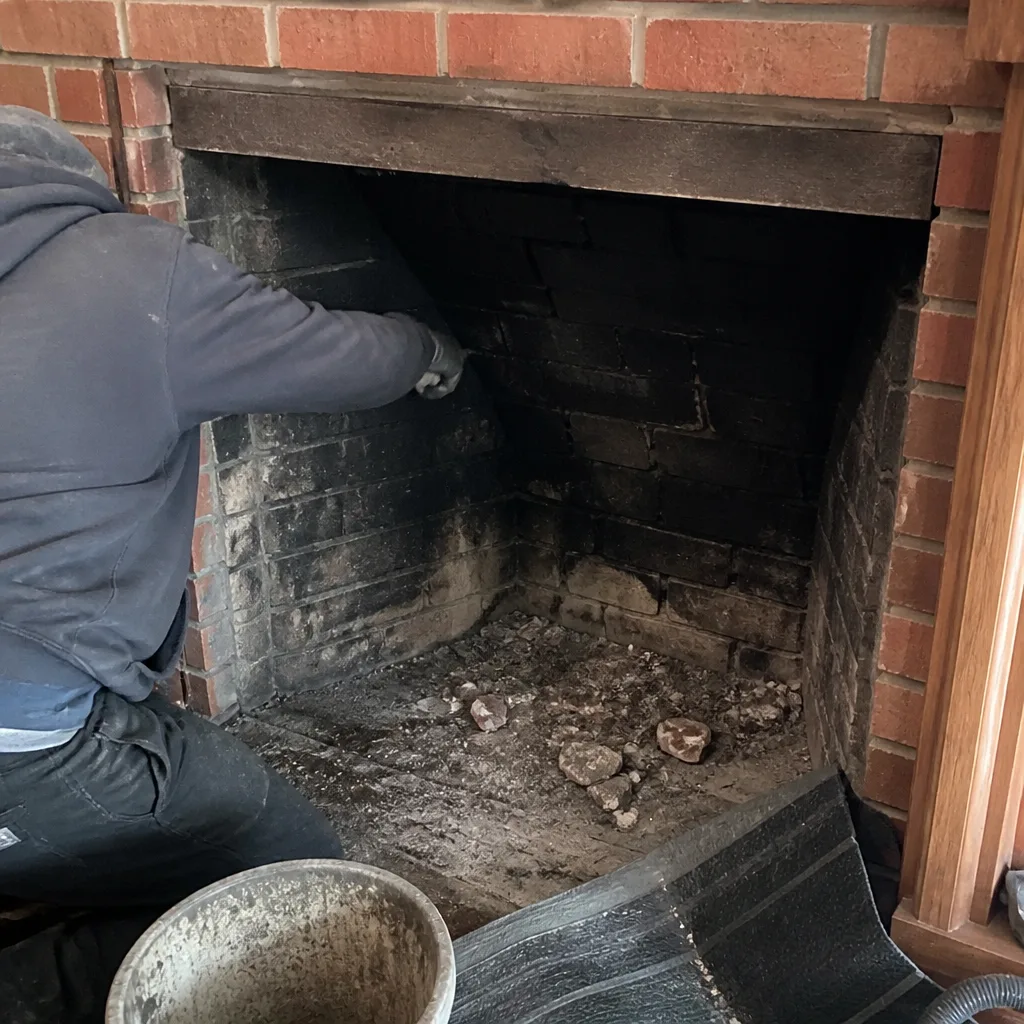 Before
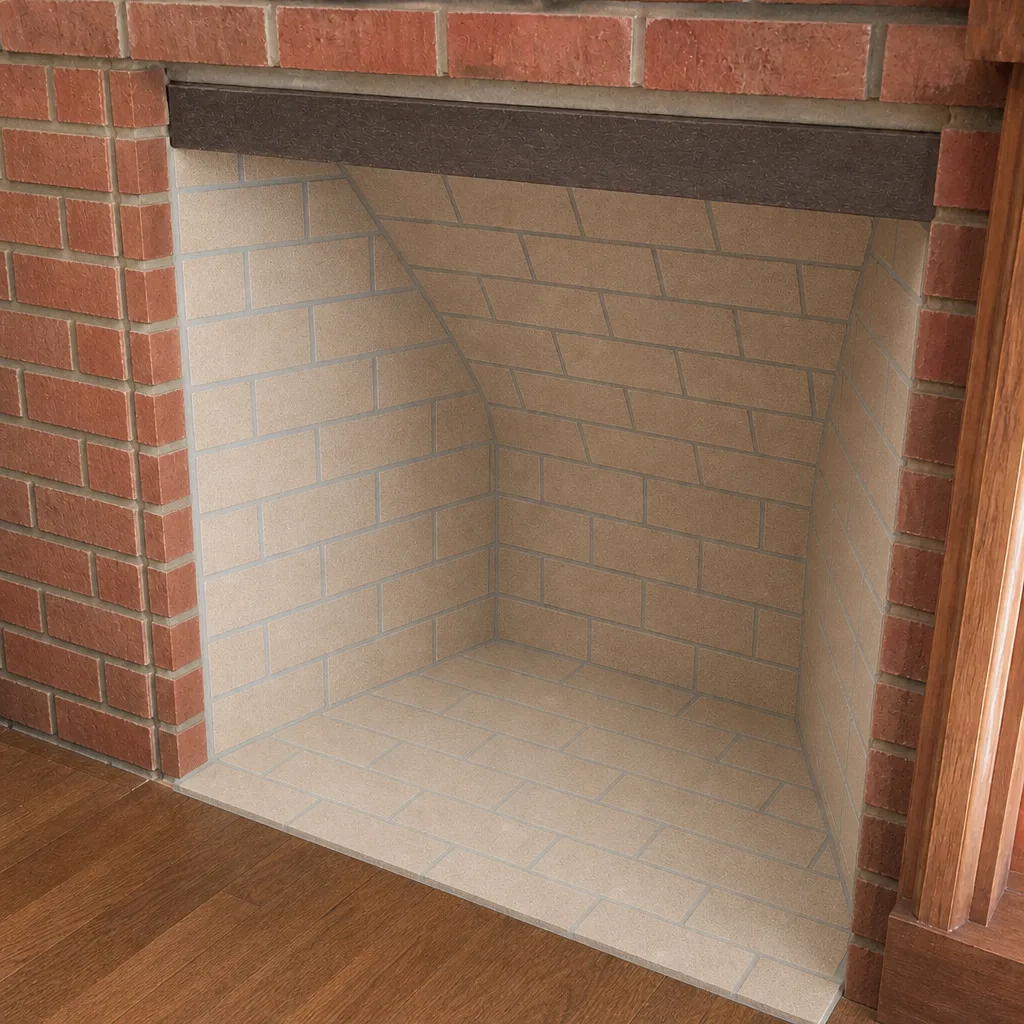 After
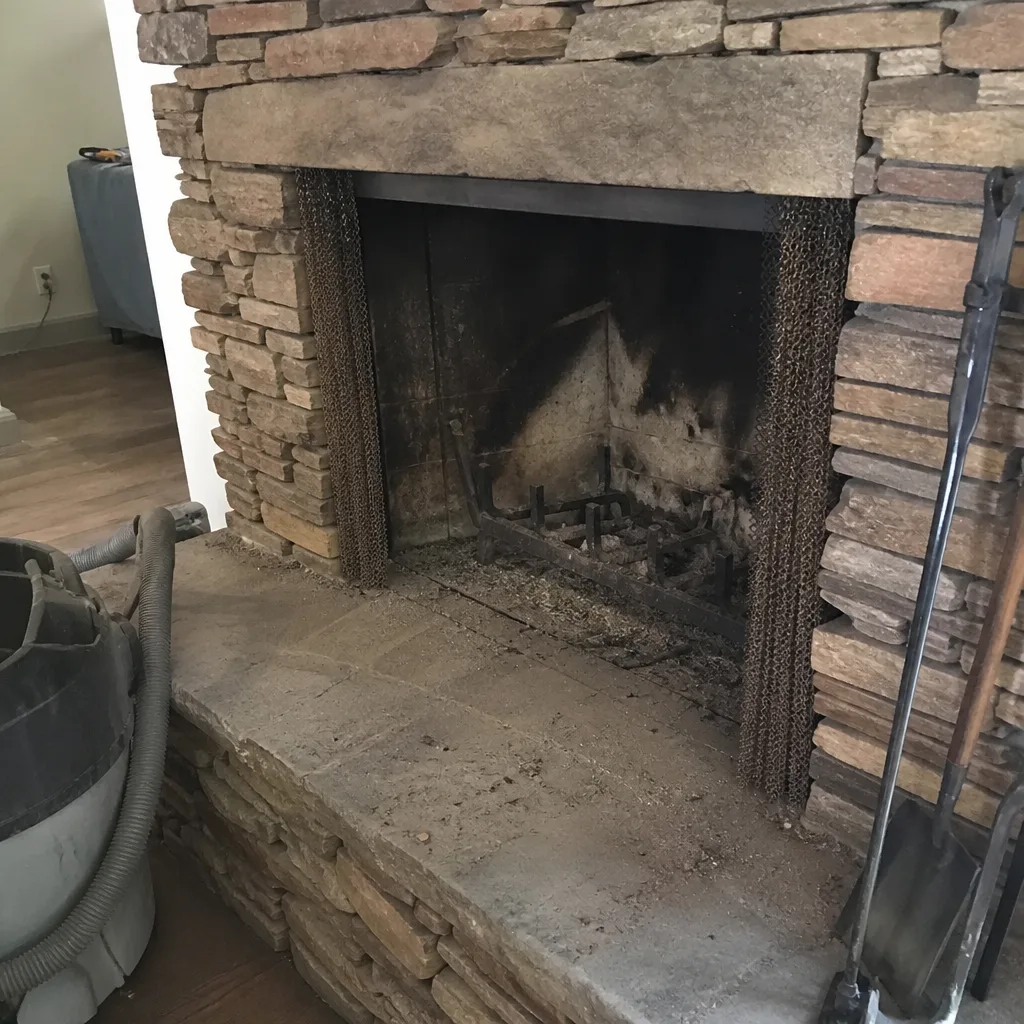 Before
 After
 Before
 After
When to Call a Professional
Some chimney issues can wait for the next scheduled visit. Others should be handled by a trained professional immediately, and here are the ones we want Meadow Hills homeowners to take seriously.
Call us if you’ve had a chimney fire, even a small one, or if a CO alarm has gone off. Call if you notice soot streaks around the firebox or damper, cracked or missing flue tiles, a cap that’s loose or missing, or a crown that’s cracked. Call if your fireplace doesn’t draft properly – smoke spilling into the room is a warning, not a nuisance. Call if the firebox has loose brick or compromised mortar. And call if you can’t remember the last time the chimney was inspected. Our technicians have up to 10 years of experience and work across the full system from the firebox to the cap.
Chimney Sweep Meadow Hills offers free estimates in Meadow Hills. Call (855) 658-4120. We answer 24/7. Fast dispatch from 7am to 7pm, Sunday through Friday.
Frequently Asked Questions
Close the damper if you can safely reach it, get everyone out of the house, and call 911 from outside. Don’t open doors or the firebox to look, and don’t put water down the flue. Wait for the fire department to clear the scene before going back in. After the fire is out, the chimney needs a Level 3 inspection before it can be used again. Call (855) 658-4120 after the emergency to schedule that inspection.
You often can’t know without an inspection. Signs include puffy or honeycombed creosote, warped metal components like the damper frame, damaged flue tiles, and a cap that’s curled or discolored at the edges. A slow fire can burn for hours and cause significant structural damage with little visible smoke. If you suspect one, have the chimney inspected before burning again. Our camera inspection finds the damage you can’t see from the firebox.
Because “looks undamaged” from the firebox or the roofline doesn’t tell you anything about the flue tiles or the liner behind them. A chimney fire can crack a liner or open mortar joints between tiles without any visible sign. Using the chimney again before a Level 3 inspection is how a CO exposure happens. Structural damage is common even after what looked like a small fire. Call (855) 658-4120 for a free estimate on that inspection.
A partially or fully blocked flue is the most common cause. That can come from a bird or animal nest, a collapsed liner section, heavy creosote, or a draft failure that happens when the house is sealed tight on a cold, still night. CO is colorless and odorless, so the alarm and the early symptoms are your only warning. Keep a CO alarm on every level and outside every sleeping area, and have the flue inspected annually. Call (855) 658-4120 to book a chimney inspection.
Keep your most recent inspection report, any liner installation or resurfacing records, appliance clearance documentation, and receipts for any cap, crown, or structural repairs. Photographs of the chimney interior taken during inspection are especially useful because they show an adjuster what the flue actually looked like before an event. If you don’t have that file yet, a chimney inspection is how you build it. Call (855) 658-4120 for a free estimate.
Annually is the standard, and it’s the right interval for most Meadow Hills homes with wood-burning fireplaces or stoves. The long burn season here means creosote accumulates faster than in milder climates, so the annual visit does real work. If you burn wood as a primary heat source, or if you’ve had a chimney fire, an inspection sooner than the annual cycle makes sense. Call (855) 658-4120 to schedule yours.
The Bottom Line
Chimney fire preparedness comes down to three things: knowing the response sequence cold, understanding that the slow fire is the dangerous one, and having your system documented before you need the documents. Close the damper if you can, get out, call 911, and don’t return the chimney to service until a Level 3 inspection has cleared it. The rest of the work happens in the quiet months: annual inspection, a working CO alarm on every level, a maintained cap and crown, and a folder of records that follows the chimney’s history. A chimney is a system – firebox to cap – and preparing for the worst means knowing the whole system well enough to act when it matters.
Chimney Sweep Meadow Hills offers free estimates in Meadow Hills. Our technicians have up to 10 years of experience, we work with professional-grade brands including Gelco, Famco, and DuraFlex, and the same specialist who sweeps your chimney is qualified to repair it. If you’re not sure where your system stands, call (855) 658-4120 for a free estimate. We answer 24/7. Fast dispatch from 7am to 7pm, Sunday through Friday.
Written by the team at Chimney Sweep Meadow Hills.