
Last updated November 23, 2026
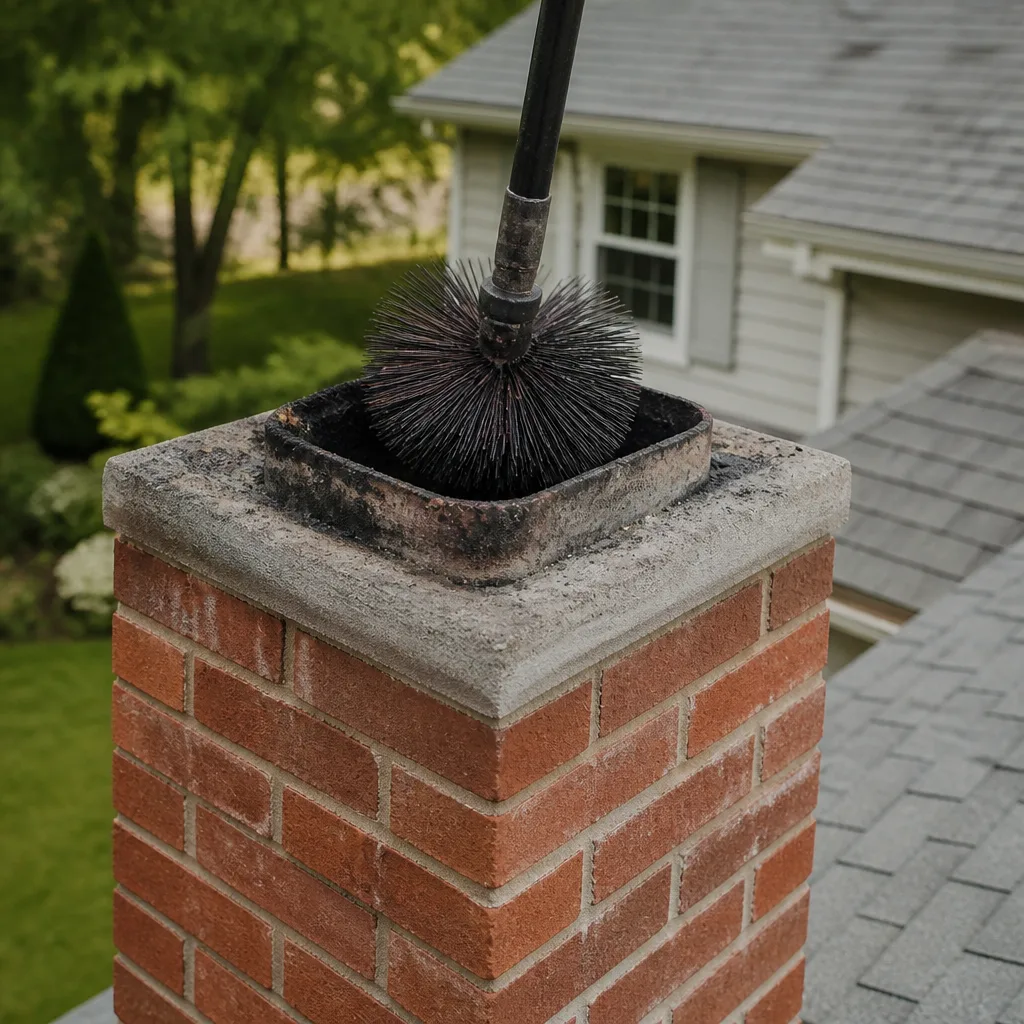 Sweep & inspection
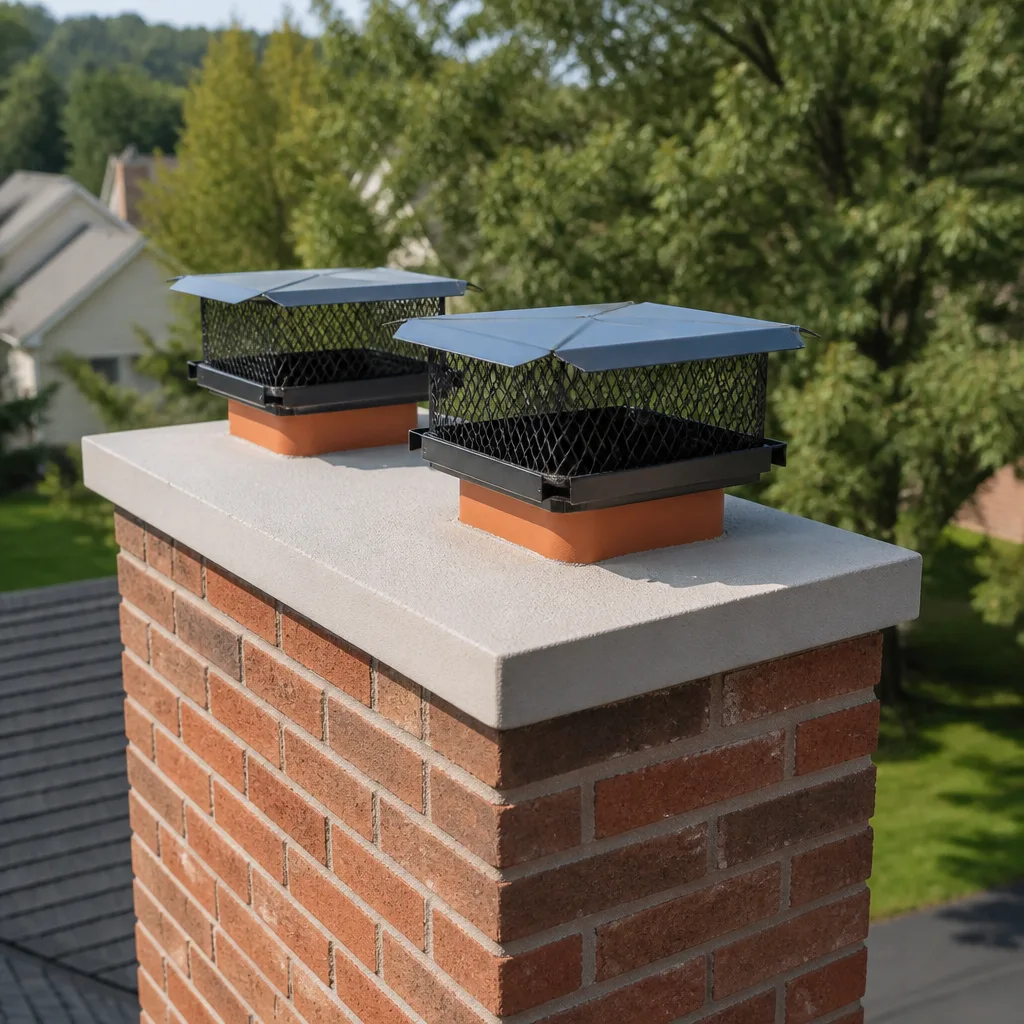 Caps & crowns
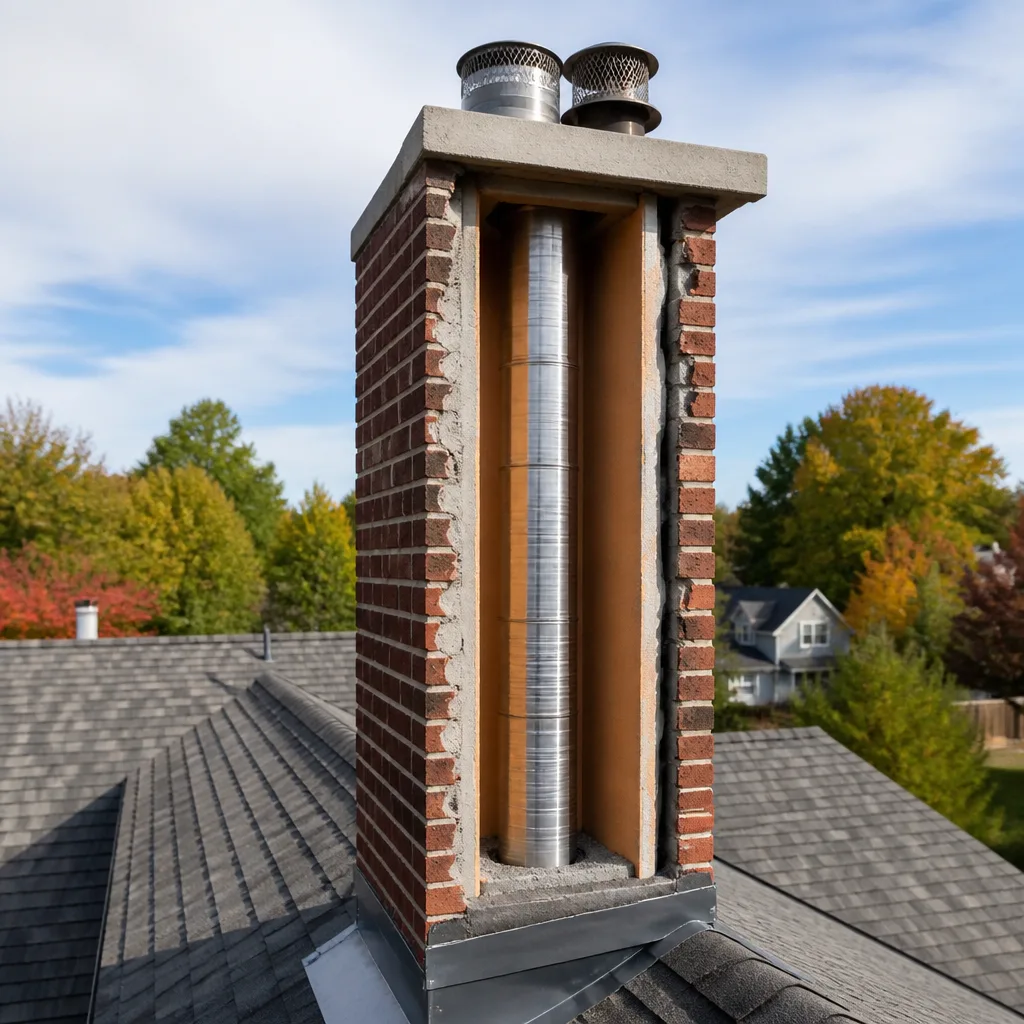 Flue relining
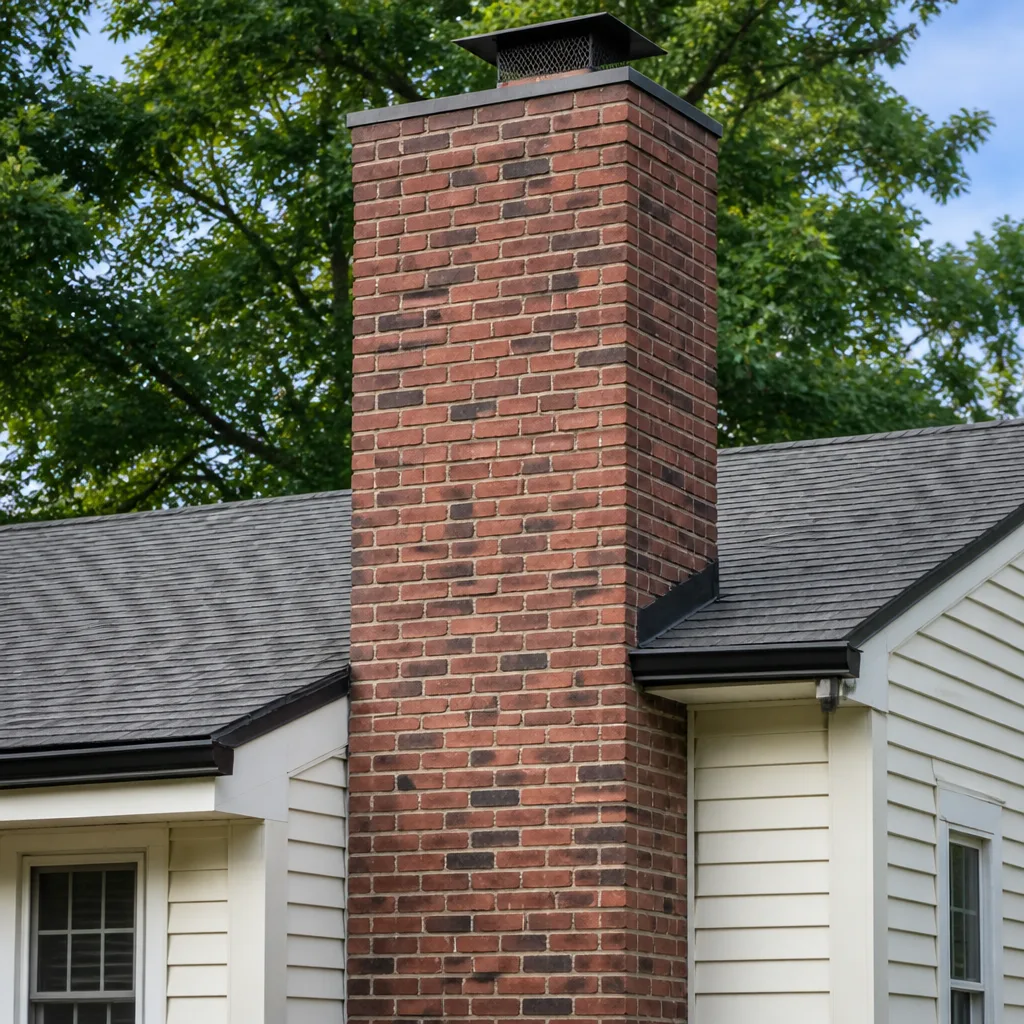 Masonry repair
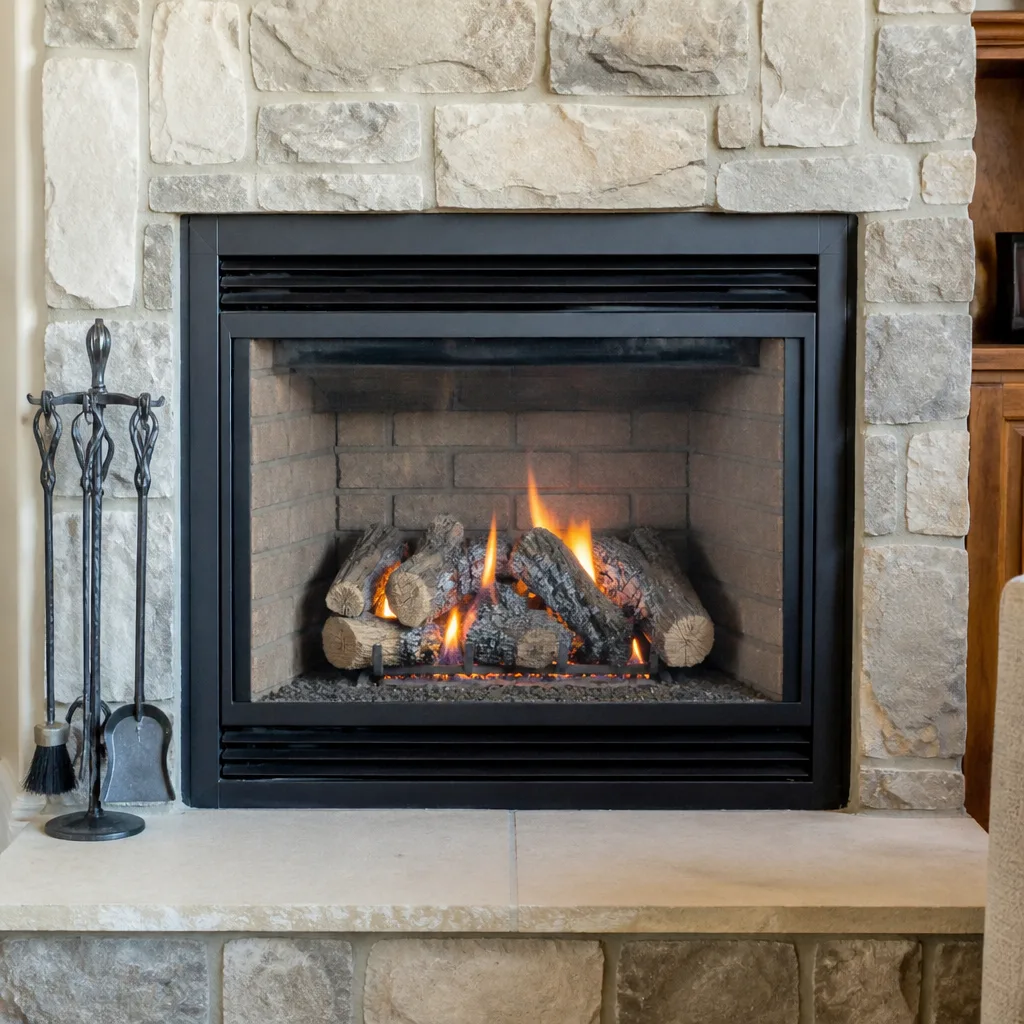 Gas fireplace service
Level 1 sweep and inspection to the NFPA 211 annual standard - flue, crown, cap, and flashing checked and photographed
Chimney sweep logs do not sweep chimneys. They loosen some creosote - which then falls where a brush and vacuum still have to collect it.
Chimney Cleaning Permits, Codes & Inspections in Meadow Hills, CO: What You Need to Know
Here’s the part most homeowners get backwards: a routine chimney cleaning almost never needs a permit, but the very next thing that happens on many older flues does. The moment a sweep crosses from cleaning into relining, firebox rebuilds, or swapping a wood stove, Colorado’s residential code and your local building department are involved, and the paperwork trail matters years later when you sell. This guide draws the line clearly. You’ll learn which services stay permit-exempt, which ones trigger a mechanical or building permit, what a code-compliant Level 2 inspection report has to document, and why the permit folder in a Meadow Hills home is worth more than most owners realize.
Quick Answer
A standard chimney sweep in Meadow Hills, CO does not require a permit, because cleaning is maintenance, not construction. Structural work does: liner replacement, firebox or damper repairs that alter the flue, appliance installation or replacement, and any change to the chimney’s exterior structure typically require a permit through your local building department and must follow the chimney provisions of the International Residential Code (IRC) as adopted by Colorado. A Level 2 inspection documents the condition of the system but is not itself a permit.
Styles & brands we work with
- Sweep & inspection
- Caps & crowns
- Flue relining
- Masonry repair
- Gas fireplace service
Table of Contents
- Which chimney services need a permit in Colorado, and which don’t
- How Meadow Hills and Jefferson County enforcement meets state code
- What a code-compliant Level 2 inspection report must document
- The IRC sections that govern flue size, liner clearance, and caps
- How permitting protects you on a fire-related insurance claim
- What missing permits do at resale and closing
- Inspection versus sweep: two different jobs
Which chimney services need a permit in Colorado, and which don’t
The clearest way to sort this out is to ask one question: does the work change the chimney system, or does it only clean or inspect it? Cleaning and inspecting don’t alter the structure, and Colorado doesn’t typically require permits for maintenance. Anything that replaces a component, changes clearances, or installs a new appliance usually does.
Here’s how the five core chimney services typically fall:
- Chimney sweep and cleaning: no permit. Removing creosote, soot, and obstructions is maintenance.
- Chimney inspection (Levels 1, 2, and 3): no permit. The inspection produces a report, not a structural change.
- Cap and crown installation or rebuild: often no permit when the work is a like-for-like replacement of a cap or a surface-level crown repair. A full crown rebuild that changes the masonry footprint or a new chase cover on a modified flue may require one. Confirm with your building department before the work starts.
- Fireplace repair: a crack in the firebox brick that gets repointed often needs no permit. A firebox rebuild, a damper replacement, or a firebox insert installation almost always does.
- Chimney repair involving relining or structural repair: permit required in most cases. A stainless liner install, a cast-in-place liner (like those made with HeatShield systems), a masonry rebuild, or a flue resize changes the system and needs to be documented by an inspector.
A resident of Meadow Hills will sometimes hear “you don’t need a permit for anything chimney-related.” That’s not accurate. The rule depends on the scope, and a repair that gets quietly done without a permit is the one that comes back to bite at resale. When in doubt, ask the building department. It costs nothing to ask, and it protects you on the back end.
How Meadow Hills and Jefferson County enforcement meets state code
Colorado doesn’t run its own statewide chimney inspection program. The state adopts the International Residential Code (and the chimney provisions within it) as its residential construction standard, and enforcement is then delegated to local building authorities. For a Meadow Hills home, that means your permit path runs through the local building department serving the area, and the code the permit is issued under is the IRC as adopted at the local level.
This overlap matters for three reasons:
- Adoption dates vary. Not every Colorado jurisdiction adopts the newest IRC edition the same year. A chimney tech working in Meadow Hills needs to know which code edition your jurisdiction is currently enforcing so the liner, clearances, and venting meet the version that actually applies.
- Inspection types vary. Some work is signed off by a building inspector, and some is verified by the licensed contractor who installs it. A liner replacement usually needs the former; a cap replacement usually doesn’t.
- Homeowner-installed work is limited. Colorado allows homeowners to pull permits for some work on their own primary residence, but chimney relining and appliance installation typically require a licensed contractor. The building department will tell you which categories apply locally.
In our experience across Meadow Hills, the friction usually shows up at the contractor stage, not the permit desk. A homeowner calls for a liner, a sweep says “no permit needed,” the liner goes in, and then the truth comes out at sale or at an insurance claim. One inspection tells you exactly what your chimney needs – and what it doesn’t – and the inspection report is the document that tells you whether you’re inside the permit-exempt zone or not. If you’re uncertain which side of the line your project falls on, the safest first call is for an inspection. Our team can start with Chimney Sweep Meadow Hills and get you a written verdict on the system before any repair is quoted.
What a code-compliant Level 2 inspection report must document
A Level 2 inspection is the report that matters most in a Colorado sale, refinance, or insurance claim. It’s required whenever the chimney system has changed (a new appliance, a reline, a change of fuel type) and whenever a property changes hands. What separates a real Level 2 report from a one-page form is whether it gives a third party – an appraiser, an insurance adjuster, a future buyer’s inspector – enough to verify the system without climbing onto your roof themselves.
A code-compliant Level 2 report typically documents:
- Accessible portions of the flue from the firebox through the top, with the method of access stated (camera, top-down, or from a cleanout) and any areas that couldn’t be reached.
- Flue liner condition, including joint gaps, spalling, cracks, and the presence or absence of a properly sized stainless or clay liner.
- Clearances to combustibles at the attic, roof penetration, and where the chimney passes through framing, with any measured gaps called out.
- Cap and crown condition, including whether the crown sheds water away from the flue and whether the cap is correctly sized and screened.
- Firebox and damper condition, with any visible cracks, gaps, or rusted-out metal written up as findings rather than left for a verbal conversation.
- Photos of every finding, so the reader can see what the inspector saw rather than take it on faith.
- A clear separation of urgent findings (things that affect safety now) from routine items (things to plan for later).
The photo requirement is what separates a report that holds up under a claim from a report that doesn’t. At Chimney Sweep Meadow Hills we put a camera inspection and photo report in writing so you can review the evidence yourself, back it up, and hand it to anyone who asks. If you’re being sold thousands of dollars of liner or masonry work without photos, treat that as a yellow flag. Ask to see what the inspector saw before you sign.
The IRC sections that govern flue size, liner clearance, and caps
The IRC’s chimney and venting chapter (Chapter 18 in recent editions, often numbered differently by edition) is the section stack that matters for a Colorado wood-burning system. Most of it isn’t glamorous, but it decides whether a liner install is code-compliant or not, and it’s what a building inspector will check. The chapters most often cited on a chimney permit in Meadow Hills are these three families:
- Flue sizing and appliance connection. The flue must be correctly sized for the appliance it serves. A flue that’s oversized for a wood stove loses draft and builds creosote faster; one that’s undersized on a heating appliance can vent improperly. Liner installers size the new flue to the appliance’s venting requirements, not to whatever fits, and the permit inspection verifies that sizing.
- Liner clearance and materials. A liner protects the flue and, equally, keeps heat and combustion products away from adjacent framing. The IRC specifies how a liner is listed, how it’s supported, and how its connection at the top of the flue terminates. A stainless liner assembled with professional-grade components from makers like Olympia Chimney or DuraFlex is built to a listing that the building inspector can verify; a hardware-store flex tube often isn’t.
- Cap and crown requirements. The chimney must terminate above the roof at a specified height (the familiar 3-foot-above-the-roof, 2-foot-above-anything-within-10-feet rule appears in most adopted editions), and it must be covered so rain, snow, and animals don’t enter the flue. That’s the code basis for a proper chimney cap & crown install, and it’s why a missing cap is both a code issue on a covered permit and a long-term water problem.
Along the front range, one seasonal fact shapes all three. The cold months produce more burn hours than almost any other part of the year, which means flues cool and reheat repeatedly, which means creosote accumulates faster than in warmer climates. A properly sized flue, correctly clearanced, drains and vents better through a Colorado winter and is less likely to crack the flue tile. That’s the practical reason the code exists – not paperwork for its own sake.
How permitting protects you on a fire-related insurance claim
This is the point most homeowners don’t think about until after the event. If you file a chimney-related fire claim, your insurer will look for one thing before they pay: evidence that the system was installed, maintained, and inspected to code. A permitted, inspected liner install is the strongest piece of evidence you can hold. An unpermitted install that predates your ownership or was quietly completed by a prior sweep is a much longer conversation.
Three details matter at claim time:
- Permit and inspection records survive even if the contractor who did the work is gone. The building department retains the file, and it’s what an adjuster will accept as proof the work was compliant.
- Level 2 inspection reports back up the permit. A permit file shows the install was allowed and inspected. A Level 2 report shows what the system looked like afterward. Together, they establish a documented history that no verbal “it was fine” can replace.
- Annual sweeps reinforce the record. A clean flue and a recent sweep report demonstrate reasonable maintenance, which is one of the questions an adjuster asks after a chimney fire. A chimney with no documented maintenance in five seasons is a different conversation from one swept each fall.
We can work with your insurer on the documentation side. We can’t promise to bill your insurance directly, and no sweep should. But the reports and photos we produce are written to be the kind of record an adjuster wants to read, in Meadow Hills or anywhere else. For a homeowner heading into a busy fall burning season, that folder is worth putting together in September rather than November. Call (855) 658-4120 for an exact quote on an inspection – estimates are free.
What missing permits do at resale and closing
Permits that never got pulled on a chimney system can come out of the woodwork at the exact moment you can least afford a delay. A buyer’s inspector sees a newer-looking stainless liner, asks for the permit, finds none, and the conversation turns into a re-inspection and re-permit by the local building department. Closing gets held. The buyer’s lender won’t release funds against a structural system that hasn’t been signed off.
What that looks like at the property level in Meadow Hills:
- Your buyer’s inspector flags it. A newer liner, firebox rebuild, or appliance replacement with no paper trail gets listed as a defect in the buyer’s report, and the buyer’s agent makes it a condition of the sale.
- Your lender won’t proceed without proof. A lender financing the purchase wants the structural system documented. Without a permit, they often require the buyer to re-inspect and re-permit before closing.
- You eat the delay and possibly the cost. The re-permit is done by whoever now owns or is buying the home, but the schedule slip and the price of re-inspection come out of the transaction. A permit you pulled at install is far cheaper than a permit you pull at sale.
- Any subsequent repair gets harder. A liner installed without a permit may also not meet current code, which means the re-permit becomes a repair. What was a routine install turns into a reline.
If you’re preparing to sell and the chimney file is thin, the fix is straightforward: get a Level 2 inspection first, then pull a permit for anything that turns up before listing. One inspection tells you exactly what your chimney needs – and what it doesn’t – and gives you time to schedule the repair on your terms rather than a buyer’s timeline. That’s the practical reason we recommend it, and it’s the same reason so many Meadow Hills closings go smoothly when the paperwork is already there.
Inspection versus sweep: two different jobs
A sweep is a cleaning, and an inspection is a record. They’re both part of owning a chimney, but confusing them is one of the most common reasons a permit gets missed. The sweep removes the creosote and soot inside the flue so it can be safely inspected and burned. The inspection documents the condition of the system – flue liner, clearances, cap, crown, firebox, damper – and tells you whether the next thing you need is more cleaning or a permit-track repair.
Here’s how to think about the split:
- Annual chimney sweep. The recommended cadence for a wood-burning flue under normal use. Cleans the flue and gives you a baseline for the coming season. Doesn’t produce a permit.
- Level 1 inspection. A visual walkthrough of the accessible system, often performed alongside the annual sweep. Confirms the visible portions are in serviceable condition.
- Level 2 inspection. The documented inspection used at sale, refinance, appliance change, or reline. Includes the photo report, the flue camera, and the condition findings that back up any permit application.
- Level 3 inspection. A deeper inspection used when a Level 2 turns up something that needs access it can’t provide, such as opening a wall or chasing concealed sections of the flue. Used sparingly.
In our experience, most homeowners in Meadow Hills need the sweep every fall, a Level 2 at any of the life events above, and the Level 3 only when a specific finding calls for it. If the sweep and inspection come out clean, you don’t need to do anything further that season. If the inspection turns up a cracked flue tile or a deteriorated liner, you’re in permit territory, and we handle that as a structural repair through the same company rather than handing it off. Our technicians have up to 10 years of experience working the full system from the firebox to the cap.
Common Mistakes to Avoid
- Assuming a liner install never needs a permit. It almost always does. A stainless liner, cast-in-place liner, or masonry rebuild changes the system and needs to be permitted and inspected locally. Ask before the install, not after.
- Accepting a verbal “no permit needed” from whoever quoted the repair. The right answer comes from the building department, not the person selling you the liner. Confirm independently before you sign.
- Buying a Level 2 inspection without photos. The report has to document the findings so a third party can verify them. A one-page form with no photos won’t hold up in a claim or at closing in Meadow Hills.
- Treating the annual sweep as a substitute for an inspection. A clean flue and a documented system are different products. The sweep makes the flue safe to burn; the inspection makes the system defensible.
- Skipping the permit at install and assuming the next owner will sort it out. They won’t, at their cost. The permit you pull at install is one you don’t pull at closing, and the difference in timing matters more than the paperwork.
- Ignoring a missing cap because “it’s just a cover.” The cap is code-required aeration for the flue, not decoration. A missing cap is why water gets in, rusts the damper, and cracks the flue tile over a Colorado winter.
- Letting a hardware-store liner stand in for a professional-grade one. The IRC’s clearance and material requirements are what a building inspector checks on the permit. Professional-grade components from makers like HeatShield, Gelco, and Olympia Chimney are listed and verifiable; a generic flex tube often isn’t.
See the difference
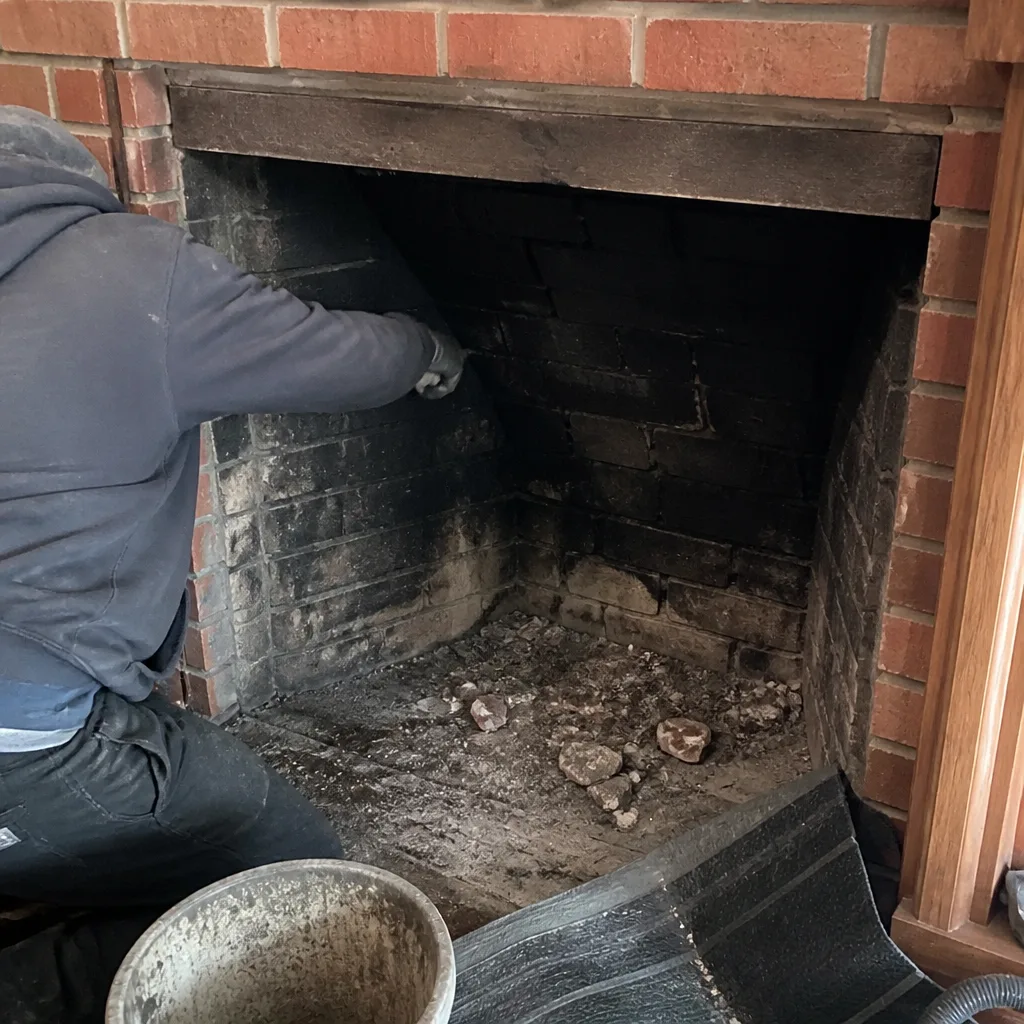 Before
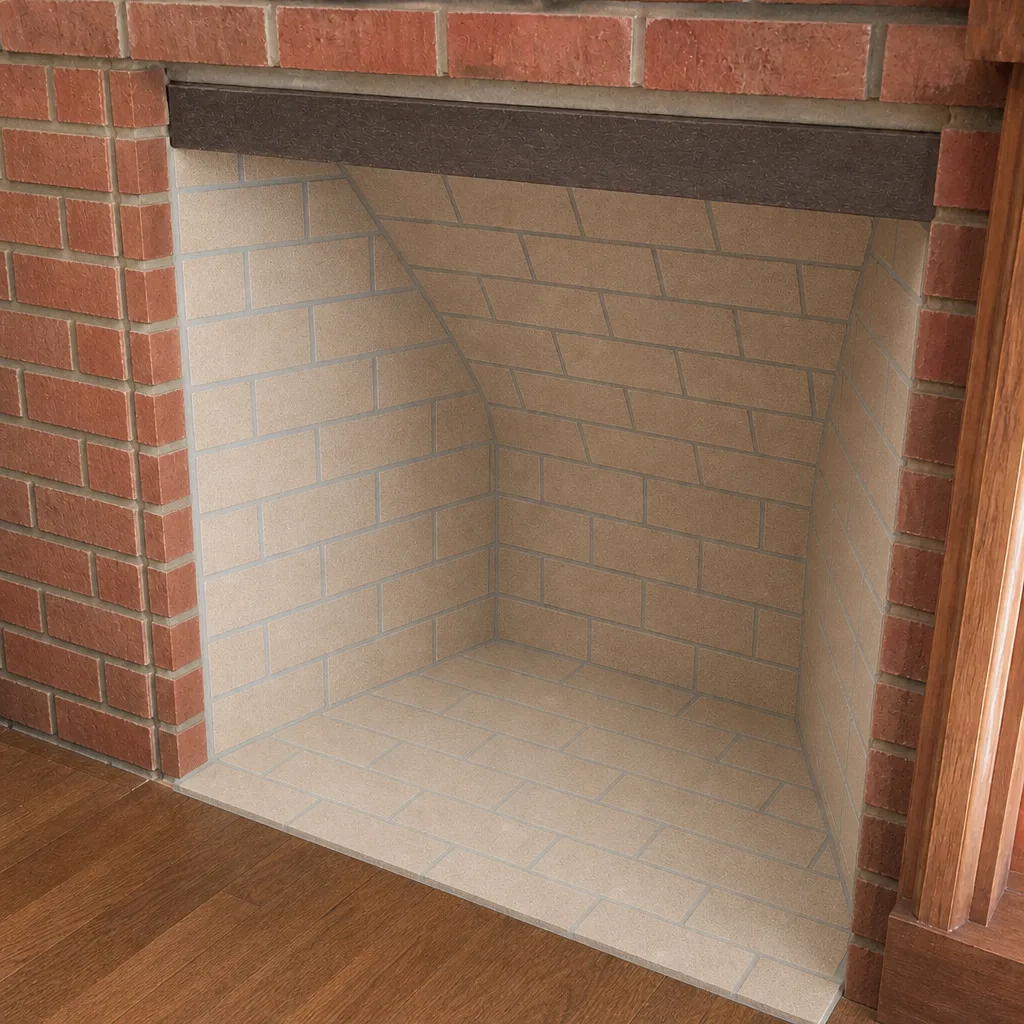 After
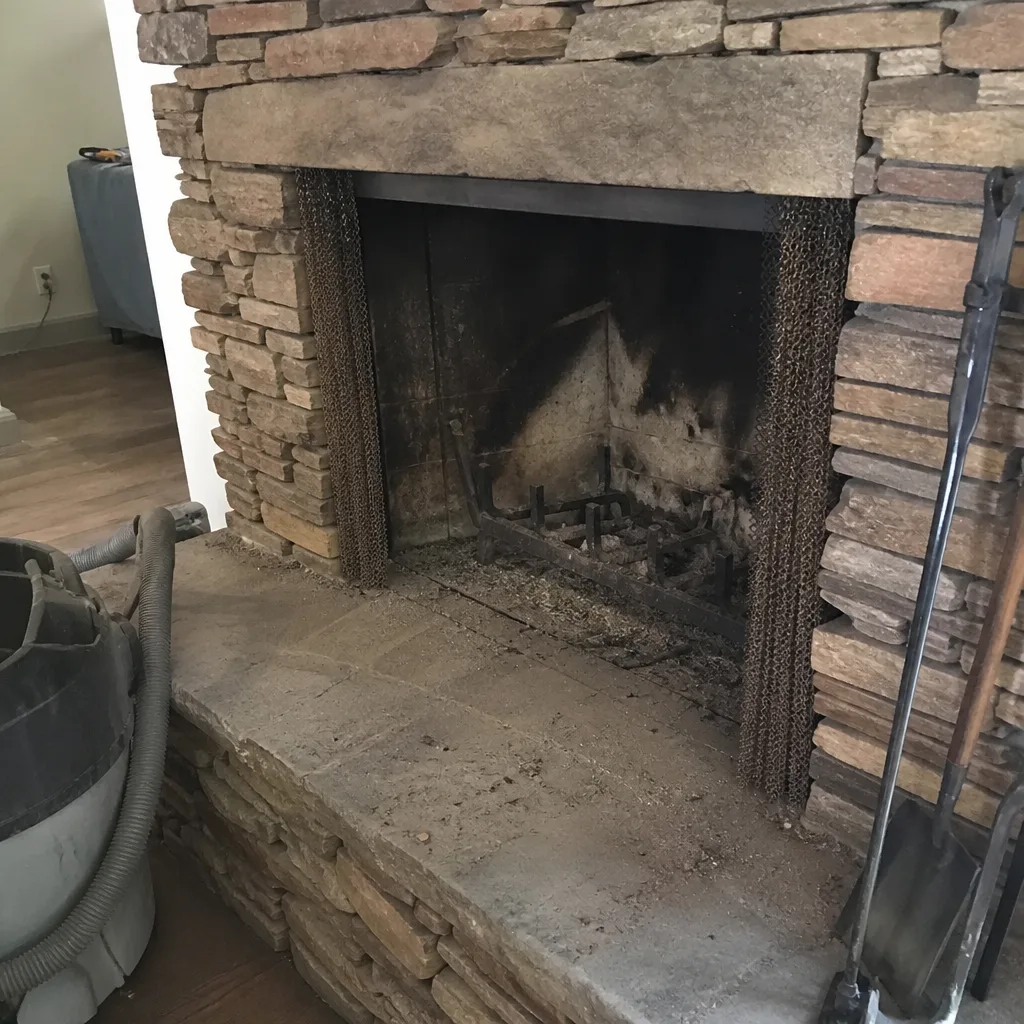 Before
 After
 Before
 After
When to Call a Professional
Call us before your next repair if any of these describe your chimney:
- You’re being quoted a liner, firebox rebuild, or appliance install and nobody has mentioned permits.
- You’re preparing to sell or refinance and the chimney file is thin or missing.
- You’ve had a chimney fire or found creosote buildup after a busy season.
- Your cap went missing or your crown is cracked.
- The flue is lined with an unpermitted install and you’re not sure it meets code.
- You’re heading into fall and haven’t had the flue inspected since last winter.
A permit-track repair done right the first time is cheaper than a re-permit at closing. Chimney Sweep Meadow Hills offers free estimates in Meadow Hills – call (855) 658-4120. We answer 24/7. Fast dispatch from 7am to 7pm, Sunday through Friday. Structural chimney repair and routine sweeping, handled by one company.
Frequently Asked Questions
No. A routine chimney sweep is maintenance, not construction, and doesn’t require a permit in Meadow Hills. Structural work – liner replacement, firebox or damper repair that alters the flue, appliance installation, or a true structural rebuild – generally does. Call (855) 658-4120 for an exact quote – estimates are free.
Yes, in most cases. A stainless liner, cast-in-place liner, or masonry reline changes the chimney system and is typically permitted and inspected locally under the IRC as adopted by Colorado. Unpermitted liners are the most common repair problem we see at resale and at insurance claims. Call (855) 658-4120 for an exact quote – estimates are free.
A sweep cleans the flue; a Level 2 inspection documents the condition of the system with photos so a third party can verify it. The inspection is what a building department, lender, insurer, or buyer wants to see. It doesn’t produce a permit. Call (855) 658-4120 for an exact quote – estimates are free.
Once a year under normal wood-burning use, and more often if you burn frequently or use unseasoned wood. Along the front range, the cold months are harder on a flue than warm-weather climates, so an annual sweep before the fall is the recommended cadence in Meadow Hills. Call (855) 658-4120 for an exact quote – estimates are free.
The repair still works on day one, but the documentation problem shows up at sale, refinance, or claim. Missing permits and unpermitted liners are among the most common causes of closing delays in older Meadow Hills homes. Call (855) 658-4120 for an exact quote – estimates are free.
It depends on the policy and the cause, but an unpermitted install is the first thing an adjuster will ask about. A permitted install with a Level 2 inspection report is the strongest documentation you can hold, and the difference often comes down to whether the record exists. Call (855) 658-4120 for an exact quote – estimates are free.
The Bottom Line
A sweep is maintenance and doesn’t need a permit. Structural work – relining, firebox rebuilds, damper changes, appliance installs, and real masonry repairs – almost always does, and the IRC’s chimney provisions, as adopted by Colorado and enforced locally, are what the building inspector will check. A code-compliant Level 2 inspection is the report that holds everything together: it documents the findings with photos, it supports a permit application, and it’s what an insurer or a buyer will want to read. Get the inspection first. Pull the permit before the repair. Keep the folder. That sequence keeps a Meadow Hills chimney safe through a Colorado winter and defensible at closing. Call (855) 658-4120. We answer 24/7. Fast dispatch from 7am to 7pm, Sunday through Friday. Free estimates, written scope agreed before booking, and the same specialist who inspects the flue is qualified to repair it – with professional-grade materials like HeatShield and DuraFlex, not hardware-store alternatives. If you want the inspection and the repair handled by one company that also covers fireplace repair and the full flue system, chimney sweep and inspection are where most of the work starts.
Written by the team at Chimney Sweep Meadow Hills.