
Last updated November 23, 2026
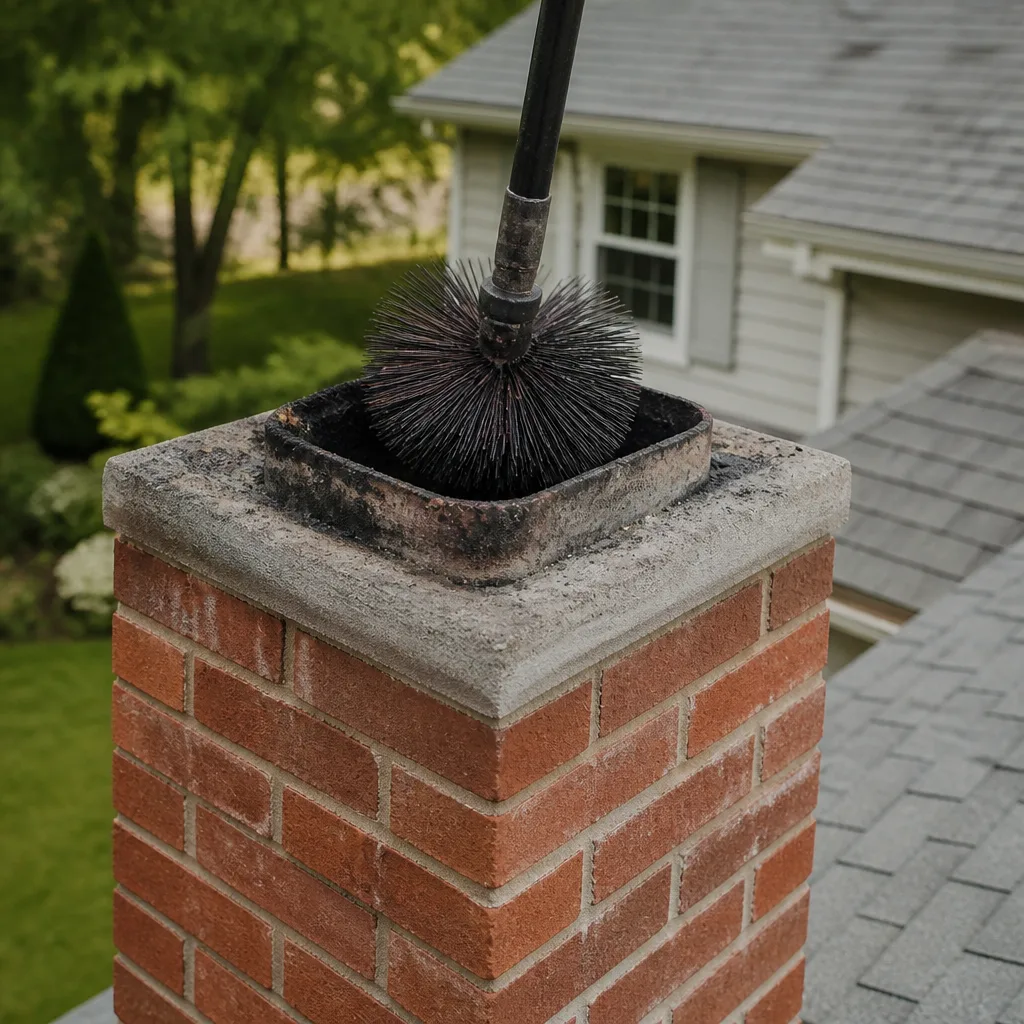 Sweep & inspection
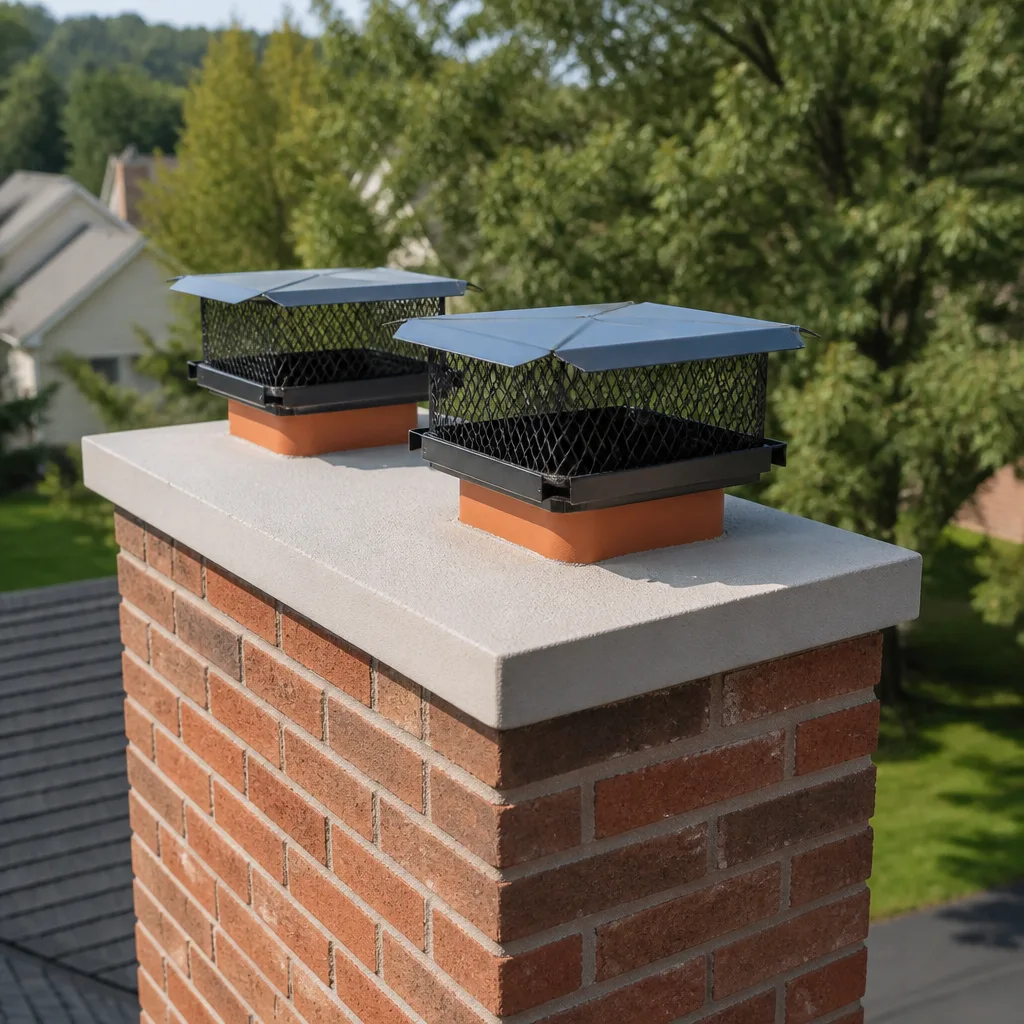 Caps & crowns
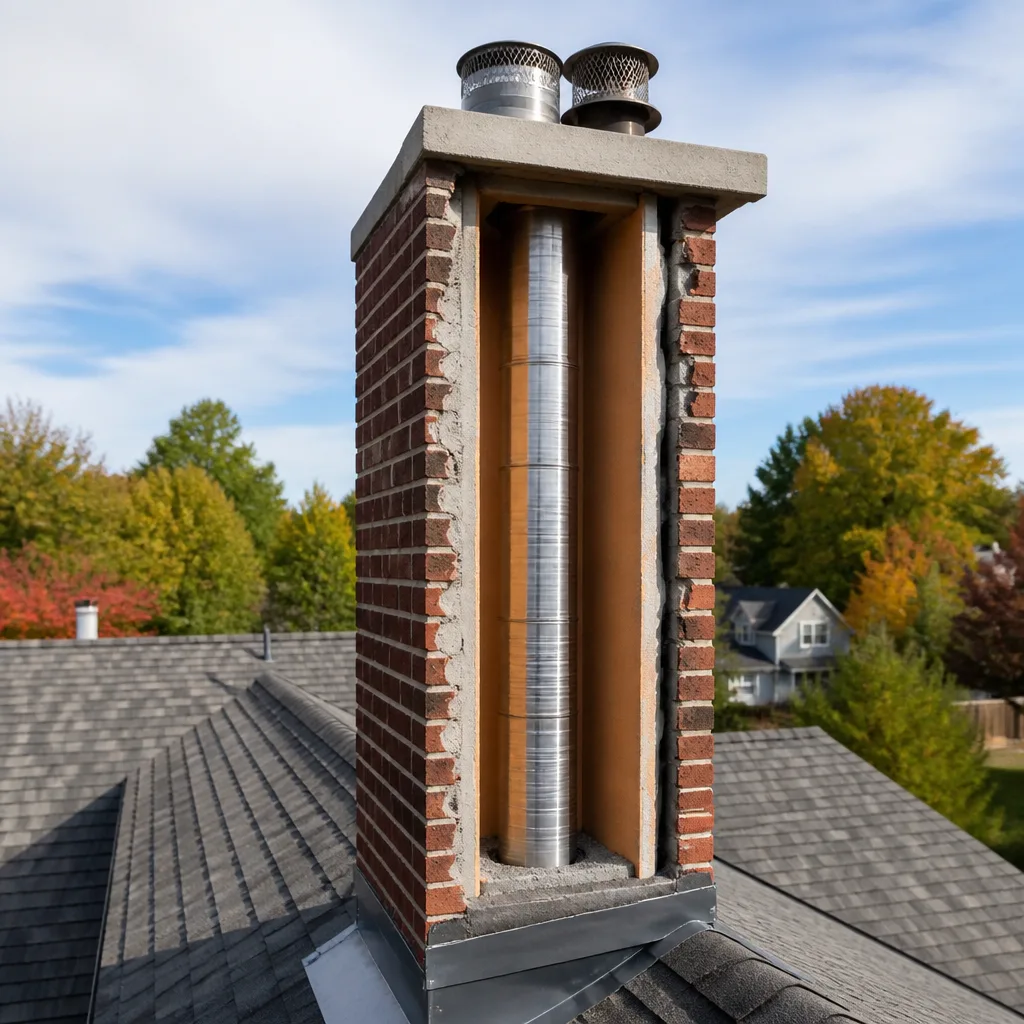 Flue relining
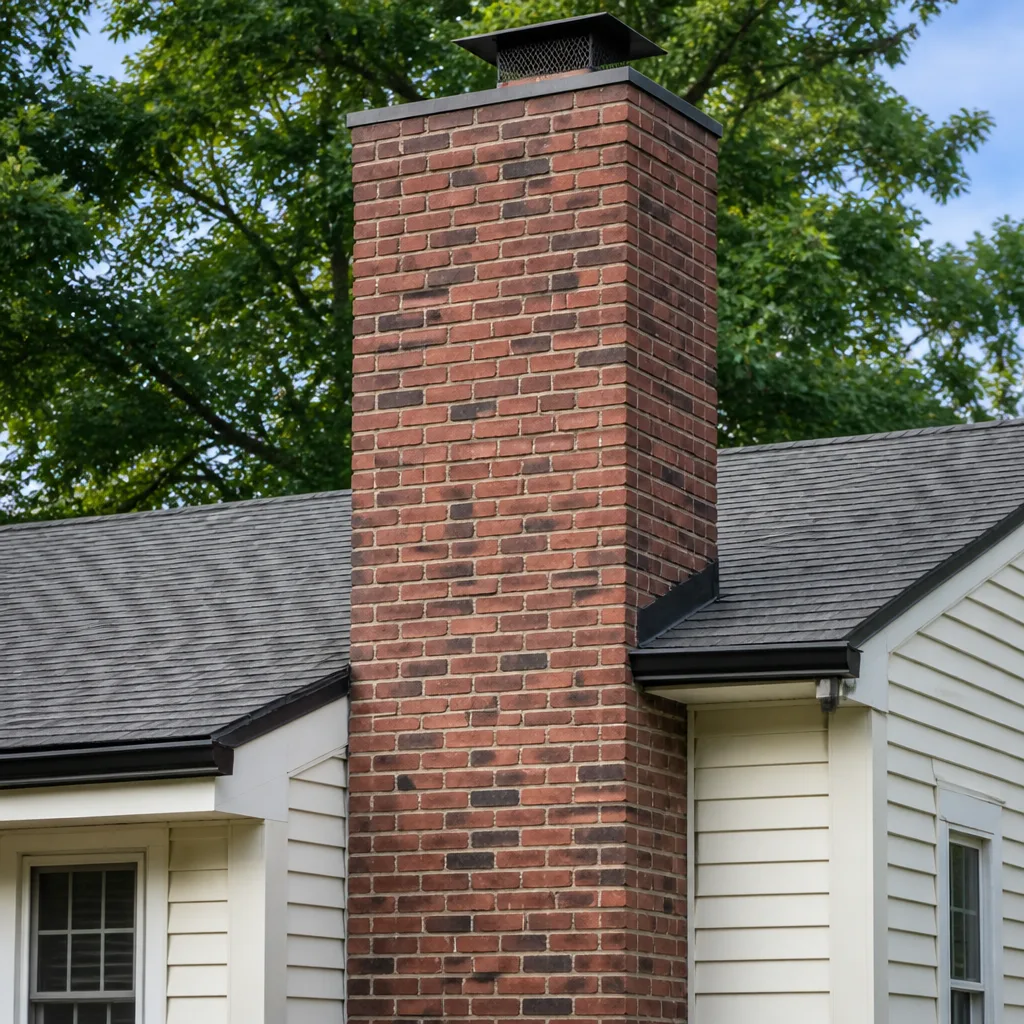 Masonry repair
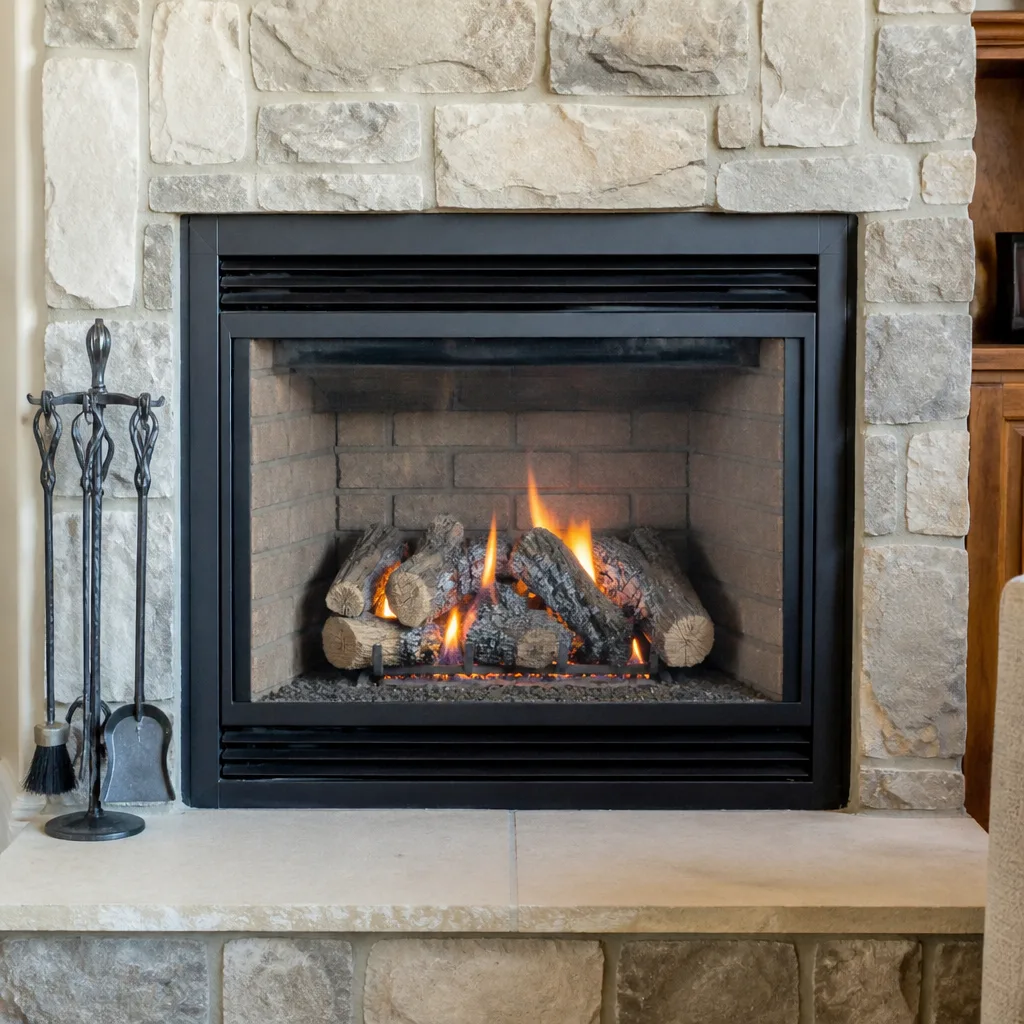 Gas fireplace service
Level 1 sweep and inspection to the NFPA 211 annual standard - flue, crown, cap, and flashing checked and photographed
Chimney sweep logs do not sweep chimneys. They loosen some creosote - which then falls where a brush and vacuum still have to collect it.
Chimney Cleaning Cost Breakdown: The Meadow Hills Homeowner’s Reference for 2026
The cheapest chimney cleaning quote you’ll find in Meadow Hills often leaves out the smoke chamber, and that omission matters more than the number on the invoice. The smoke chamber sits between the damper and the flue, it’s where glazed creosote tends to collect, and it’s the part of a sweep that takes the most time and care to clean. A quote that skips it isn’t a bargain; it’s an incomplete job. In this reference we walk through what chimney cleaning actually costs in Meadow Hills, what pushes a price above the base, what the common add-ons run, and how to read a detailed estimate against a flat-rate offer that may be hiding missing scope.
Styles & brands we work with
- Sweep & inspection
- Caps & crowns
- Flue relining
- Masonry repair
- Gas fireplace service
Quick Answer
A standard chimney cleaning for a masonry fireplace in Meadow Hills typically runs $180 to $340, a prefab zero-clearance system usually falls in the $150 to $275 range, and a woodstove with its own flue generally lands between $200 and $375. Prices climb with flue height, heavier creosote stages, and steep roof access. Any add-ons (cap, crown, damper, camera inspection) are quoted separately, and the written estimate always sets the final price.
Table of Contents
- What does chimney cleaning cost in Meadow Hills by system type?
- What pushes a cleaning above the base price?
- How do creosote stages change what you pay?
- What do common add-on services cost?
- Why do professional-grade materials cost more?
- How do you read a detailed quote line by line?
- When should you book a cleaning in Meadow Hills?
- Common mistakes to avoid
- When to call a professional
- Frequently asked questions
- The bottom line
What does chimney cleaning cost in Meadow Hills by system type?
The base cleaning price depends on what kind of chimney you have, not on who you call. A masonry fireplace is built from brick and mortar with a full-height clay-lined flue; a prefab zero-clearance unit is a factory-built metal system with a thinner flue; a woodstove often has its own dedicated flue that runs at hotter temperatures than a fireplace chimney. Each takes a different set of tools and a different amount of time, and a fair quote reflects that.
| System type | Typical Meadow Hills range | What’s included |
|---|---|---|
| Standard masonry fireplace | $180 – $340 | Firebox, damper, firebox walls, flue, smoke chamber |
| Prefab zero-clearance unit | $150 – $275 | Firebox, flue, cap; lighter masonry cleaning |
| Woodstove with separate flue | $200 – $375 | Stove interior, connector pipe, flue, cap |
These are estimates for typical systems, not fixed prices. A small fireplace with an easy roof pitch may come in on the low end; a tall, steep-roofed chimney with heavy soot will come in higher. In Meadow Hills, the mix of older masonry homes and newer prefab installations means we see all three system types regularly, and the base prices track the same pattern you’ll find in most Colorado Front Range communities.
One thing worth knowing up front: a full sweep covers the entire flue and the smoke chamber, not just the firebox. If a quote only names the firebox and the flue cap, ask what happens to the smoke chamber before you book. When we sweep a fireplace we treat the whole system, and our chimney sweep adds a camera check when the flue condition is unclear.
What pushes a cleaning above the base price?
Three things move a cleaning above the base range in Meadow Hills: how tall the chimney is, how heavy the creosote buildup is, and how hard the roof is to access safely. Each of these is a real labor cost, not an arbitrary markup. A flue that runs twenty-five feet takes longer to brush than one that runs twelve, and the equipment needed to reach the top of a two-story chimney safely is different from what you’d use on a single-story home.
- Flue height. Extra length means extra brush sections, extra inspection time, and more setup. A chimney that rises well above the roofline takes more work than one that stops just past the ridge.
- Creosote stage. Stage 1 soot brushes away; Stage 2 becomes sticky and takes repeated passes; Stage 3 is glazed and hard, and requires chemical treatment before it can be removed at all. We cover the stages in detail below.
- Access difficulty. Steep roof pitches, low parapets, obstructions, and chimney locations that require special staging all add time. A crew working on a low-slope roof with easy ladder access finishes faster than one working on a steep pitch at the back of the house.
- System layout. Offsets, dampers that stick, and flue liners that have shifted inside the chase slow the cleaning down and sometimes require a second visit after a camera inspection.
If your quote on a tall, steep-roof chimney comes in higher than a neighbor’s quote on a shorter one, that difference is normal. Ask each contractor to explain their scope so you can compare like for like, which is exactly what the section on reading a quote below is about.
How do creosote stages change what you pay?
Creosote is the residue that builds up on the inside of a chimney when wood burns. It forms in three stages, and each stage requires a different level of effort to remove, which translates directly into the price you’ll see on a Meadow Hills estimate. Understanding the stages is the single best way to judge whether a quote makes sense.
- Stage 1 – soot and light fluff. This is dry, powdery, and brushes away in a standard sweep. Most of the cleaning cost here is the base flue work, and the price stays at the low end of the range.
- Stage 2 – sticky crust. The deposit becomes flaky and gummy, sometimes with a shiny finish. It takes repeated brushing and more time, and the price moves into the middle of the range.
- Stage 3 – glazed, hardened creosote. This looks like a dark, glassy coating and cannot be removed with a brush alone. It requires chemical treatment over time, then a follow-up sweep, and the price sits at the top of the range or beyond it depending on how much surface area is coated.
Stage 3 buildup raises a real safety concern. A heavily glazed flue is at higher risk of a chimney fire, and the fire risk is one of the main reasons sweeping matters in the first place. State-licensed professionals handle that removal because the chemicals and tools are part of the trade; this is not a task for a homeowner with a brush from the hardware store.
In Meadow Hills, creosote tends to build faster in homes where the fire is routinely damped down low and slow, because cooler flue temperatures leave more unburned residue behind. If your firebox has a heavy, sticky coating when you look up the damper, it’s worth having a professional assess it rather than guessing at the stage.
What do common add-on services cost?
Add-ons are quoted separately because each is a distinct task at the top or inside of the chimney. The common ones in Meadow Hills – cap replacement, crown sealing, damper repair, and camera inspection – each run in a predictable range, and any of them is optional unless the inspection shows the component is failing. Nothing is recommended without evidence you can see.
| Add-on service | Typical Meadow Hills range | When it’s needed |
|---|---|---|
| Chimney cap replacement | $125 – $350 | Rusted, damaged, or missing cap; cap that no longer keeps rain or birds out |
| Crown sealing or repair | $250 – $700 | Cracks in the mortar crown; water getting into the chimney top |
| Damper repair | $150 – $500 | Damper stuck open, stuck closed, or not sealing against smoke |
| Camera inspection | $75 – $200 | When the flue interior is not visible from the top or the firebox |
Our chimney cap & crown work is one of the five services we handle directly, which matters when a sweep uncovers a cracked crown. The same specialist who brushed the flue can fix what the inspection found, so you’re not handed off to a second contractor mid-project. For damaged dampers or firebox components, our fireplace repair work covers the interior side of the chimney.
A camera inspection is the one add-on worth asking about any time the flue lining is unknown. The camera goes down the flue and shows you the joints, any gaps, and any stage 3 deposits from the inside. It’s the difference between a guess and a documented finding, and the photo report goes with you.
Why do professional-grade materials cost more?
The materials a chimney contractor uses determine how long a repair lasts. Professional-grade products made by companies like HeatShield, DuraFlex, Olympia Chimney, Famco, and Copperfield cost more than hardware-store substitutes because they’re engineered for the temperatures and conditions inside a flue, not for general home use. When your quote includes one of these materials, you’re paying for something that is built to be in a chimney.
The liner is the clearest example. A HeatShield product is used to resurface a damaged clay liner from the inside, restoring a continuous surface without tearing out the chimney. A DuraFlex flexible liner system is used when a chimney needs a full reline; the flexible format runs down flues with offsets that a rigid liner can’t navigate. These are structural repairs, not cleaning services, and they’re a large part of why a specialized chimney company exists beyond the annual sweep.
- Heat resistance. Chimney products are rated for the flue gas temperatures they sit in; hardware-store sealants and liners aren’t.
- Fit. Flexible liners and molded crown products match the shape of a real chimney, so they seal correctly and don’t leave voids behind.
- Longevity. A proper liner and a properly sealed crown are what protect the chimney for years after the visit; a quick patch just delays the next repair.
We work with HeatShield and DuraFlex because they’re the materials a chimney repair is built around. We’re also set up with Olympia Chimney, Famco, Gelco, and Copperfield for the components those brands cover, which means we can match the right material to the job rather than forcing whatever’s on the shelf into the flue. If your quote names a material, ask the contractor which system they’re installing and why it fits your chimney.
How do you read a detailed quote line by line?
A detailed quote is more useful than a single flat number because it tells you what work will actually happen. A flat-rate offer can be entirely fair, but if the scope isn’t spelled out, you can’t tell whether the smoke chamber, the cap, and the crown were included or quietly left off. Reading the quote line by line is how you compare two contractors honestly.
- Look for the smoke chamber. A full cleaning names it. A quote that only mentions the flue and the firebox may be skipping the part that takes the most labor.
- Check the flue length and access notes. The quote should reflect the size and roof pitch of your chimney. If it doesn’t mention height or access, ask how the price was set.
- Find the creosote stage. A quote written before anyone looked up the flue can only be an estimate. A quote after inspection should name the stage it found.
- Read the add-ons separately. Cap, crown, damper, and camera should be itemized. If they’re bundled into one number, ask for the breakdown.
- Confirm the inspection is included. A cleaning without a visual inspection leaves the flue’s real condition unknown. The photo report should come with the job.
- Check the warranty terms. A repair or liner install should carry written terms. If there are none, ask why.
Our quotes itemize every service, and the local pro on the job is state-licensed and insured as Colorado requires. When the written estimate is signed, that price sets the job. Nothing changes because the creosote turned out heavier than expected; that gets caught in the estimate phase, not added later.
When should you book a cleaning in Meadow Hills?
The best time to book a chimney cleaning in Meadow Hills is before the first sustained cold snap, which usually means scheduling in late summer or early fall. Booking before burning season means the flue is clean and inspected by the time you start lighting fires, and it avoids the rush that hits every chimney company when the first cold week arrives. If you’ve already been burning and can’t remember your last sweep, book one now rather than waiting for the next cold stretch.
Meadow Hills sits at altitude along the Front Range, and like the rest of the region it sees dry air and wide temperature swings through the shoulder seasons. A chimney that sat through a dry summer still collected whatever the previous winter’s fires deposited, and the crown and cap took the weather along the way. That’s why a fall cleaning and inspection is a sound habit even for a chimney that “worked fine” last year.
As for frequency, the general guidance is once a year for a home that burns regularly, and once every year or two for a home that lights occasional fires. Gas fireplaces need less creosote attention but still benefit from an inspection, because the venting and the cap can develop problems that have nothing to do with soot. If you’re unsure which category fits your home, a single inspection answers the question.
You can read more about how we structure the visit and what the inspection covers on our Chimney Sweep Meadow Hills page. If the inspection turns up a repair, we handle the fix directly rather than handing the job off.
Common Mistakes to Avoid
- Choosing a quote on price alone. The lowest number is often the one that excludes the smoke chamber or skips the inspection. Ask what’s included before comparing prices.
- Skipping the inspection when the flue looks clean. Soot isn’t the whole story. Cracks, gaps, and stage 3 deposits are invisible from the firebox, so a camera check is worth the extra line item.
- Ignoring a cracked crown for another season. A cracked mortar crown lets water into the chimney structure, and the repair grows with every freeze-thaw cycle in Meadow Hills. Fix it while it’s small.
- Burning unseasoned wood to save on fuel. Wet wood produces more creosote and pushes the cleaning price upward, and it puts more stress on the flue. Dry wood burns cleaner and is easier on the chimney.
- Using hardware-store caulk on a cap or crown repair. The materials inside a chimney aren’t rated for the caulk sold at the home center. A patch that fails in a season is more expensive than the repair done right the first time.
- Letting a stainless liner stay unsealed at the top. A liner that isn’t properly capped or sealed allows water down into the flue and shortens the liner’s life. Have the top end checked during any cleaning.
- Booking the first cold week of October. Every chimney in Meadow Hills tends to get swept at the same time, and the scheduling backlog can push you into burning season with a dirty flue. Book earlier.
When to Call a Professional
Call a professional chimney company when you can’t see the full length of the flue from the firebox or the roof, when you’ve noticed a heavy or glossy coating inside the chimney, when the crown is cracked or the cap is loose, when a damper sticks or doesn’t seal, or when you’ve never had the system inspected and don’t know its condition. Those situations call for a trained set of eyes on the whole system, not a homeowner brush. Any work on the flue interior, the liner, or the crown should be left to a licensed professional because the tools and temperatures involved pose real risk.
Chimney Sweep Meadow Hills offers free estimates in Meadow Hills – call (855) 658-4120. We answer 24/7. Fast dispatch from 7am to 7pm, Sunday through Friday. Our technicians have up to 10 years of experience, and the written estimate sets the final price.
Frequently Asked Questions
A chimney cleaning in Meadow Hills typically costs $180 to $340 for a standard masonry fireplace, $150 to $275 for a prefab zero-clearance unit, and $200 to $375 for a woodstove with a dedicated flue. The final price depends on flue height, creosote stage, and roof access, and the written estimate sets the job price. Call (855) 658-4120 for an exact quote – estimates are free.
Only if the inspection shows one is needed, and you should see the evidence before any reline is quoted. A camera inspection looks for cracks, gaps, and stage 3 deposits that a visual sweep can’t reveal, and the photo report lets you judge for yourself. If the lining is sound, cleaning is enough and no liner is recommended. Nothing is pushed without documented findings.
Most homes that burn regularly should be swept once a year, and homes that light occasional fires can usually go every year or two. Gas fireplaces need less creosote attention but still benefit from a yearly inspection for venting and cap issues. If you’re unsure which category fits your Meadow Hills home, one inspection answers the question. Call (855) 658-4120 to schedule one.
Creosote builds up on the flue walls, and at Stage 3 it becomes hard and glazed, raising the risk of a chimney fire. The wider the glaze spreads, the more complex the removal becomes and the higher the price climbs. Skipping a cleaning doesn’t save money; it moves the cost later and raises the safety risk in the meantime.
A tall chimney takes longer to brush, and a steep roof requires more safety setup, so both add time to the job. Those are real labor costs, and a fair quote reflects them. If your quote is higher than a neighbor’s on a shorter, easier chimney, the difference is normally the system itself, not the contractor.
A detailed estimate itemizes the work – flue, firebox, smoke chamber, cap, crown, camera inspection – so you can see what’s covered and what isn’t. A flat-rate offer can be fair, but if the scope isn’t written out, it’s hard to know whether the smoke chamber was included. Ask for the breakdown before you book. Call (855) 658-4120 for a free itemized estimate.
The Bottom Line
Chimney cleaning prices in Meadow Hills vary because the systems vary, not because contractors guess at numbers. Base cleaning runs $180 to $340 for a masonry fireplace, $150 to $275 for a prefab, and $200 to $375 for a woodstove with a dedicated flue. Above that base, flue height, creosote stage, and roof access add real labor. Add-ons like a cap, crown, damper, or camera inspection are quoted separately, and professional-grade materials such as HeatShield and DuraFlex cost more because they’re built for the temperatures inside a flue. The right question isn’t which quote is lowest; it’s which quote shows you the scope and the evidence. If anything in this breakdown raised a question about your own chimney, call (855) 658-4120 for a free estimate. We answer 24/7. Fast dispatch from 7am to 7pm, Sunday through Friday.
Written by the team at Chimney Sweep Meadow Hills.
See the difference
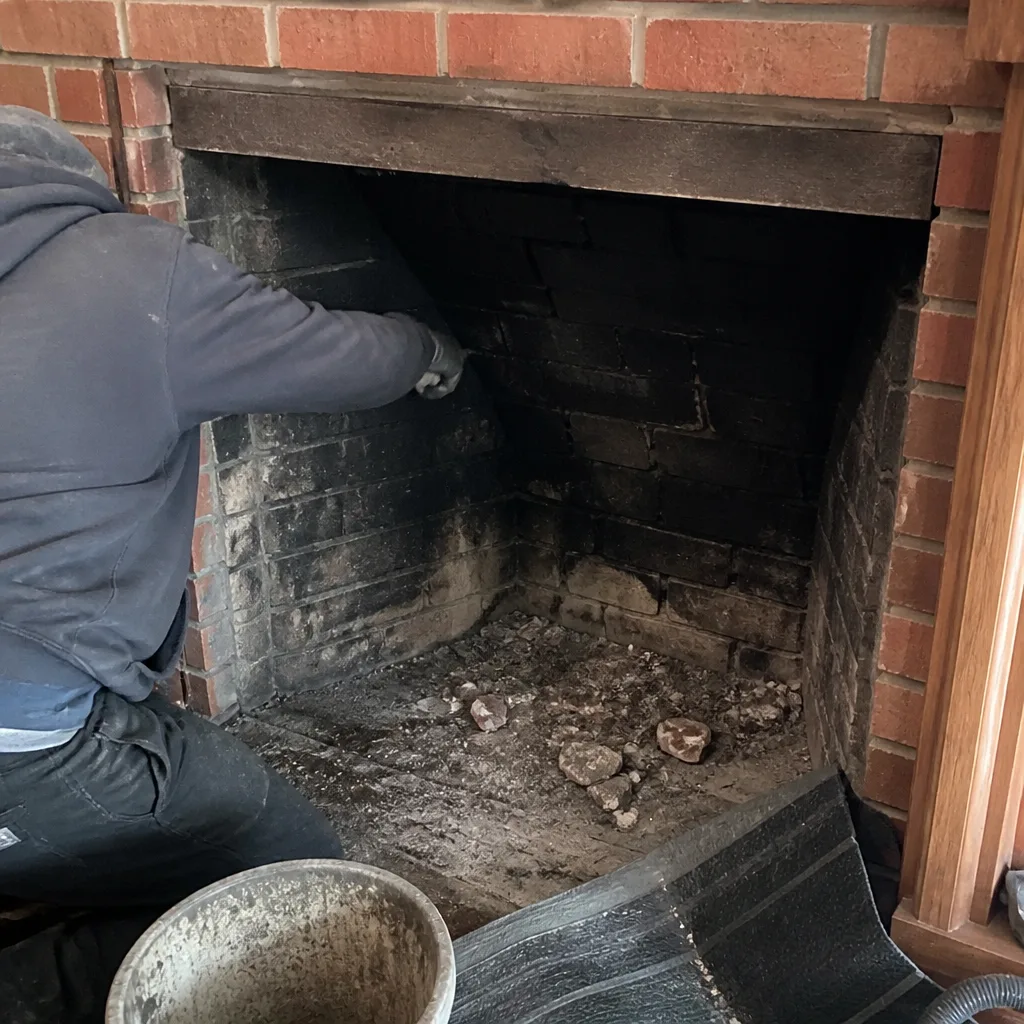 Before
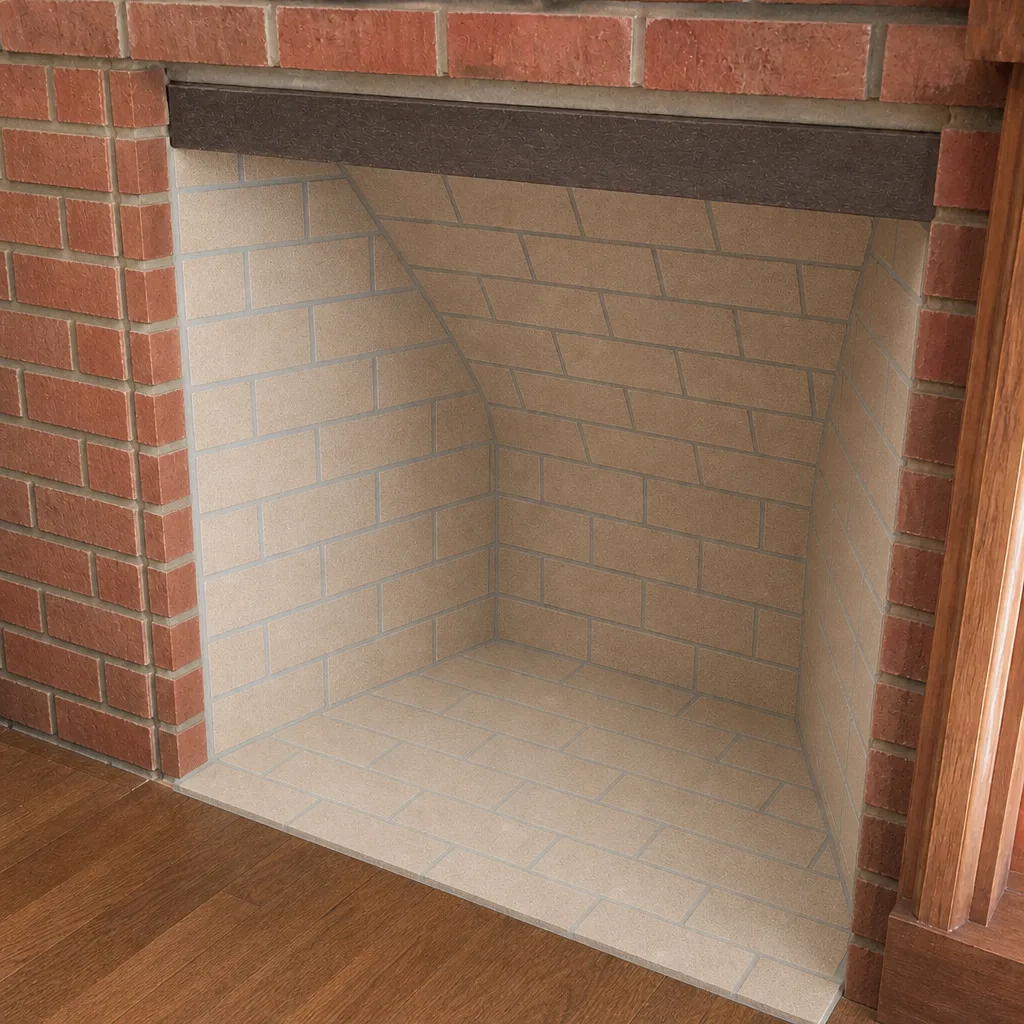 After
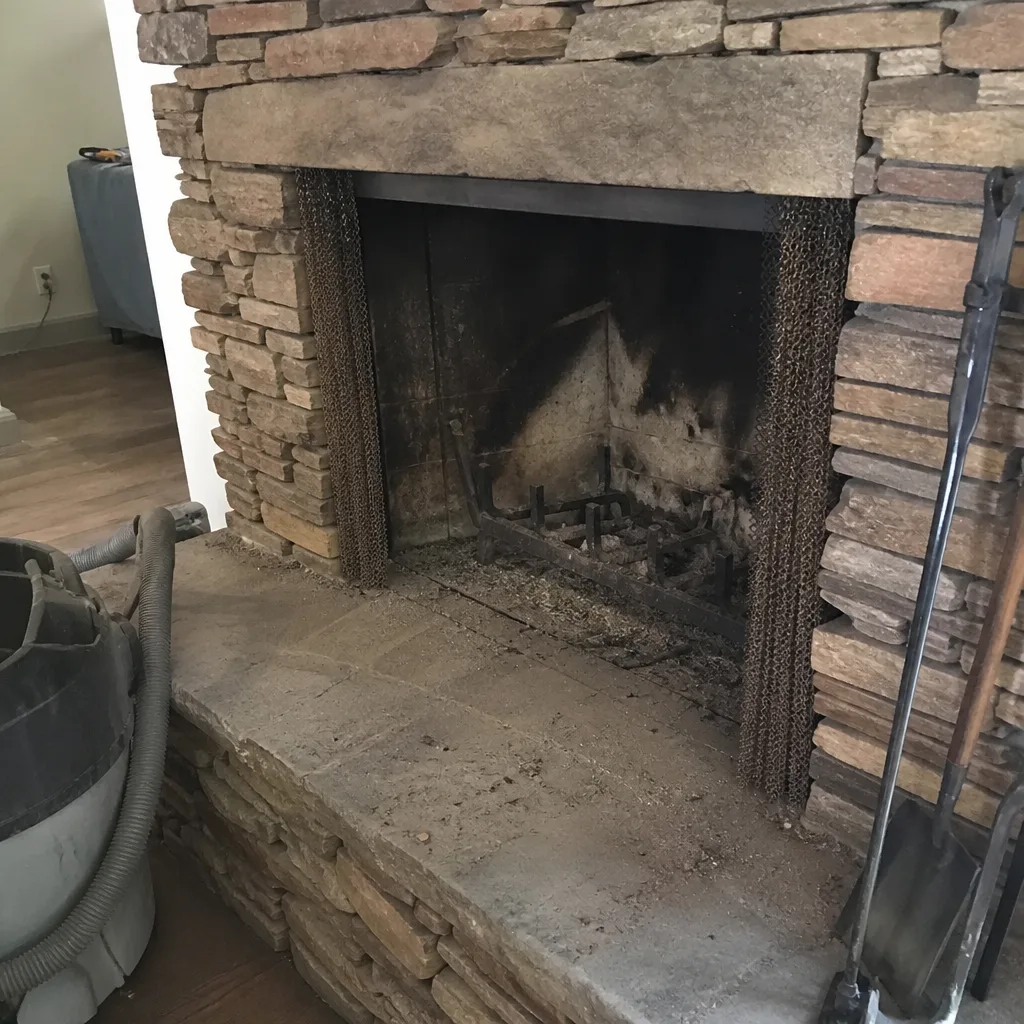 Before
 After
 Before
 After