
Last updated November 23, 2026
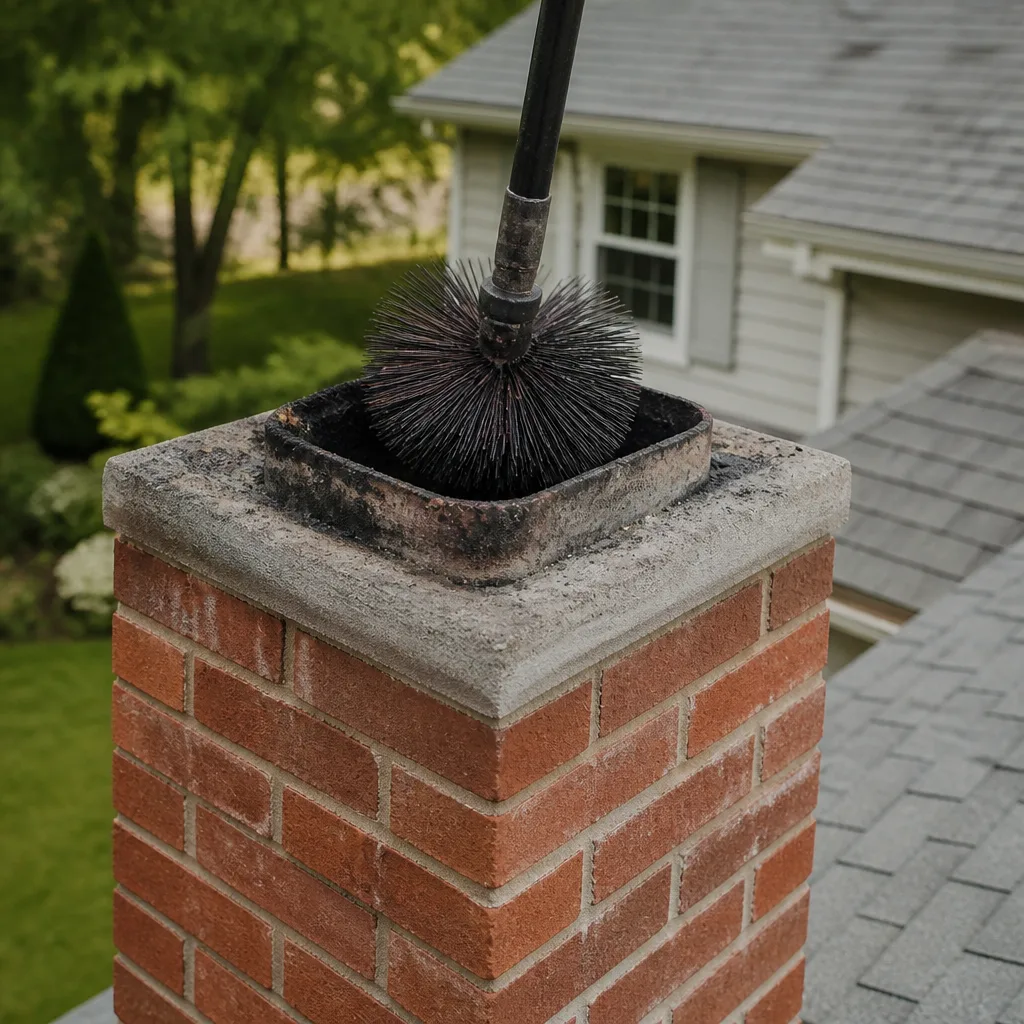 Sweep & inspection
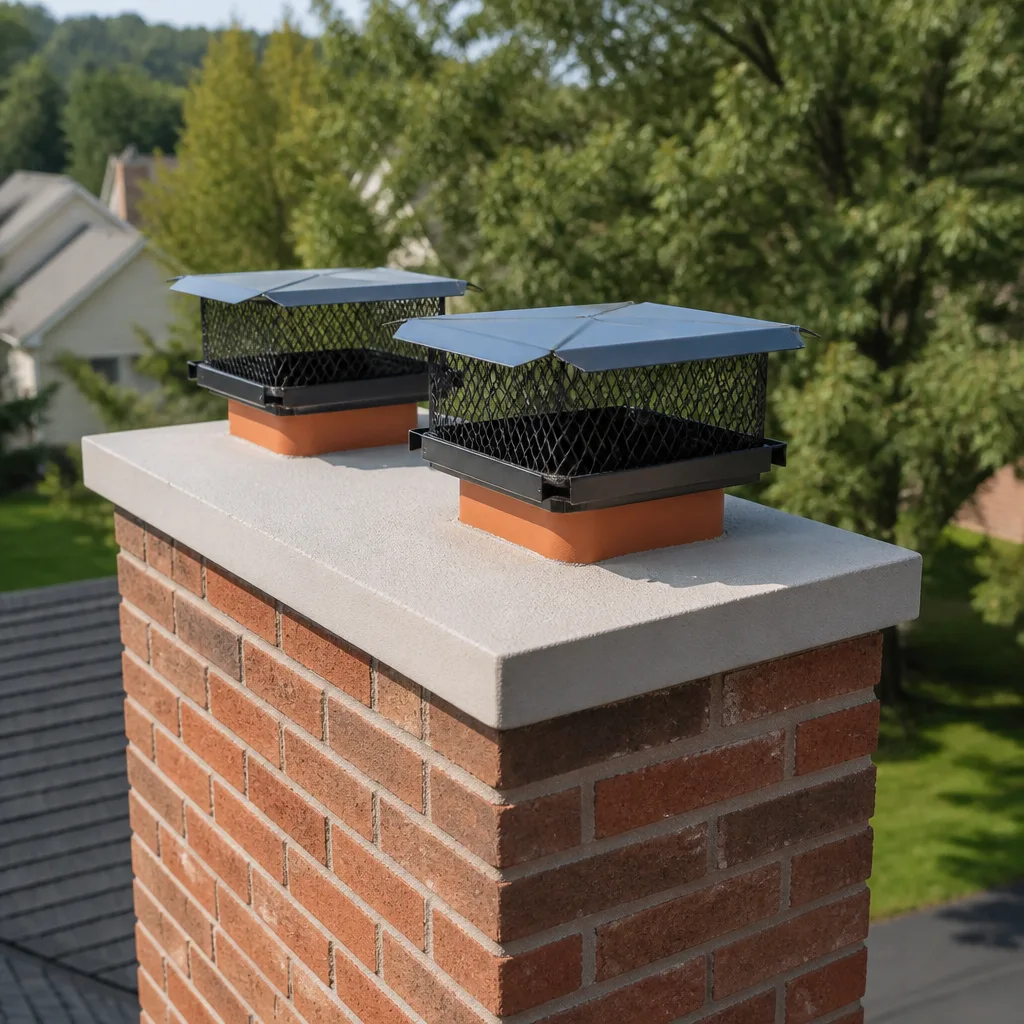 Caps & crowns
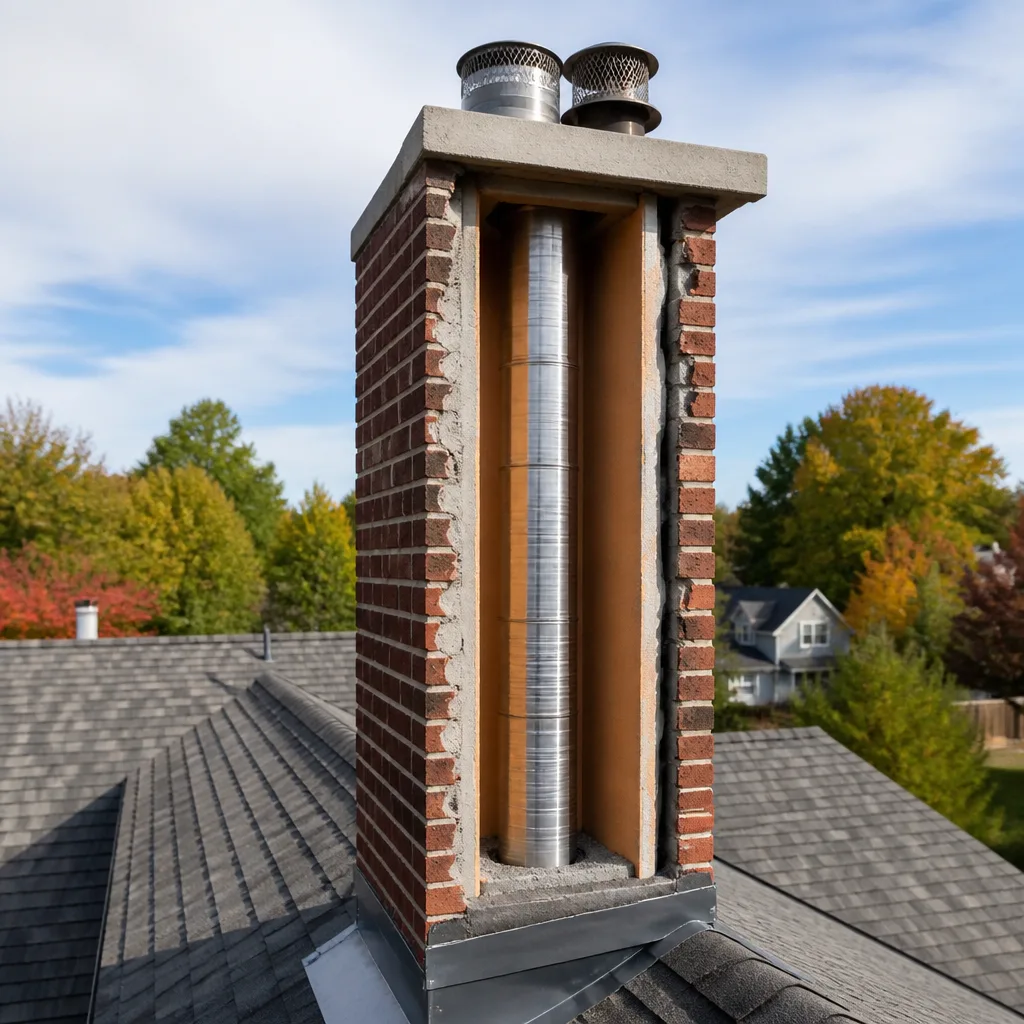 Flue relining
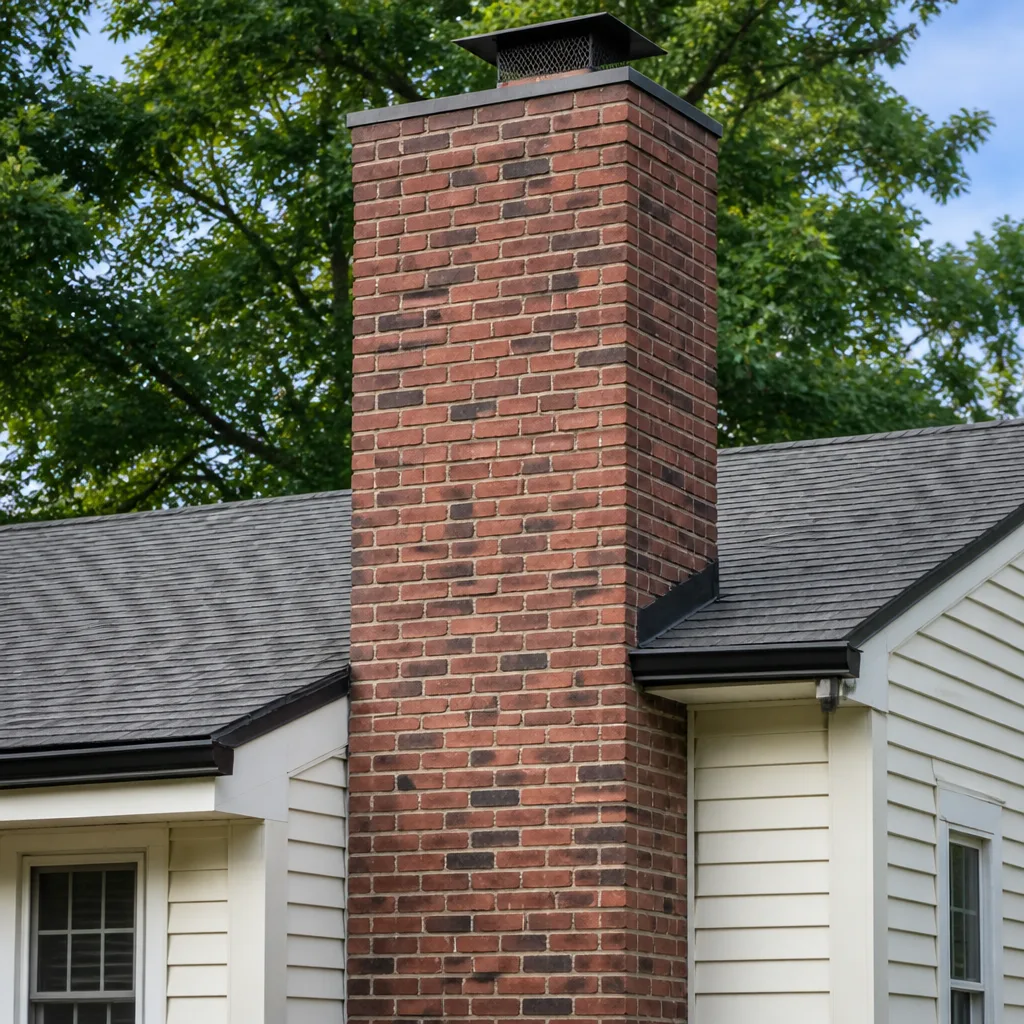 Masonry repair
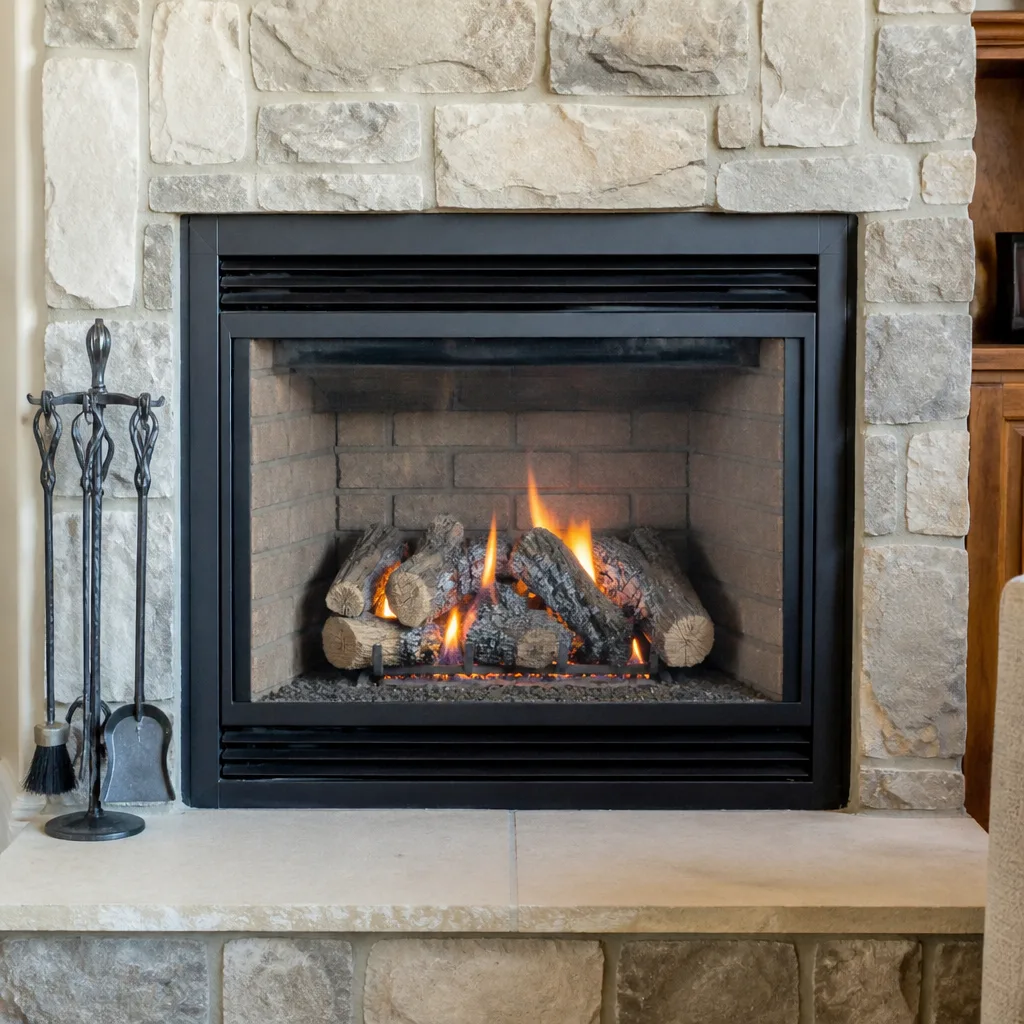 Gas fireplace service
Level 1 sweep and inspection to the NFPA 211 annual standard - flue, crown, cap, and flashing checked and photographed
Chimney sweep logs do not sweep chimneys. They loosen some creosote - which then falls where a brush and vacuum still have to collect it.
Seasonal Chimney Cleaning Care for Meadow Hills: Year-Round Homeowner’s Guide
Late spring is when Meadow Hills chimneys are most vulnerable, and it has nothing to do with fire risk. By the time the last snow melts, April freeze-thaw cycles have been quietly working on every crown crack and mortar joint that went into winter unnoticed, opening them wider with each overnight freeze and daytime thaw. A chimney that passed a fall inspection can be letting meltwater into the masonry by May. Most homeowners think of chimney care as one annual sweep in autumn. In a place with Meadow Hills’ swing between hard freeze and dry heat, the chimney needs something different in each quarter, and knowing which task belongs to which season is the whole game. This guide walks through all four.
Quick Answer
Seasonal chimney care in Meadow Hills means matching the work to the season: a pre-season check of the flue, damper and cap before the first fire, attention to wood moisture and creosote type through the heating months, a post-season inspection in spring that catches freeze-thaw masonry damage, and summer waterproofing before hail season and the fall rains. How often you sweep depends on how much cord wood you burn, not on a fixed calendar date.
Styles & brands we work with
- Sweep & inspection
- Caps & crowns
- Flue relining
- Masonry repair
- Gas fireplace service
Table of Contents
- Why Meadow Hills Chimneys Have a Different Seasonal Cycle
- Fall: What to Confirm Before the First Fire
- Winter: How Burn Habits Change Your Creosote
- Spring: The Inspection That Matters Most
- Summer: Waterproofing, Efflorescence and the Post-Hail Check
- How to Set Your Cleaning Frequency by Cord Wood, Not the Calendar
- A Simple Four-Season Maintenance Schedule
- When to Call a Professional
Why Meadow Hills Chimneys Have a Different Seasonal Cycle
A chimney in a mild climate faces one long, steady set of conditions. A chimney here faces four genuinely different ones, and each stresses a different part of the system. From October through April, masonry goes through repeated freeze-thaw cycles. Water finds a hairline crack in the crown or a mortar joint in the fall, freezes overnight, expands, and by morning the crack is wider. Repeat that dozens of times in a winter and a cosmetic crack becomes a pathway for water into the flue structure.
Then summer arrives and the pattern flips. Dry, hot weeks bake residue that built up over the heating season into a harder, more stubborn deposit than the same creosote would become in a damp climate. And the shoulder seasons, the cool stretches of early autumn and late spring when you light a fire every few evenings rather than every night, tend to produce a light-use deposit that behaves differently from the heavy, sustained burns of deep winter. That drop in burn frequency actually matters for creosote type, and we’ll come back to it.
What this means practically is that the old habit of one autumn sweep doesn’t map cleanly onto a Meadow Hills chimney. The system needs a task in each quarter, and the task changes with the weather. We cover the full chimney system, from the firebox to the cap, and the seasonal view is the one that keeps all of it working together.
Fall: What to Confirm Before the First Fire
The autumn check is about more than a clean flue. Over the summer, heat, hail and the first cool nights have been at work on the parts of the chimney you don’t see during the burning season. Before you light the first fire, three things deserve a look, and only one of them is cleanliness.
- Flue condition. Residue from last season plus summer baking means the flue should be swept and inspected before it’s put back into service. A blocked or heavily glazed flue changes how the fire drafts.
- Damper sealing. A damper that no longer seats fully lets heated room air escape up the chimney all winter, even when you’re not burning. Check that it opens, closes and sits flush. A damper that’s stuck open or warped is a repair, not a cleaning issue.
- Cap integrity. The cap takes the brunt of summer weather. A loose or damaged cap lets rain, snow and animals into the flue, and it’s one of the cheapest things to correct before the season starts.
This is also the moment to look at the masonry around the firebox and the crown from the ground with binoculars, before snow cover hides problems until spring. If something looks off, a proper chimney inspection tells you exactly what your chimney needs, and what it doesn’t.
Why fall matters so much in Meadow Hills specifically: the first hard freeze can arrive while the chimney is still holding summer moisture in its masonry. Sealing that moisture in through a freeze is far harder on brick than a dry cold snap. Getting the cap and crown sound before the cold sets in protects the structure all winter.
Winter: How Burn Habits Change Your Creosote
Creosote doesn’t form the same way every time you burn. The type and rate of deposit depend on two things you control: how hot and how often the fire burns, and how dry the wood is. In Meadow Hills’ dry heating season, both of those are worth understanding, because they change what builds up in your flue.
Wood moisture is the bigger lever. Seasoned firewood, split and dried so the moisture has mostly left it, burns hotter and cleaner. Wet or green wood spends its heat boiling off water instead of producing a clean burn, and cooler flue gases leave more unburned material to condense on the walls. That condensed material is creosote, and the cooler and damper the burn, the more of the smeary, gummy kind you get.
- Hot, frequent burns tend to leave lighter, drier, flakier deposits that are easier to sweep.
- Cool, smoldering burns with damp wood or a throttled damper leave heavier, stickier, glazed deposits that are harder to remove and burn hotter if they ignite.
- The shoulder-season pattern of a small fire every few evenings, common in Meadow Hills in the weeks around the first and last frost, tends to produce light but repeated deposits rather than one heavy layer.
The reason this matters is safety, not just cleanliness. Creosote is the fuel in a chimney fire, and the heavier, glazed type is the most dangerous. Keeping the burn hot and the wood dry is the single best way to slow deposit buildup. We can work with your insurer if a chimney fire ever does require a claim, though the goal here is to make sure it never comes to that.
One winter habit worth building: check the cap and the visible flue from outside after a big snow or ice event. Snow load and ice can dislodge a cap or loosen flashing, and catching it in January is easier than discovering it in April.
Spring: The Inspection That Matters Most
In a freeze-thaw climate, the post-season inspection does more work than the pre-season one. Here’s why: winter is when the damage happens, and spring is the first moment you can see all of it clearly. The crown that looked fine in October has been through a full winter of freeze-thaw cycles. The mortar joints around the flue have expanded and contracted with the temperature swings. Spring is when those show up.
What masonry damage actually looks like after a Meadow Hills winter:
- Hairline cracks in the crown that have widened since fall. The crown is a concrete or mortar cap on top of the chimney, and it’s the first line of defense against water getting into the structure.
- Spalling brick, where the face of a brick has flaked or popped off because moisture froze inside it. Spalled faces expose softer material underneath that absorbs water faster.
- Crumbling or recessed mortar joints between bricks, which let water into the wall of the chimney.
- Efflorescence, a white powdery staining on the masonry, which is a sign that water has been moving through the brick all winter and leaving mineral salts on the surface as it dries.
None of these are emergencies on their own, but each gets worse through the next freeze. Catching a widened crown crack in spring and repairing it before the next winter is a small job. Left for a few seasons, cracked crowns and spalled brick become structural repair work. This is where chimney repair earns its keep, and where a sweep-only service would send you looking for a separate masonry contractor. We handle the crack we find during the inspection, rather than handing you off mid-project.
Summer: Waterproofing, Efflorescence and the Post-Hail Check
Summer is the season for the tasks that protect masonry from water, and it’s also the hardest season on the chimney thanks to hail and the dry heat that bakes in residue. The two goals, keeping water out and addressing what the heat and storms leave behind, both point to the same window: long, dry, warm days when the masonry can be properly worked on.
- Address efflorescence first. White mineral staining signals moisture moving through the brick. Cleaning it without fixing the water source just clears the surface for it to come back. Find the entry point, which is usually the crown or a mortar joint, then treat.
- Waterproof the masonry. A breathable masonry water repellent helps shed rain and snowmelt without trapping moisture inside. This is the window to apply it, because the surface has to be dry and the weather has to stay dry long enough to cure.
- Inspect after hail season. Hail is hard on a clay flue tile and on a masonry crown. A capped flue still needs a check after a hailstorm, because the cap doesn’t protect the crown or the flue tile from a direct strike. Cracks in the crown or a chipped flue tile spotted in summer are cheap to fix before winter.
Summer is also when people notice things while they’re outside: a cap that’s starting to corrode, a crown with a visible crack, a flue tile that looks chipped. A proper chimney cap & crown review in the summer costs you a phone call and can spare you a much bigger masonry job the following spring. When a liner does need restoring rather than a surface fix, we work with professional-grade materials like HeatShield, which handles liner resurfacing and restoration. That’s the kind of structural repair a basic cleaning service can’t offer, and summer is the right time to do it.
How to Set Your Cleaning Frequency by Cord Wood, Not the Calendar
The “sweep once a year” rule of thumb assumes a certain amount of burning. If you burn more, you need more. If you burn less, a fixed annual visit may be more than you need. The better way to set your schedule in Meadow Hills is by how much cord wood actually goes through the firebox each season.
As a general guide, and this varies with wood quality, burn habits and how the fire is run:
- Light use, a small number of fires a season, mostly decorative or for occasional evenings, may only need inspection and a sweep on a several-year cycle, depending on what the inspection finds.
- Moderate use, regular evening fires through the coldest stretch, warrants an annual sweep and inspection before the season.
- Heavy use, burning through a winter’s worth of cord wood or more, can build deposits fast enough to justify a mid-season check in addition to the pre-season sweep.
The right question isn’t “when was it last swept,” it’s “how much did it burn, how dry was the wood, and what does the flue look like now.” Our technicians have up to 10 years of experience reading exactly that. If you burned a lot of damp wood, or ran the fire low and slow through a cold snap, your flue may need attention sooner than the calendar suggests. If you barely lit the fireplace, we’ll tell you plainly when work can safely wait, and we don’t recommend anything you can’t see for yourself in the inspection.
The flue is only part of it. Fireplaces get a workout through the seasons too, and a cracked firebox, a loose damper or worn firebrick is worth catching alongside the sweep. That’s why we also handle fireplace repair as part of the same visit, so the whole system gets looked at at once.
A Simple Four-Season Maintenance Schedule
Here’s the whole year in one place. This is the sequence we’d suggest for a typical Meadow Hills wood-burning home, adjusted to how much you actually burn:
- Early fall (before the first fire): sweep the flue, check the damper seals and operates, check the cap and crown, and do a ground-level look at the masonry with binoculars.
- Through winter: burn seasoned wood, keep fires hot enough for a clean burn, and glance at the cap and flashing after big snow or ice events.
- Spring (after the last fire): sweep and inspect, and specifically check the crown, mortar joints and brick faces for freeze-thaw damage that showed up over winter.
- Summer: repair any crown or mortar cracks found in spring, treat efflorescence, apply a breathable masonry water repellent, and re-check the crown and flue tile after hail season.
- Shoulder seasons: when you’re burning lightly, watch for the light but repeated deposits that come with short, cool fires, and sweep sooner if the flue looks coated.
That’s the full cycle. The exact timing shifts with the weather each year, but the order holds. If you’d rather not track it yourself, the simplest way to stay ahead is to book a sweep and inspection early and let the inspection tell you what the rest of the year needs. That’s the core of what a proper chimney sweep visit does, and it’s the same starting point whether you have a clean, problem-free chimney or a crown full of new cracks.
Common Mistakes to Avoid
- Treating chimney care as a single autumn sweep. One visit a year misses the freeze-thaw damage that builds through winter and the waterproofing window in summer. The four-season cycle is what protects the masonry.
- Burning wet or green wood to save on seasoned firewood. Damp wood burns cool and leaves heavier, glazed deposits, the type that fuels chimney fires. Buy seasoned wood or give it time to dry.
- Ignoring the crown because the flue looks clean. Many Meadow Hills crown cracks widen over one winter. The flue being clean says nothing about the crown above it.
- Cleaning efflorescence without finding the water source. Scrubbing off the white staining in summer just clears the surface; if the moisture is still getting in through a crack or mortar joint, it comes back.
- Skipping the post-hail check because the flue is capped. The cap keeps rain and animals out, but it doesn’t stop hail from cracking the crown or chipping a flue tile. Check the top of the chimney after storm season.
- Setting your sweep schedule by the calendar instead of by cord wood burned. A fixed annual visit fits some homes and misses the mark on others. Base it on how much you burn and what the last inspection found.
- Letting a hairline mortar crack wait for next year. In a freeze-thaw climate, small masonry cracks get worse every winter. Repairing one in summer is routine; repairing the structural damage it becomes is a much bigger job.
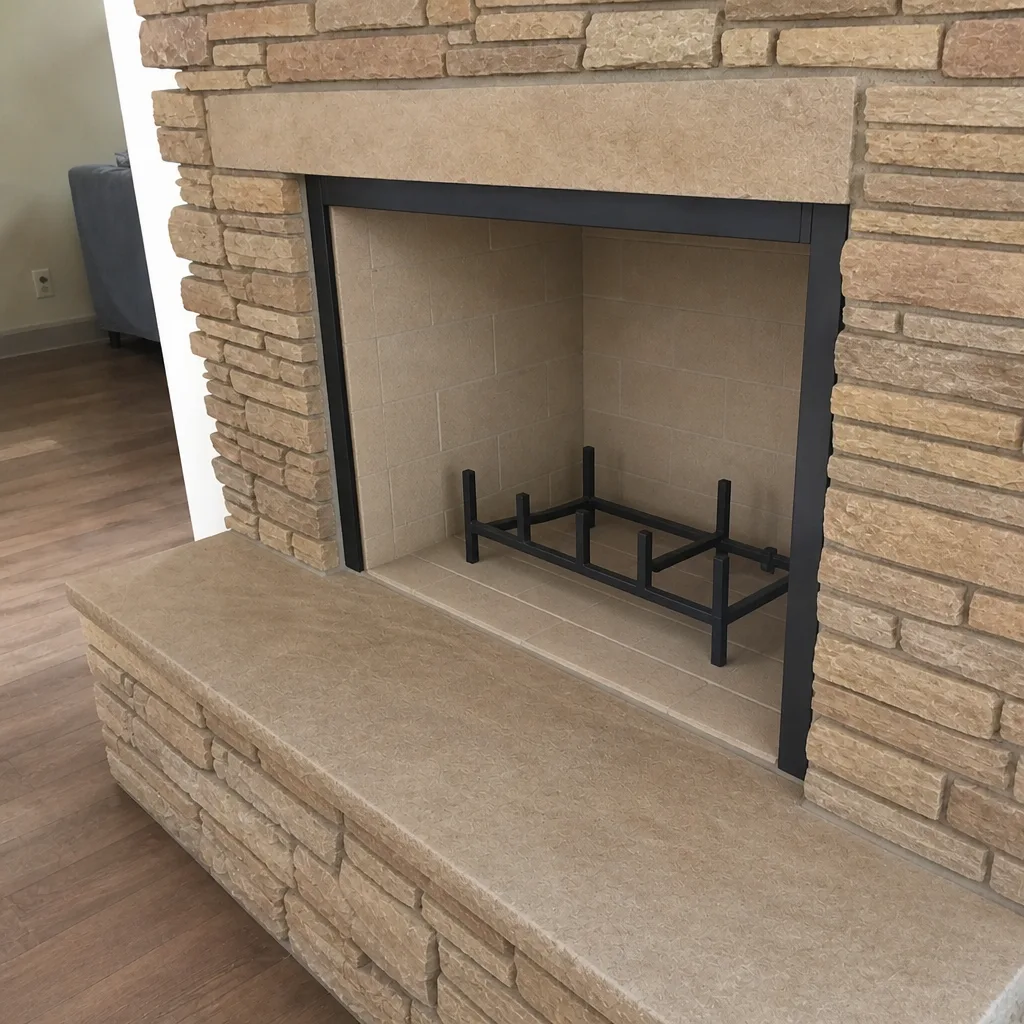
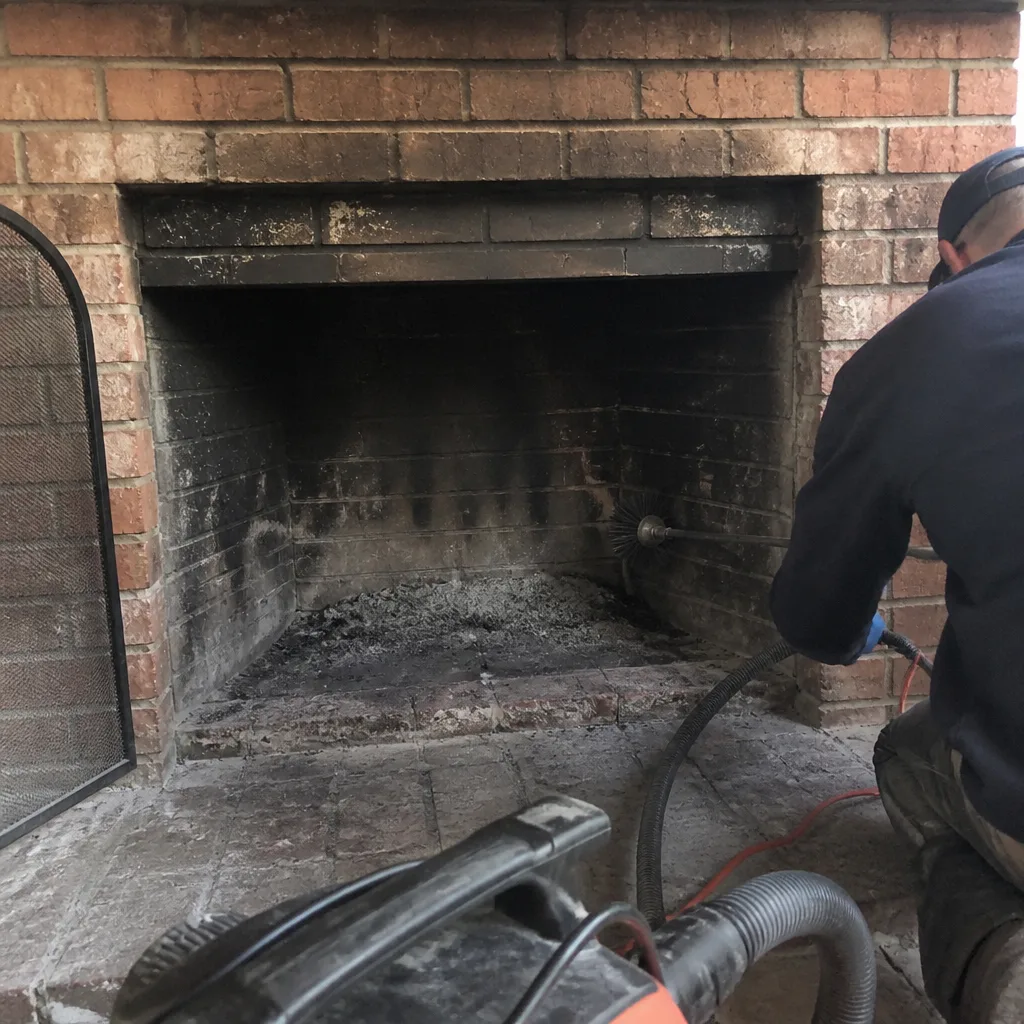
See the difference
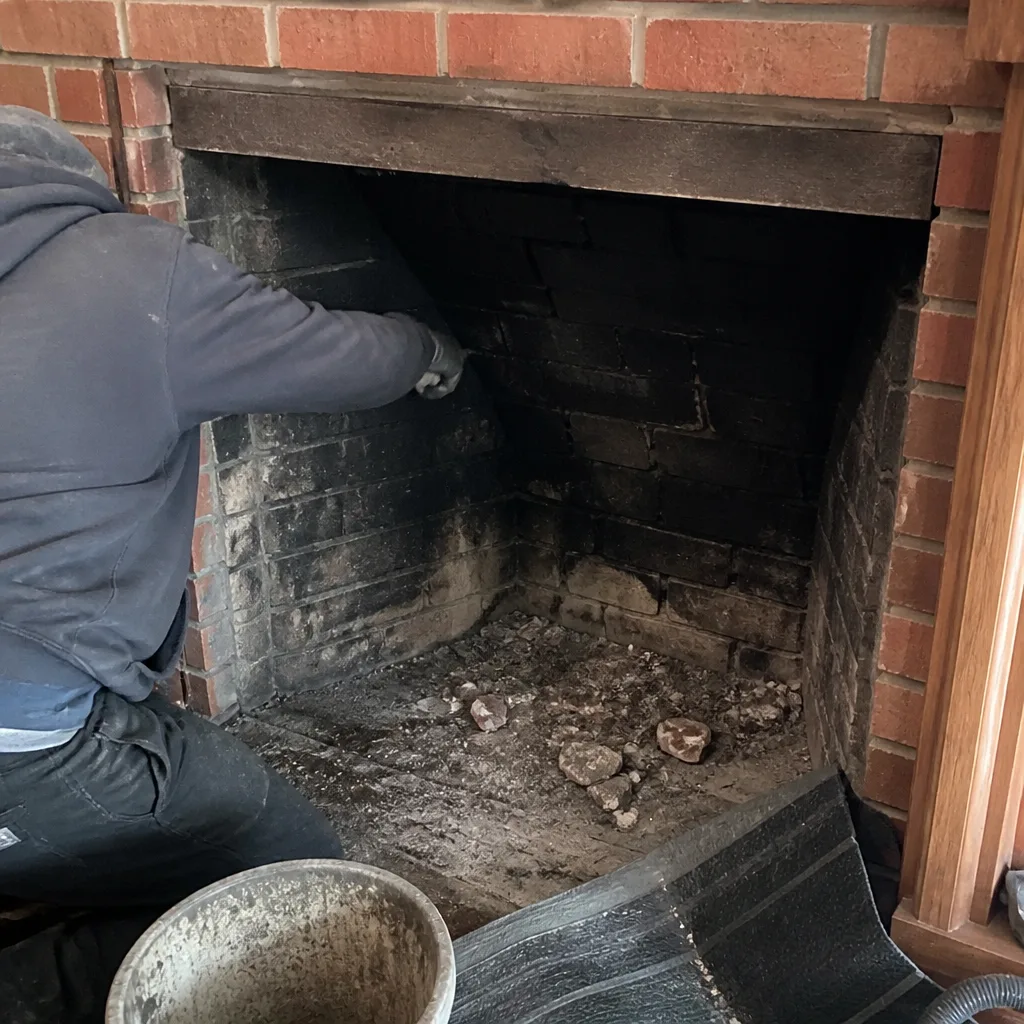 Before
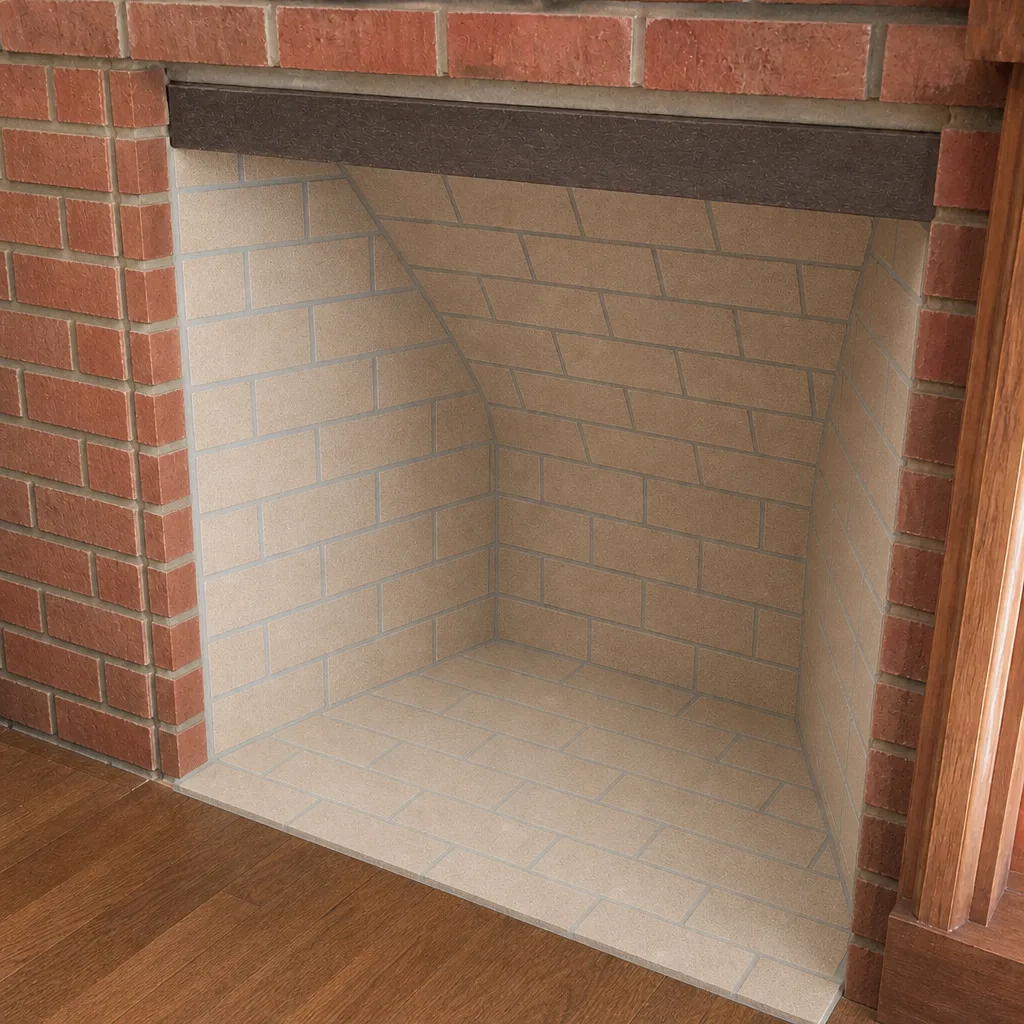 After
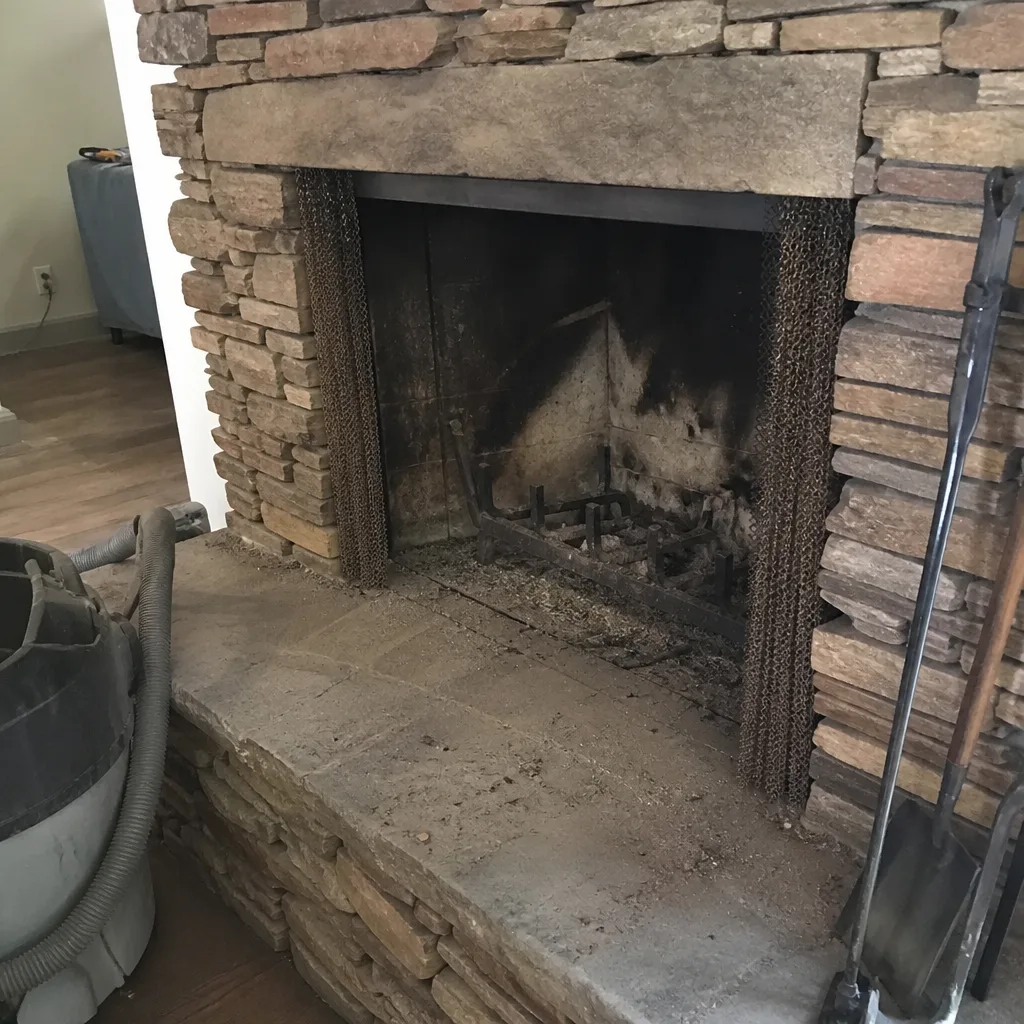 Before
 After
 Before
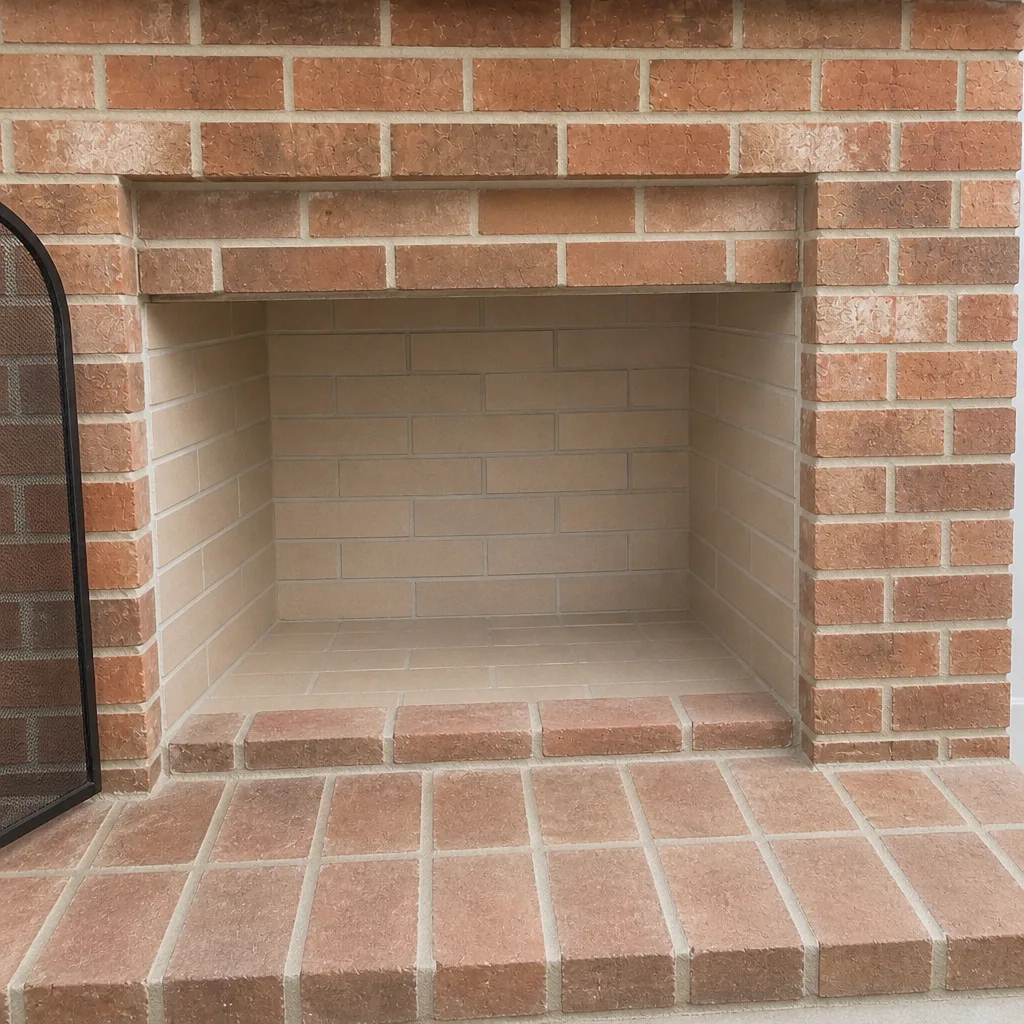 After
When to Call a Professional
Some chimney tasks are annual and routine; others need a trained eye. Call a professional when you find a cracked or crumbling crown, spalled brick, or crumbling mortar joints after winter. Call when the flue shows heavy, glazed creosote rather than light flaky deposits, since that’s the kind that’s hardest to remove and most dangerous if it catches. Call if the damper won’t seal or operate, if firebrick or the firebox is cracked, or if you’ve had a chimney fire. And call when you simply want the flue and the full system inspected and you’re not sure what condition it’s in. We cover sweeping, inspection, fireplace repair, chimney repair, and cap and crown, so the specialist who cleans your chimney is qualified to repair it. Chimney Sweep Meadow Hills offers free estimates in Meadow Hills, call (855) 658-4120. We answer 24/7, with fast dispatch from 7am to 7pm, Sunday through Friday.
Frequently Asked Questions
Base it on how much cord wood you burn rather than a fixed schedule: heavy burners can need a sweep plus a mid-season check, moderate burners an annual sweep, and light users a sweep on a longer cycle as the inspection indicates. In a freeze-thaw climate, also plan a spring inspection to catch winter masonry damage, regardless of burn volume. Call (855) 658-4120 for an exact recommendation for your home, estimates are free.
Because winter is when freeze-thaw damage actually happens, and spring is the first time you can see all of it clearly. Cracks in the crown and mortar joints widen through the freeze-thaw cycles from October to April, so a spring inspection catches problems a fall inspection couldn’t have seen yet. Catching them before the next freeze keeps small repairs small.
It depends on how you burn. Hot fires with seasoned wood tend to leave lighter, flakier deposits, while cool, smoldering fires and damp wood leave heavier, glazed deposits. The shoulder-season pattern of small, cool fires also tends to leave light but repeated deposits. The glazed type is the one to watch, because it’s the most dangerous if it ignites.
Yes, if the masonry is sound and the weather is dry enough. Summer is the right window because a breathable masonry water repellent needs a dry surface and dry curing time. Address any efflorescence and its underlying water source first, then waterproof so rain and snowmelt shed off rather than soak in.
Yes. A cap keeps out rain and animals, but it doesn’t shield the crown or the flue tile from a direct hail strike. Hail can crack the crown or chip a flue tile, and those are far easier and cheaper to fix in summer than after another winter has worked on them. Summer is the ideal time for that post-hail review.
Often, yes, and we’ll tell you plainly when it can. Nothing is recommended without inspection evidence you can see for yourself, and if a repair can safely wait, we’ll say so. The one exception is heavy, glazed creosote or a cracked crown, which tends to get worse through the next freeze or burning season. Call (855) 658-4120 and we’ll tell you what can wait and what shouldn’t.
The Bottom Line
A Meadow Hills chimney doesn’t follow a single annual schedule; it follows the seasons. Fall is for confirming the flue, damper and cap before the first fire. Winter is about burn habits and wood moisture, which together determine your creosote type. Spring is the inspection that matters most, catching the freeze-thaw masonry damage winter caused. Summer is for waterproofing, efflorescence and the post-hail check. And how often you sweep depends on how much cord wood you burn, not the calendar. Match the task to the season and the system holds together year after year.
If you’d rather hand the whole cycle to one specialist, that’s exactly the work we do. Professional-grade materials like HeatShield and DuraFlex, a five-service scope that covers the complete chimney, and one inspection that tells you exactly what your chimney needs and what it doesn’t. Call (855) 658-4120 for a free estimate. We answer 24/7, with fast dispatch from 7am to 7pm, Sunday through Friday. You can also start at Chimney Sweep Meadow Hills.
Written by the team at Chimney Sweep Meadow Hills.