
Last updated November 23, 2026
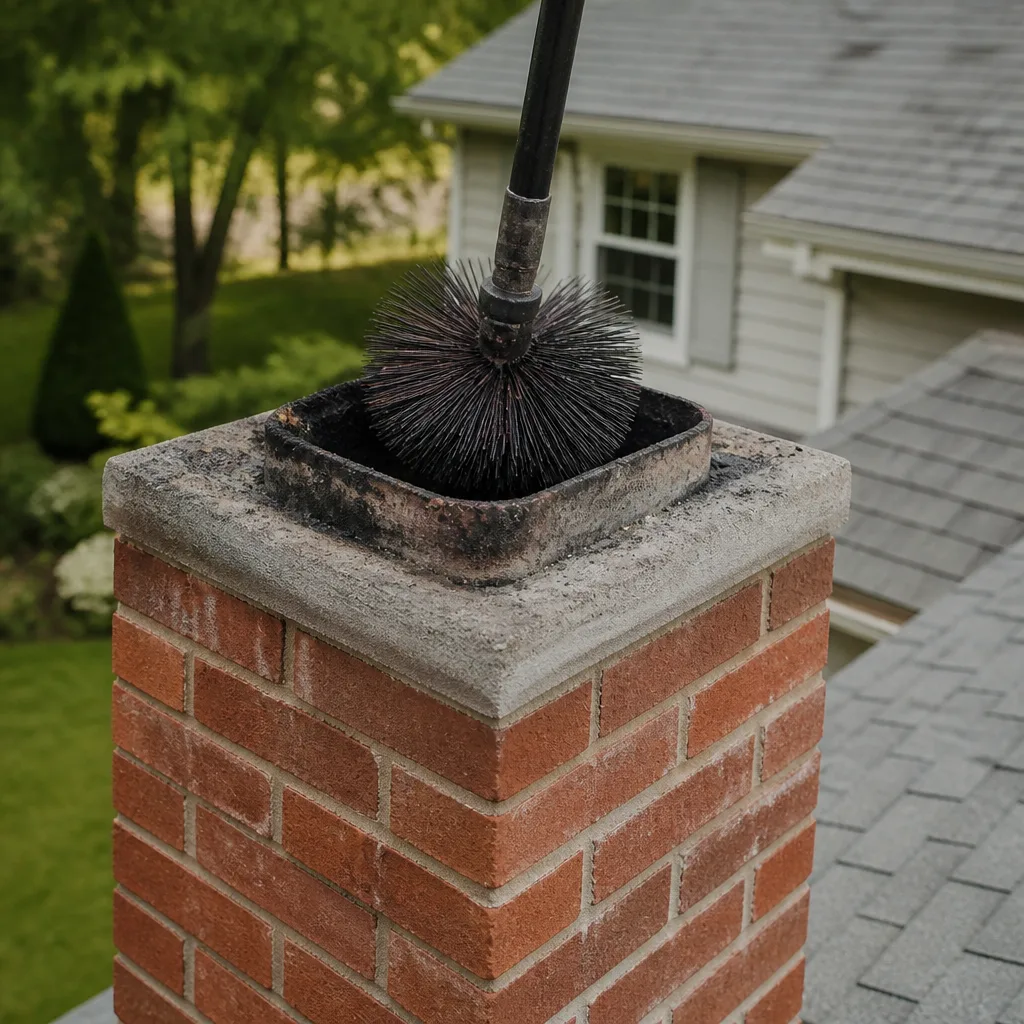 Sweep & inspection
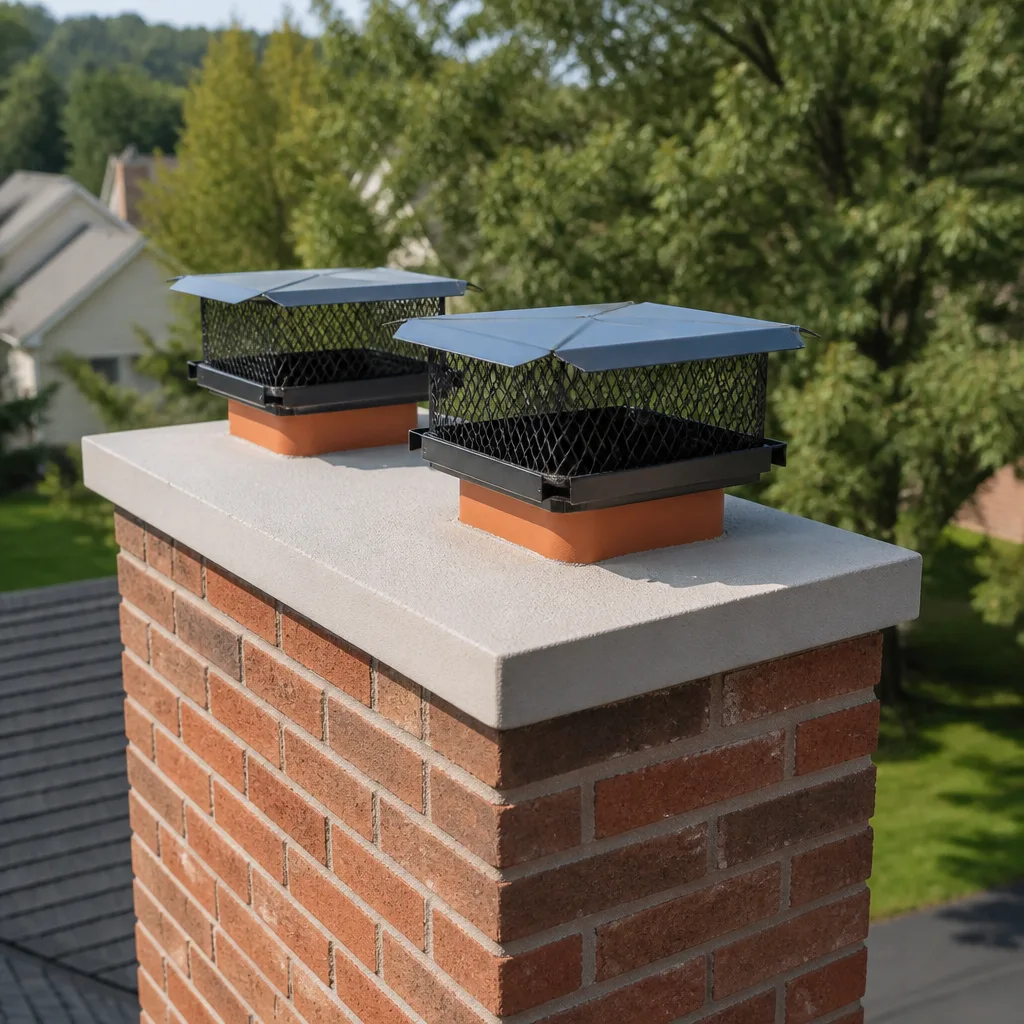 Caps & crowns
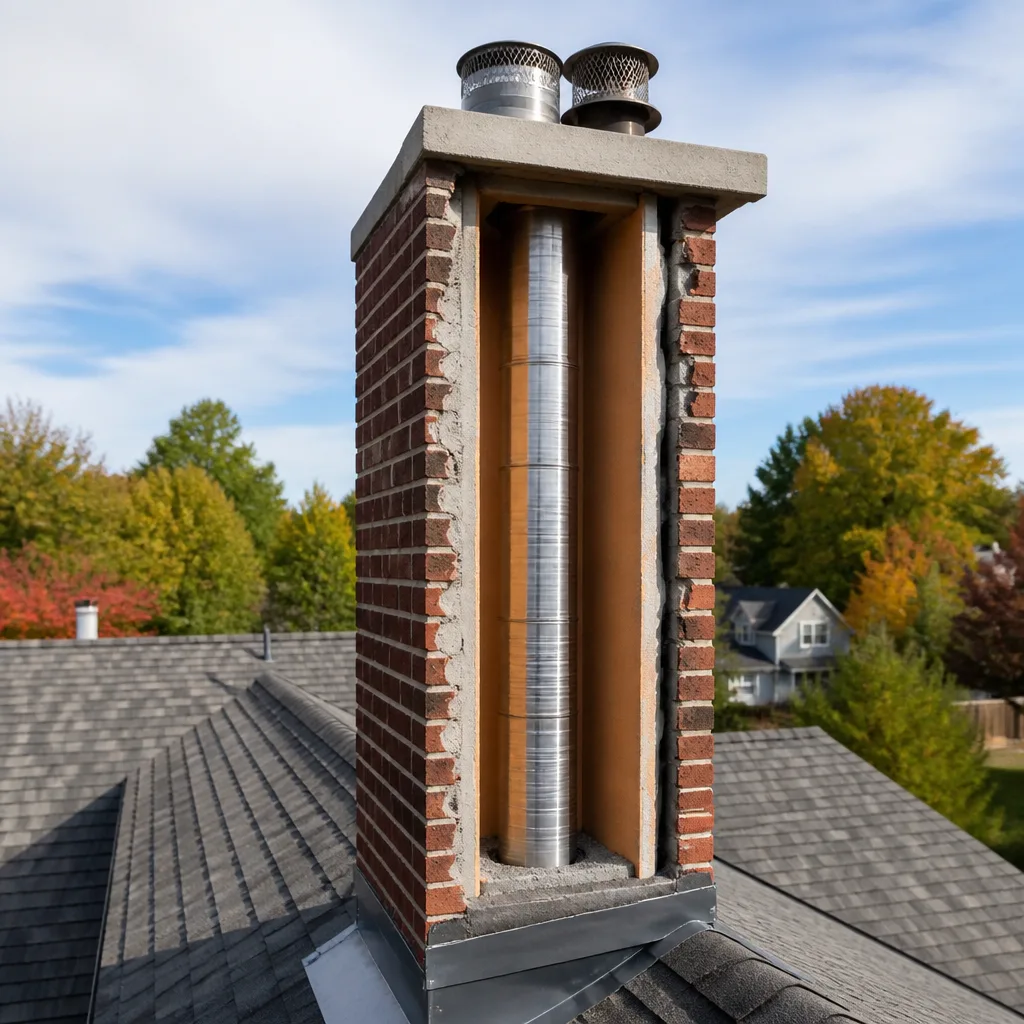 Flue relining
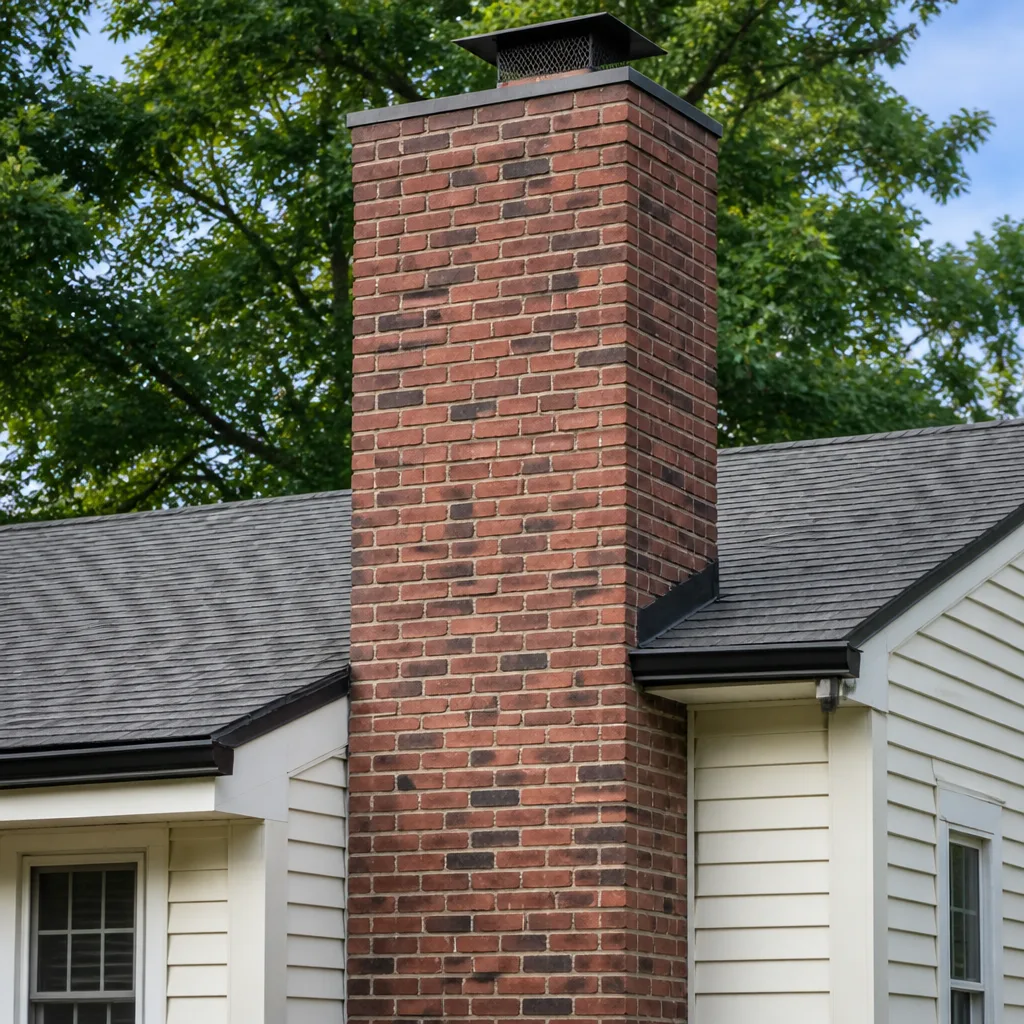 Masonry repair
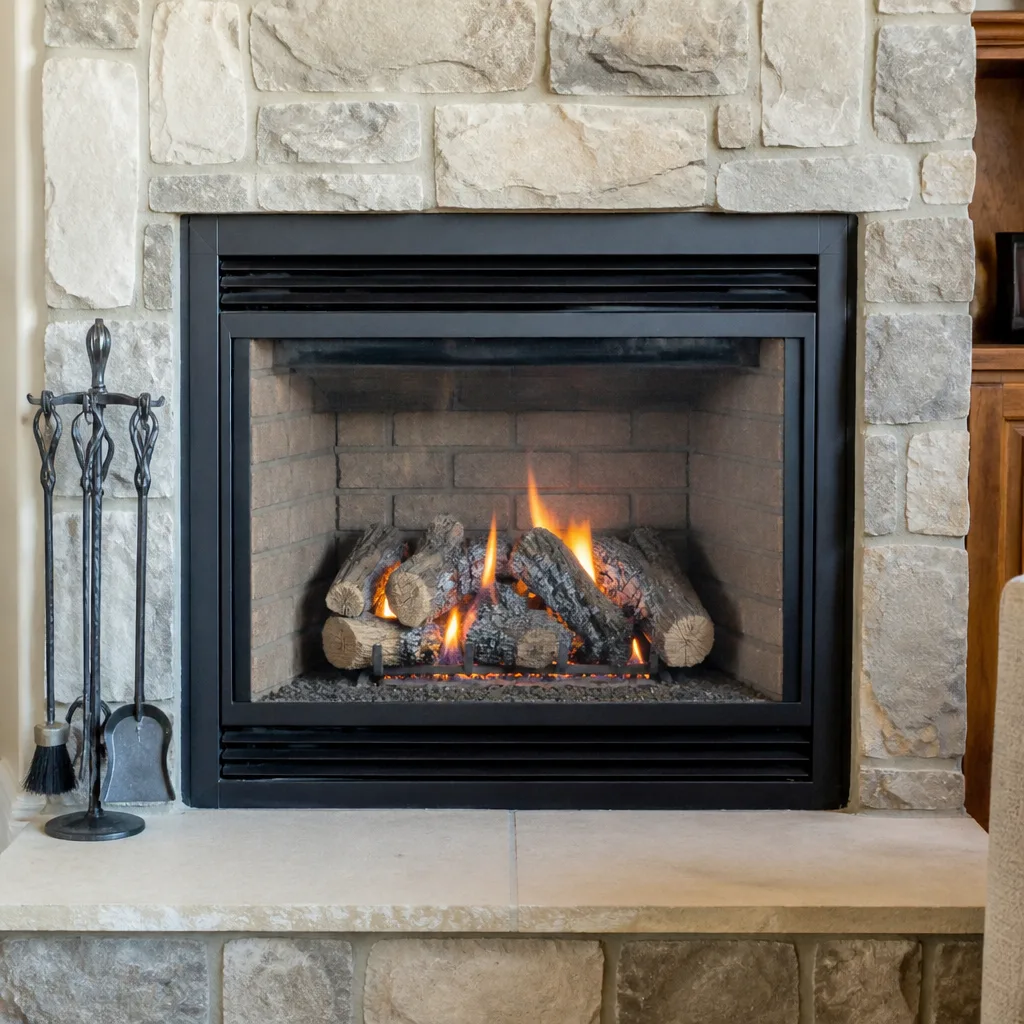 Gas fireplace service
Level 1 sweep and inspection to the NFPA 211 annual standard - flue, crown, cap, and flashing checked and photographed
Chimney sweep logs do not sweep chimneys. They loosen some creosote - which then falls where a brush and vacuum still have to collect it.
Chimney Sweep Maintenance Checklist for Meadow Hills Homeowners
The one part of a chimney most Meadow Hills homeowners never think to check is the part that fails first: the crown. It’s a concrete cap at the top of the masonry stack, and it takes the full brunt of freeze-thaw cycling every winter. Hairline cracks open, water slips in, and the damage works its way down through the brick for seasons before anything shows up inside the firebox. By the time a stain appears on the ceiling, the repair has moved well beyond a cleaning. This checklist walks you through what to examine and when, month by month, so the small, cheap fixes stay small and cheap.
Quick Answer
A chimney maintenance checklist for a Meadow Hills home should cover four seasons of tasks: a professional inspection and sweep before heating season starts, monthly visual checks from the ground during the burn months, a post-season look at the crown and flashing once the snow clears, and a log of fuel type and burn frequency so your sweep can set the right cleaning interval. Homeowners can safely check the exterior, cap, and firebox visually. Anything involving the flue interior, the liner, or the roof requires a camera and a trained professional.
Styles & brands we work with
- Sweep & inspection
- Caps & crowns
- Flue relining
- Masonry repair
- Gas fireplace service
Table of Contents
- How a Chimney in Meadow Hills Actually Wears Out
- Pre-Season Checklist: Before the First Fire
- Mid-Season Checklist: Monthly While You’re Burning
- Post-Season Checklist: What to Check After Winter
- What You Can Inspect Yourself vs. What Needs a Camera
- Ground-Level Signs of Crown, Brick, and Flashing Failure
- Keeping a Burn Log That Actually Helps Your Sweep
- Maintenance That Protects Component Warranties
How a Chimney in Meadow Hills Actually Wears Out
A chimney is a system, not a hole in the wall. It moves hot gas up and out, sheds water off its exterior, and manages the pressure difference between the firebox and the outdoors. Every part of that system has a failure mode, and those failure modes are shaped by local conditions. Meadow Hills sits at elevation, which matters more than most homeowners realize: the thinner air up here means a fire can draft differently than it would at sea level, and combustion appliances work against a lower atmospheric pressure. Add a Front Range winter that swings between hard freezes and warm afternoons and you get a masonry stack that expands, contracts, and cracks on a schedule.
The pattern we see most often in Meadow Hills follows a predictable arc. Water gets into a hairline crown crack in winter. It freezes, expands, and widens the crack. Spring melt pushes moisture deeper into the brick. By the following winter, the face of the brick is spalling, and the mortar joints are eroding. None of that shows up in the living room right away. It shows up years later as a loose brick, a rusted damper, or a liner that’s absorbed enough moisture to degrade.
Creosote is the other half of the equation. How fast it builds depends on what you burn, how hot you burn it, and how often. A homeowner burning well-seasoned hardwood in a hot fire gets a very different buildup than someone running a damper choked down low with green wood. That’s why the checklist includes a burn log. Without one, your sweep is guessing at the cleaning interval. With one, they can calibrate it accurately.
Gas fireplaces and inserts follow a different wear pattern. There’s no creosote to speak of, but the venting, the cap, and the firebox still need attention. A gas unit that vents through an existing masonry chimney can deposit corrosion on the flue interior, and a blocked or damaged cap lets water and animals in the same way it would on a wood-burning stack. Our Chimney Sweep Meadow Hills service covers both fuel types because the checklist differs but the attention doesn’t.
Pre-Season Checklist: Before the First Fire
The pre-season window is the most important one on the calendar. Ideally you complete this checklist in late summer or early fall, before you strike the first match of the season. In Meadow Hills that means before the first cold snap, not after it. Here’s the order that makes sense.
- Book a professional sweep and inspection. This is the anchor task. A trained sweep removes creosote from the flue and inspects the full system from the firebox to the cap. Do this before anything else on the list so you know what condition the chimney is actually in.
- Look at the crown from the ground. You don’t need a ladder. Use binoculars from your yard and check for cracks, missing chunks, or a crown that’s pulling away from the flue tile. Note anything that looks off and mention it when the sweep arrives.
- Check the cap and spark screen. The cap keeps rain, birds, and squirrels out of the flue. A loose cap or torn screen is a common and inexpensive fix when caught early. Our chimney cap & crown service handles both the cap and the concrete crown underneath, which is where the real water intrusion usually starts.
- Open the firebox and look up. With a flashlight, look at the damper and the smoke chamber above it. You’re checking for rust, sagging, or heavy soot. A rusted damper that won’t seal is a draft problem waiting to happen.
- Inspect the firebox walls. Hairline cracks in firebrick are normal. Cracks wide enough to catch a fingernail, or missing mortar between bricks, need a professional look. Fireplace repair is often the difference between a safe fire and a dangerous one.
- Clear the hearth area. Nothing combustible within a few feet of the firebox opening. This isn’t a chimney task, but it belongs on the seasonal checklist.
- Test your smoke and carbon monoxide detectors. A chimney that drafts properly keeps combustion gases going up and out. A blocked or damaged flue can send carbon monoxide back into the living space, and your detector is the backstop that catches what the chimney doesn’t.
If the sweep finds a problem during the inspection, you want the repair done before winter, not in the middle of it. That’s where having one company that handles both cleaning and structural repair pays off. The same specialist who swept the flue is the one who spots the cracked crown and can fix it, rather than handing you off to a separate repair crew.
Mid-Season Checklist: Monthly While You’re Burning
Once you’re burning, the checklist shifts from preparation to monitoring. These are monthly tasks that take ten minutes and catch problems while they’re still small. In Meadow Hills, where a chimney can go from cold to hot to cold again several times in a single week, these checks matter more than the calendar suggests.
- Look at the cap and crown. A quick visual from the ground tells you if snow, ice, or a winter wind has loosened the cap or opened a new crack.
- Check for smoke backing into the room. Smoke that rolls out of the firebox instead of rising up the flue is a draft problem. It might be a cold flue, a closed damper, or a blockage. If it happens more than once, call a professional.
- Note the color and smell of the smoke. Dense, dark smoke from the chimney top means incomplete combustion. That’s harder on the flue and it builds creosote faster.
- Listen for unusual sounds. A rattle or scrape from the flue can be an animal, a loose damper, or a piece of masonry that’s come loose. Don’t ignore it.
- Watch for water stains. Any discoloration on the ceiling, in the attic, or on the chimney breast is a water problem, and it usually traces back to the crown or the flashing at the roof line.
- Update your burn log. Note what you burned, how much, and how hot. This is the piece most homeowners skip, and it’s the one that lets your sweep set the right cleaning interval next season.
If the fire ever fails to draft, or you smell gas, or a carbon monoxide detector goes off, stop burning immediately and get the chimney looked at. These are not the kinds of findings to sit on. The dangerous part of a chimney isn’t the soot you can see. It’s the invisible combustion gas and the creosote that can ignite if it builds up too thick. Neither is a do-it-yourself fix. A trained professional with the right tools is the only safe answer here.
Post-Season Checklist: What to Check After Winter
Spring is when the winter’s damage becomes visible. The freeze-thaw cycle has done its work, the snow has melted, and the mistakes of the season are on display. This is the checklist that catches expensive problems before they compound through the summer.
- Inspect the crown again. Cracks that opened over winter are easiest to see in spring light. Look for spiderweb cracks radiating from the flue tile, chunks that have separated from the stack, or a crown that’s clearly tilting.
- Walk the brick and look for spalling. Spalling is when the face of the brick flakes off and leaves a rough, crumbling surface. It’s a sign moisture is getting into the masonry and freezing. Catching it early is the difference between repointing and rebuilding.
- Check the flashing where the chimney meets the roof. This is the metal or membrane that seals the joint between the chimney and the shingles. Failed flashing shows up as a dark streak on the siding or a wet spot inside the attic. It’s a chimney problem, not just a roofing problem.
- Look at the mortar joints. Recessed or crumbling mortar between bricks means the joints need repointing. This is normal wear on a masonry chimney, and it’s routine maintenance when done on schedule.
- Book a sweep if you burned through the winter. Most homeowners get an annual cleaning. If you burned heavily or used unseasoned wood, you may need it more often.
- Have a professional reassess the liner. A camera inspection confirms whether the flue lining survived the winter intact. This is where the difference between a sweep-only company and a full-service specialist becomes useful. We work with HeatShield liner resurfacing and DuraFlex flexible liner systems, so if the liner needs attention, we have a path forward that doesn’t require tearing out the masonry.
Post-season is also when you decide whether the chimney needs a repair now or can wait. Not every finding is urgent. A hairline crack in the crown can be sealed strategically, and a small amount of spalling can be monitored. What we don’t want is for a repair that should have been done in May to be discovered in October.
What You Can Inspect Yourself vs. What Needs a Camera
Homeowners can do a lot of useful chimney checking without tools. They can’t do everything, and knowing the line matters. Here’s a clear split.
What you can safely inspect on your own:
- The exterior of the stack from the ground with binoculars. Crown, brick faces, mortar joints, cap, and flashing are all fair game.
- The firebox interior with a flashlight. Look at the firebrick, the damper, and the smoke chamber above the damper.
- The hearth area for clearance and combustibles.
- The ceiling, attic, and chimney breast for water stains or drafts.
- Your smoke and carbon monoxide detectors.
What requires a trained professional:
- Anything inside the flue. You can’t see the flue lining, the smoke chamber, or the upper flue from the firebox without a camera. This is the part that matters most for fire safety.
- The roof line and the flashing detail up close. Walking a roof is dangerous, and diagnosing flashing without the right background misreads the evidence.
- The cap and crown from above. Checking them from the ground catches obvious problems, but confirming whether the crown is actually sealed requires getting to it.
- Any structural repair, liner work, or firebox rebuild.
The line is simple: if it’s inside the flue or on top of the roof, it’s a professional’s job. If it’s from the ground or from the firebox floor, you can check it. A chimney inspection with a camera tells you exactly what your chimney needs and what it doesn’t, and you can see the photos yourself. That’s the reason to prefer a camera inspection over a verbal report. If a sweep tells you the liner is failing, you want to see the evidence, not take it on faith.
One more piece of the DIY-versus-pro split: safety. If you’re ever tempted to climb onto the roof or take apart part of the chimney to look inside, don’t. Steep roofs are genuinely dangerous, and chimney components are heavier and more fragile than they look. The cost of a professional inspection is a fraction of the cost of an emergency room visit.
Ground-Level Signs of Crown, Brick, and Flashing Failure
A lot of serious chimney damage announces itself from the yard if you know what to look for. Binoculars help. Here are the specific signs to scan for on a Meadow Hills stack, and what each one usually means.
- Crown cracks radiating from the flue tile. These are the most common early warning sign. Water follows them into the masonry, freezes, and expands. If you can see a crack from the ground, it’s probably been there for a while.
- Crumbling or missing mortar between bricks. Recessed joints that look like shallow grooves, or joints where the mortar has fallen away entirely. This is a repointing job when caught early.
- Flaking or pitted brick faces. Spalling brick looks rough and chalky on the surface. It’s the freeze-thaw cycle peeling the face off one flake at a time.
- A white or gray stain on the brick. This is efflorescence, minerals left behind when moisture evaporates out of the masonry. It tells you water is moving through the brick.
- Rust stains. Rust streaks below a flashing or cap usually mean the metal is corroding because water has been sitting against it.
- A dark streak on the siding below the roofline. This often means the flashing at the chimney-to-roof joint has failed and water is running down the exterior.
- A tilted or leaning cap. A cap that doesn’t sit square is a wind or freeze problem, and it’s an entry point for water and animals.
- Missing pieces of the crown. A crown that’s missing a chunk is no longer shedding water off the stack. Every rainfall is now soaking into the masonry.
When we see a crown issue, the fix isn’t always to rebuild the crown. Sometimes the crown can be sealed or resurfaced, and sometimes it needs to be poured new. The right answer depends on the extent of the damage. What matters is catching it before the water has soaked down to the firebox. If you’re not sure what you’re seeing, a professional inspection settles it quickly and tells you what does and doesn’t need work.
Keeping a Burn Log That Actually Helps Your Sweep
The single most useful thing a homeowner can bring to a sweep appointment is a record of what they burned and how often. Most homeowners don’t keep one, and most sweeps work around it. Here’s why it matters and what to log.
Creosote buildup isn’t uniform. It depends on the fuel, the moisture content of the wood, how hot the fire runs, and how much air the damper allows. A homeowner who logs that information gives their sweep a calibration tool. A sweep who knows a Meadow Hills home burned green wood with the damper choked down all winter knows to check the flue more carefully and possibly recommend a shorter cleaning interval.
What to log:
- Fuel type. Hardwood, softwood, pressed logs, or gas. Each builds a different residue.
- Approximate moisture content. If you’re buying wood, ask whether it’s seasoned. Log the answer.
- Number of fires and approximate duration. A rough count is fine. Two cords of wood through the winter is a useful data point.
- Damper habits. Did you typically burn with the damper fully open, partially closed, or varied?
- Anything unusual. Smoke rolling into the room, a smell you didn’t recognize, a fire that wouldn’t draft. These are the notes that turn into diagnostic clues.
Keep the log in a small notebook near the fireplace, or on your phone. It doesn’t need to be precise. A sentence per fire is plenty. When the sweep arrives, hand it over. The result is a cleaning interval tuned to how you actually burn, not a generic once-a-year assumption. It’s a small habit that makes the annual sweep more useful.
Maintenance That Protects Component Warranties
If your chimney has been relined, had a new cap installed, or had a crown poured recently, some of what’s on this checklist is actually a warranty requirement, not just good practice. The distinction between a maintenance task that protects your warranty and one that’s purely cosmetic matters when something fails and you need the manufacturer to stand behind a part.
Tasks that typically protect component warranties:
- Annual professional inspection and cleaning of a lined flue. Most liner manufacturers specify it, and skipping it is a common reason a claim gets denied.
- Prompt repair of water intrusion at the crown or flashing. If water gets behind a newly installed component, most manufacturers will point to that as the cause of failure.
- Using compatible materials for repairs. This is where working with professional-grade brands matters. When a liner is resurfaced with HeatShield or relined with a DuraFlex system, the surrounding repairs need to be compatible with that system. Hardware-store patch material can void a component warranty even when the work looks finished.
- Keeping records. An inspection report with a date is worth more than a verbal “it looked fine” if you ever file a claim.
Tasks that are mostly cosmetic:
- Repainting or sealing the exterior of the stack. It looks better and can slow moisture absorption, but it doesn’t typically affect a liner or cap warranty.
- Replacing a spark screen. Useful, but not a warranty item.
- Repointing mortar joints that are only mildly recessed. Cosmetic until the joints actually fail.
If you’ve had chimney work done in Meadow Hills recently, ask the installer which specific maintenance tasks are required to keep the warranty in force. The answer is different for a DuraFlex liner than it is for a poured crown. Knowing it ahead of time takes the guesswork out of the annual checklist. And when the repair work is done by the same specialist who handles the inspection, the record stays in one place.
Common Mistakes to Avoid
- Waiting until the first cold snap to book a sweep. The pre-season window is late summer and early fall. Booking after the first cold night means waiting in a longer line, and Meadow Hills winters don’t wait.
- Judging the chimney only from the inside. Creosote visible in the firebox is only part of the story. The crown, the flashing, and the exterior brick can all be failing while the firebox looks fine.
- Burning unseasoned wood because it’s cheaper. Green wood burns cool, builds creosote faster, and contributes to the exact problem the rest of this checklist is designed to prevent. Ask your wood supplier about seasoning before you buy.
- Skipping the crown check because it’s “just a cap.” The crown is the single most common point of water intrusion on a Meadow Hills chimney. Ignoring it is the most expensive shortcut on this list.
- Signing off on liner repair without seeing the evidence. A camera inspection is standard for a reason. You should be able to look at the photos and see what the sweep sees before you authorize work.
- Using hardware-store caulk or patch material on a professionally installed component. It can void a warranty and it rarely lasts through a Front Range freeze-thaw cycle. Professional-grade materials exist for a reason.
- Not keeping any record of what you burn. Without a burn log, your sweep is guessing at the right cleaning interval. Ten minutes of logging per season makes the annual sweep far more precise.
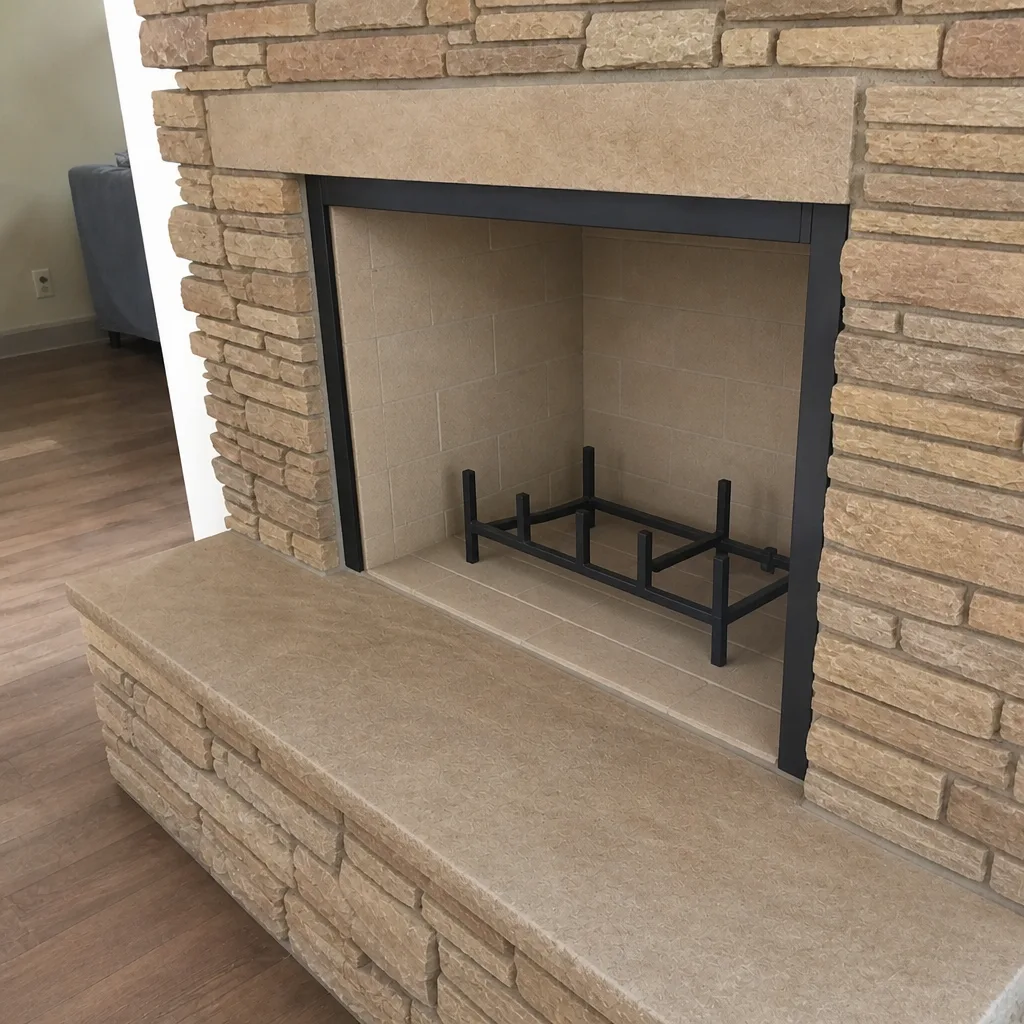
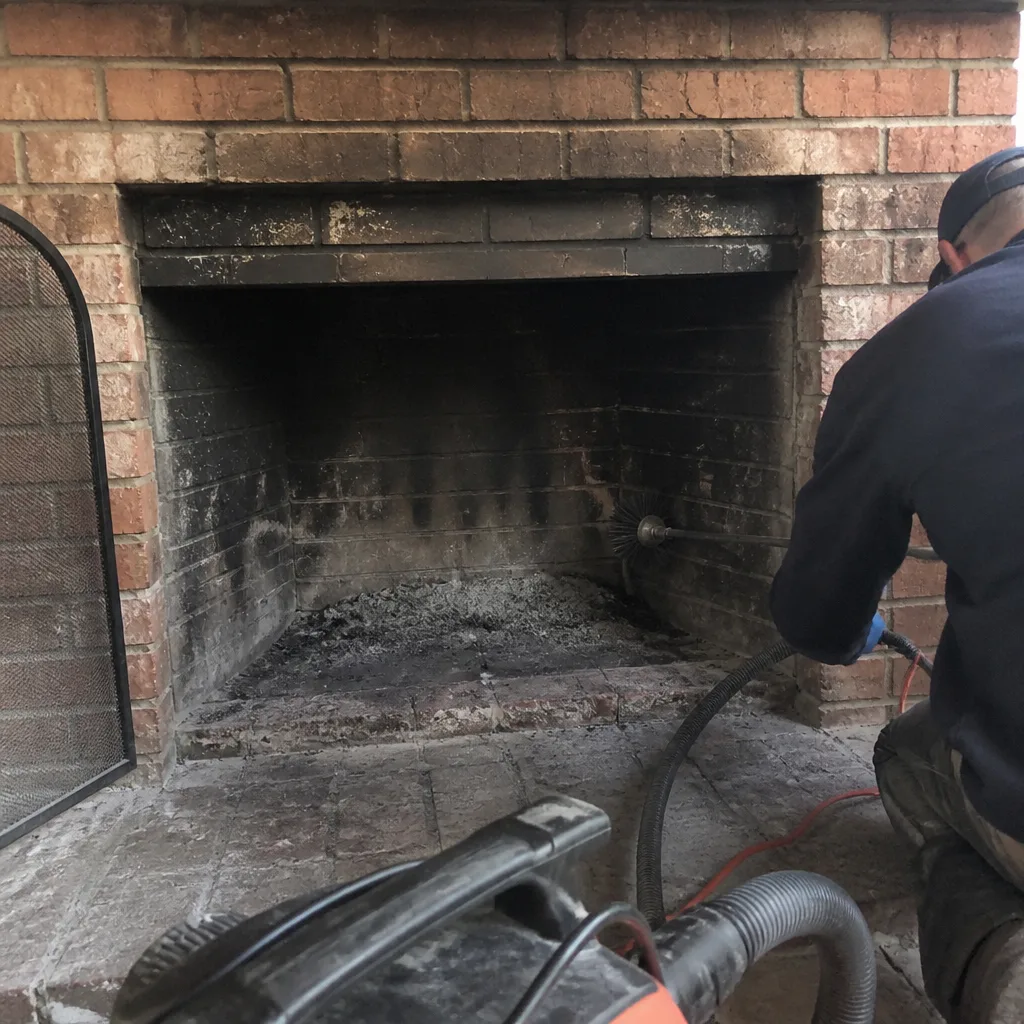
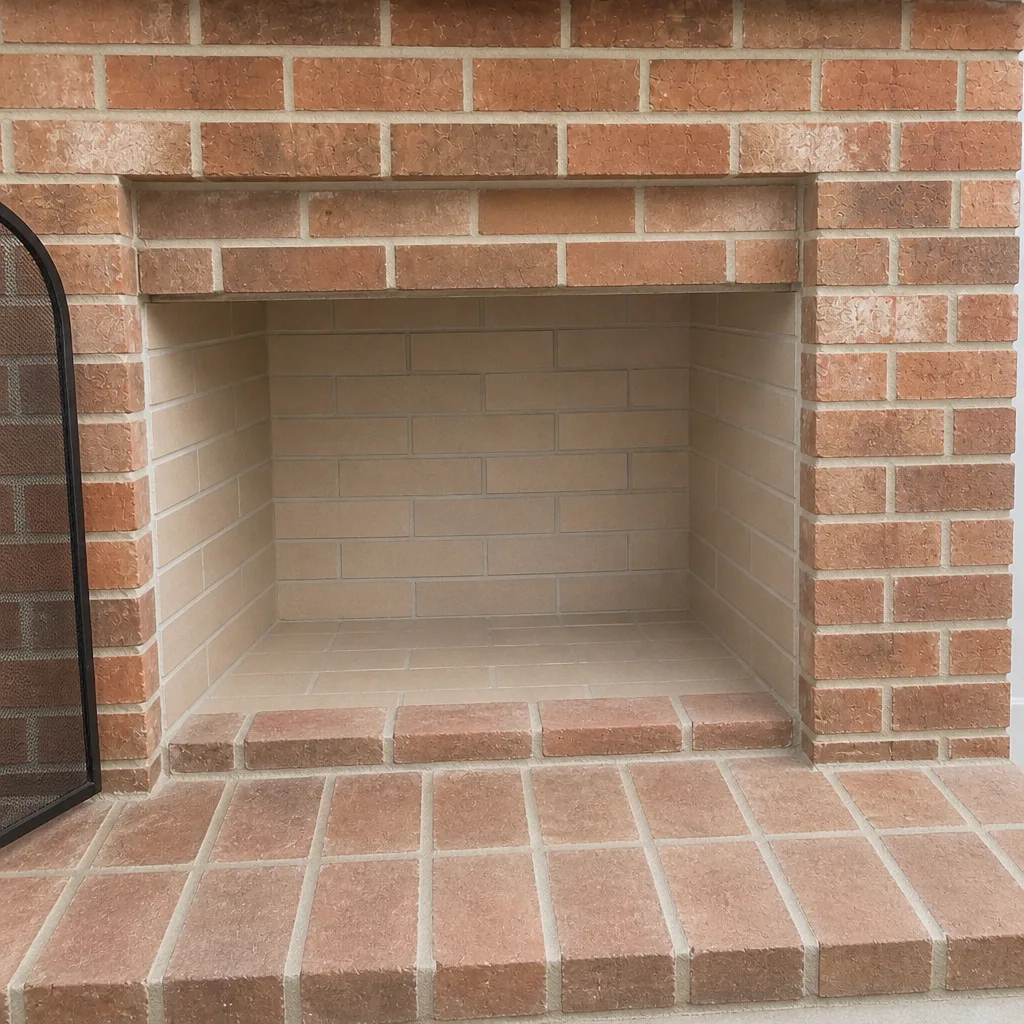
See the difference
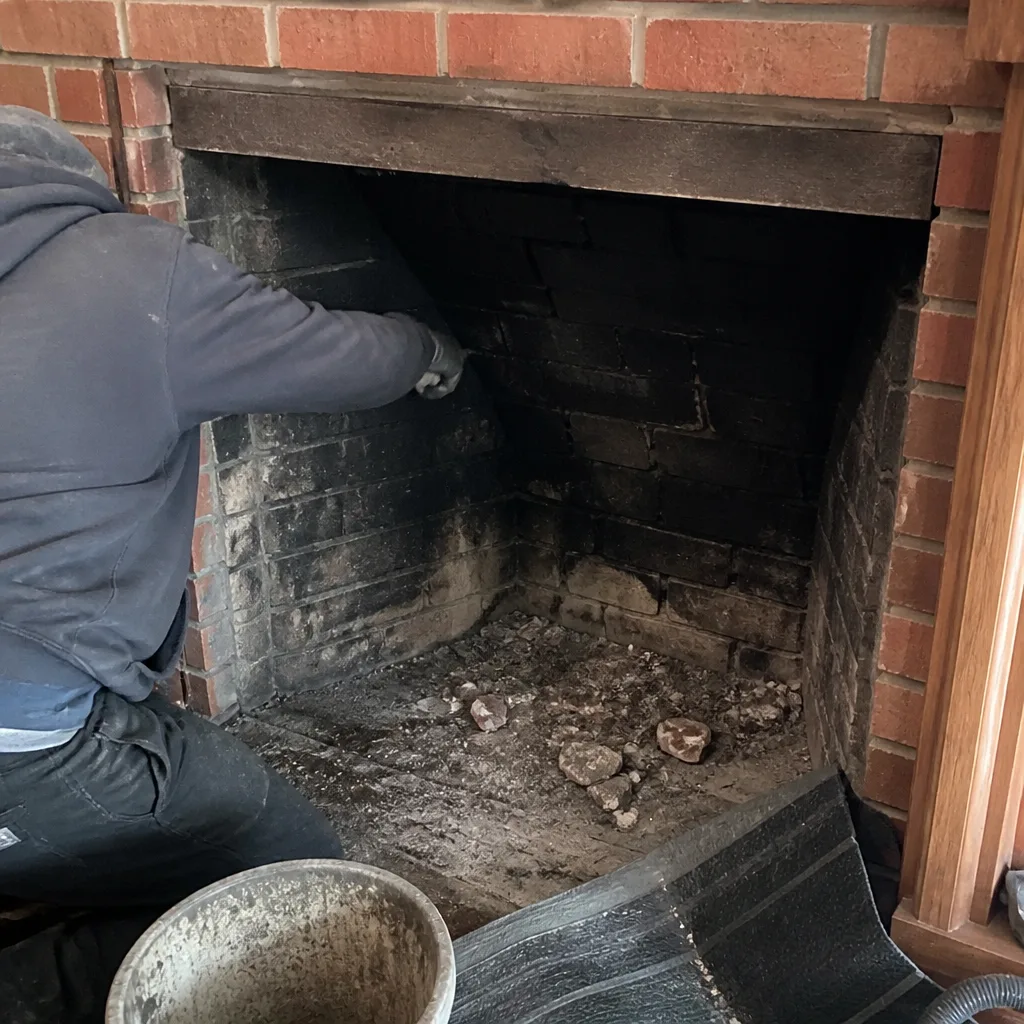 Before
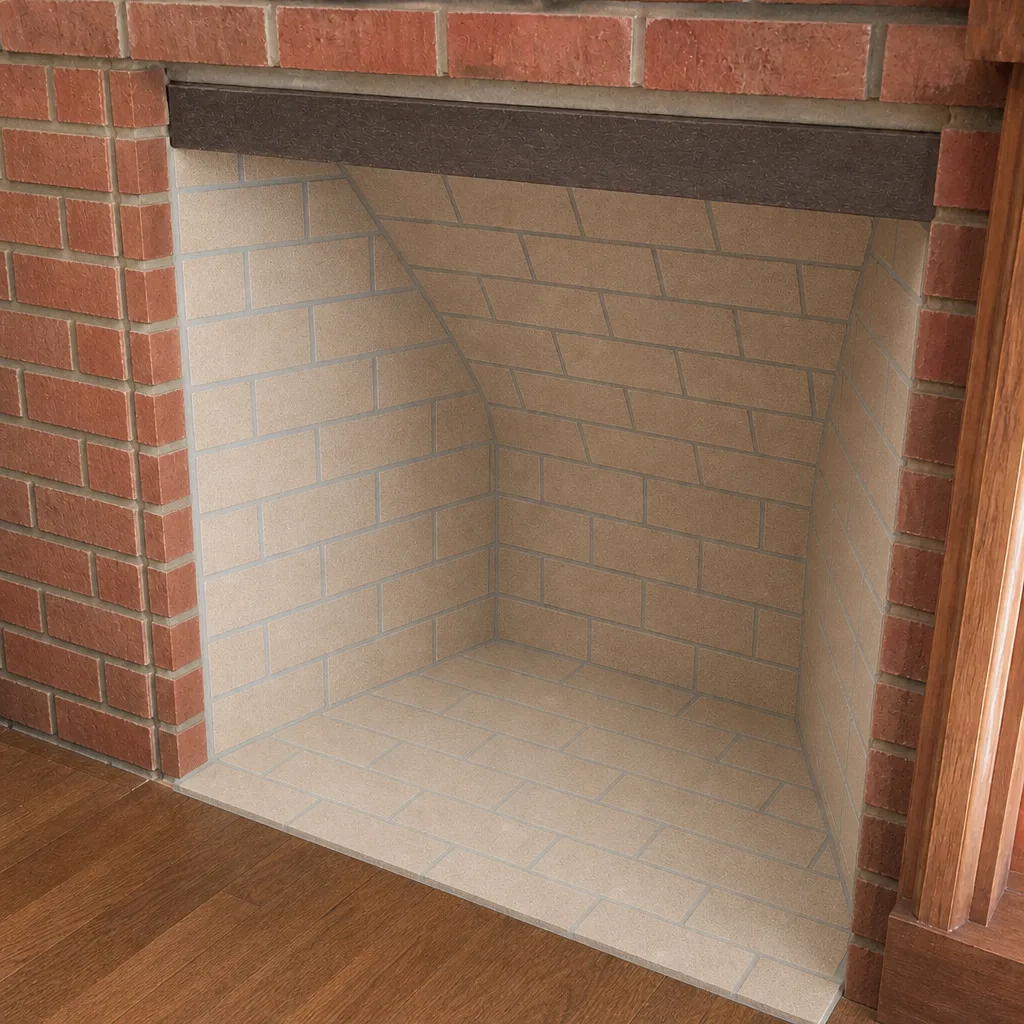 After
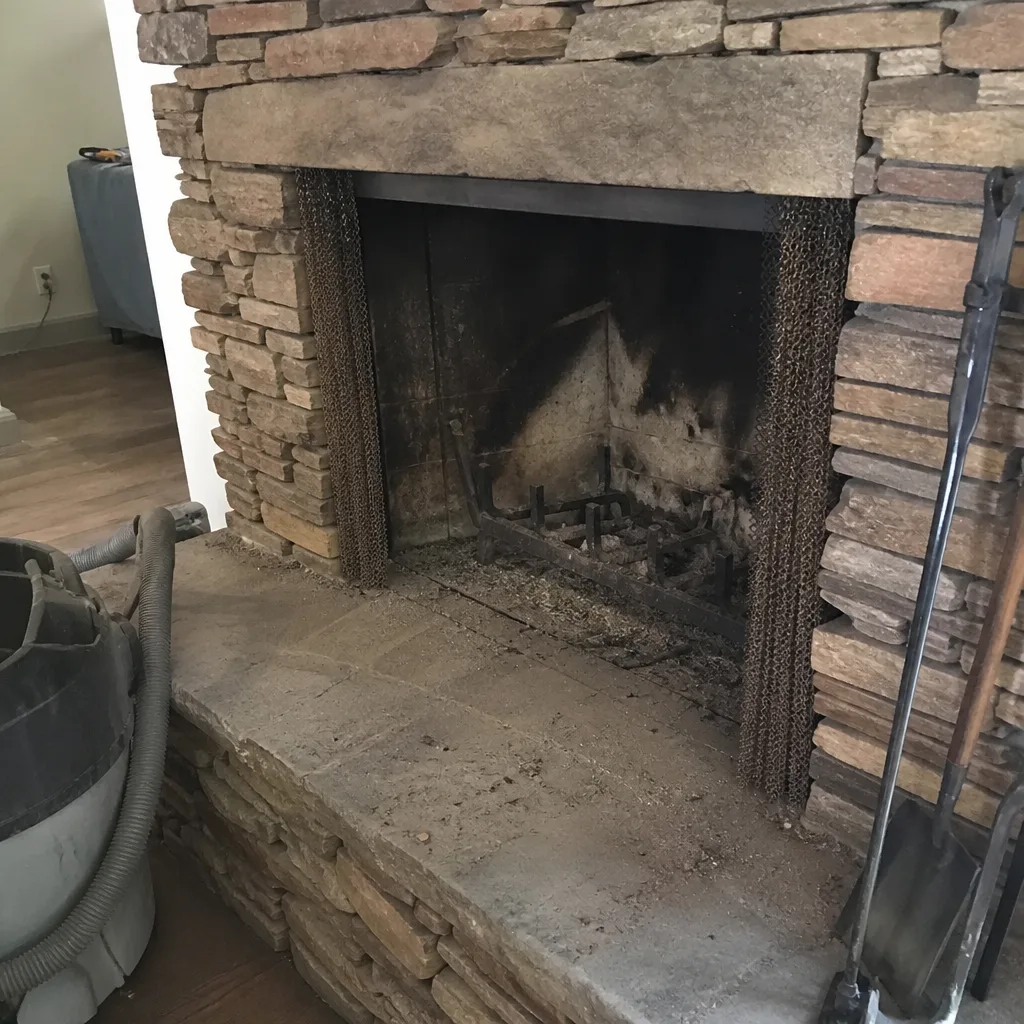 Before
 After
 Before
 After
When to Call a Professional
Some of this checklist is homemade. Some of it isn’t, and it’s worth knowing where that line sits. Call a professional if you see a crown crack that’s opened, spalling brick on the exterior, flashing failure at the roofline, or anything suggesting water is getting in. Call if smoke rolls into the room when you open the firebox, if a carbon monoxide detector goes off, or if the fire just won’t draft. Call if a fire has ever burned inside the flue or if you’re unsure when the chimney was last cleaned. And call if it’s been more than a year since the last inspection, full stop.
The reason to call rather than climb up there is safety and evidence. A steep roof is genuinely dangerous, and a visual once-over doesn’t tell you whether the flue lining is intact. A camera inspection does. Chimney Sweep Meadow Hills offers free estimates in Meadow Hills. Call (855) 658-4120 to book. We answer 24/7. Fast dispatch from 7am to 7pm, Sunday through Friday.
Frequently Asked Questions
Once a year is the baseline for most wood-burning chimneys, and more often if you burn heavily or use unseasoned wood. A homeowner who burns two cords of well-seasoned hardwood each winter and a homeowner who burns rarely both need annual attention, but the cleaning interval should be calibrated to the burn log. Bring your log to the sweep and they can tell you whether you’re on a once-a-year cycle or something tighter. Call (855) 658-4120 for an exact quote on a sweep and inspection; estimates are free.
You can safely inspect the exterior from the ground with binoculars and the firebox from the hearth. You can’t safely inspect the inside of the flue or the roof line without training, tools, and a camera. The flue interior is the part that matters most for fire safety, so an annual professional inspection is the piece you should not skip. We handle both the cleaning and the camera inspection in one visit, and we can show you the photos of what we find.
A cracked crown shows as a hairline or spiderweb crack radiating from the flue tile at the top of the stack, or as a chunk that’s separated from the crown. It matters because the crown is the roof of your masonry chimney. When it cracks, water runs into the brick and freezes, and that cycle is what turns a cheap crown repair into an expensive rebuild. It’s the single most common problem we find in Meadow Hills because of the local freeze-thaw pattern.
It depends on the condition of the original flue. HeatShield is a resurfacing system that repairs a liner that’s still structurally sound but worn. A full DuraFlex flexible liner install is the right choice when the original flue is too far gone to resurface. The camera inspection is what settles the question, and it’s why we don’t quote liner work without one. You see the photos, you understand the condition, and the recommendation follows from the evidence. Call (855) 658-4120 for an exact quote on either path; estimates are free.
Yes, because the inspection covers more than the creosote. It also checks the crown, the cap, the flashing, the liner, and the firebox, and those parts wear out even when you’re not burning. A chimney that sits unused all year still goes through freeze-thaw cycles and still takes on water if the crown has cracked. A camera inspection once a year tells you whether the system is intact, and it’s the cheapest way to catch a repair before it becomes structural.
The mild outcome is a flue that needs a more thorough cleaning than it would have. The serious outcomes are water damage to the masonry, a liner that degrades to the point of replacement instead of resurfacing, and creosote buildup that becomes a fire risk. Carbon monoxide is a real danger when a flue is blocked or damaged, and the reason to keep up with the checklist is that the early signs are cheap to fix and the late signs are not. Our chimney sweep handles the cleaning and the inspection in one visit, and we can tell you what your chimney needs and what it doesn’t. Call (855) 658-4120 for an exact quote; estimates are free.
The Bottom Line
The best chimney maintenance checklist for a Meadow Hills home is the one that treats the chimney as a system. Pre-season cleaning and inspection start the year. Monthly visual checks from the ground keep the winter honest. Post-season inspection catches the freeze-thaw damage before it compounds. A burn log tunes the cleaning interval, and a camera inspection is what tells you whether a repair is really needed. The same specialist should be able to handle the annual cleaning, the chimney cap & crown repair, and the fireplace repair when something fails, which is why we work with DuraFlex, HeatShield, Famco, and the other professional-grade brands the trade relies on. Our technicians have up to 10 years of experience, and they cover the full system from the firebox to the cap. Chimney Sweep Meadow Hills offers free estimates. Call (855) 658-4120. We answer 24/7. Fast dispatch from 7am to 7pm, Sunday through Friday.
Written by the team at Chimney Sweep Meadow Hills.