
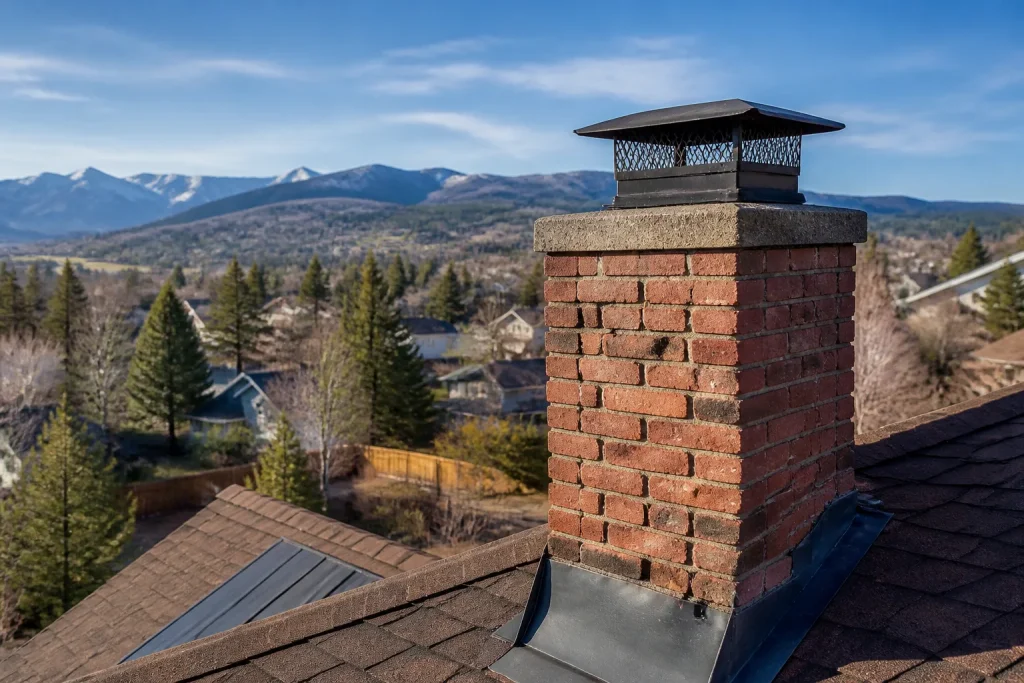
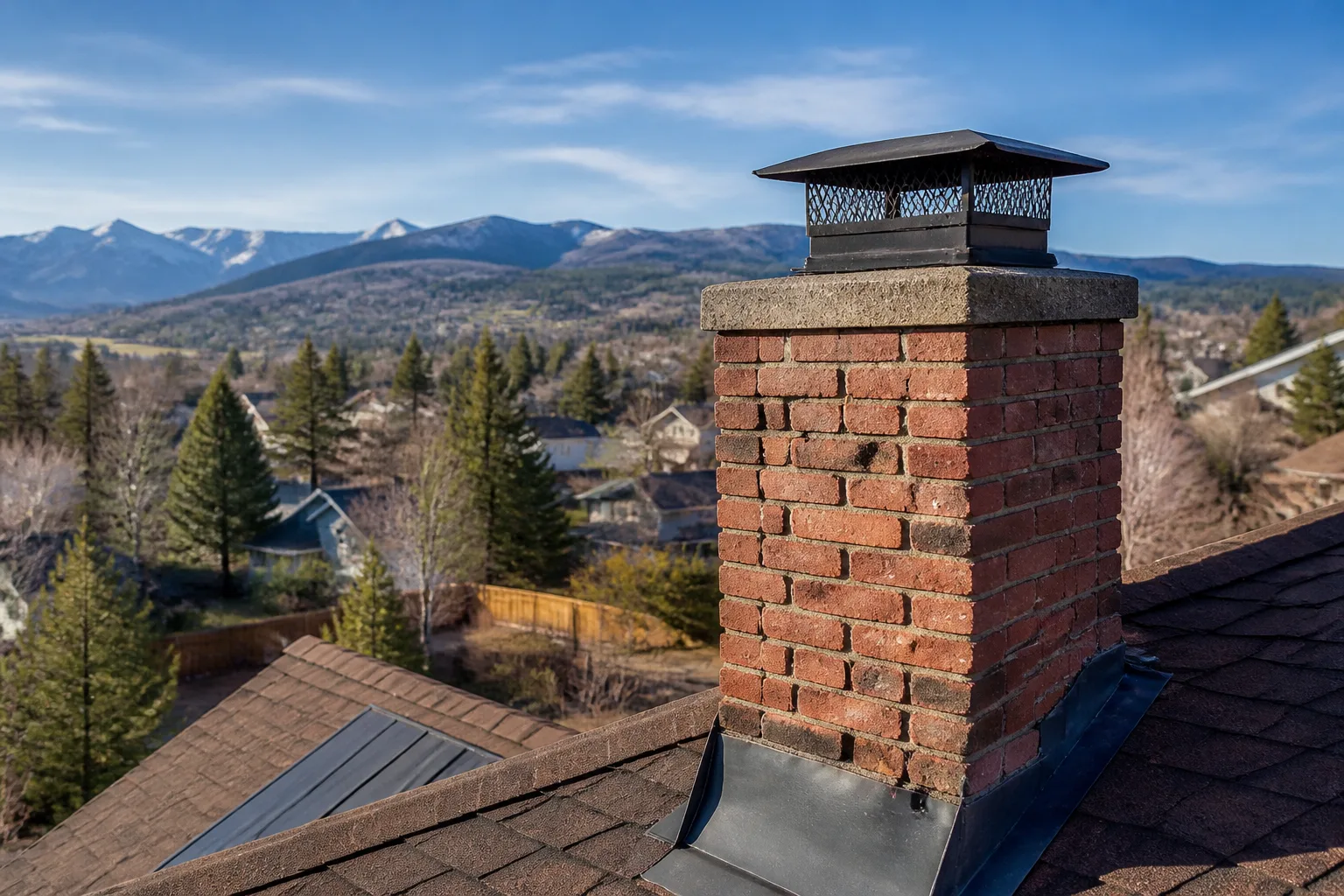
Chimney Sweep: Repair or Replace? How Meadow Hills Homeowners Decide
A new stainless liner dropped into a masonry chimney with a separated crown and failing mortar joints is a code-compliant installation sitting on a failing foundation. The liner warranty will outlast the structure around it. That’s the trap in treating repair-or-replace as a money question. It’s a structural question first. In Meadow Hills, where freeze-thaw cycles work masonry hard through the winter, the structure gets the final vote, and the cost comparison comes after. If you’d rather have a trained eye make that call, call (855) 658-4120.
Why the Repair-or-Replace Question Is Structural, Not Financial
Most homeowners start this decision with a number. What does the repair cost, what does a rebuild cost, which one wins. That order is backwards, and it’s how people end up spending money twice. The right question comes first: can this chimney structurally hold a repair?
A chimney is a load-bearing assembly. The flue tiles, the mortar joints, the crown at the top, the masonry around it, all of it moves together as the house settles and as water freezes and thaws inside the brick. When one part fails, the question isn’t only whether it can be patched. It’s whether the part holding the patch is still sound. A repair installed into a structure that can’t support it fails early, and the money is gone.
So the decision has two gates, and they go in order:
- Structural eligibility. Is the chimney sound enough to accept a repair and keep it working? This is a physical question with a physical answer.
- Cost and lifespan. Only after the first gate opens does it make sense to compare repair cost against replacement cost over the years you expect to stay in the home.
Skip the first gate and you’re comparing prices on two options where only one actually applies. In our experience across Meadow Hills, that’s the single most common way this decision goes wrong.
The Structural Conditions That Rule Out Repair, Whatever the Price
Some conditions make repair the wrong answer no matter how attractive the estimate looks. These aren’t judgment calls about cost. They’re indicators that the structure can’t carry a repair:
- Crown separation. When the crown pulls away from the flue and the masonry below it, water gets straight into the core. A cap and crown repair can address a cracked crown, but a crown that’s separated from a moving chimney is a symptom of movement underneath.
- Offset settlement. Chimneys with an offset (a jog in the flue as it rises) concentrate stress at the transition. If that section has settled or shifted, the flue is no longer straight, and a liner can’t be reliably seated through a path that’s out of line.
- Spalling interior tile below threshold. Some surface spalling on the flue tiles is normal and resurfaceable. When the tile face is breaking away deeply enough that the remaining wall is too thin, resurfacing has nothing solid to bond to, and a new liner sits inside a flue that’s still crumbling around it.
Notice none of these are about how much the repair costs. A repair estimate can be reasonable and still be the wrong move, because the structure underneath it can’t hold. That’s the gut-check to run before you read a single line item.
Which Parts Can Be Replaced Independently, and Which Can’t
This is where the decision gets clearer. Some chimney components are modular, and replacing them does not implicate the full structure. Others are load-bearing or integrated, and their failure tells you something bigger is happening.
Components you can replace on their own:
- The liner. A full reline with a flexible system like DuraFlex is a standalone project when the surrounding flue is sound. HeatShield resurfacing handles liner restoration when the tile is repairable but worn.
- The cap. A missing or damaged cap is a discrete fix, and an important one, since it keeps water and animals out of the flue.
- The crown. A cracked crown can be repaired or recast when the chimney below it is stable.
- The damper. A failed damper is a fireplace-level repair, not a structural one.
Failure that implicates the full structure:
When the masonry itself, the mortar joints through the height of the chimney, or the flue path is compromised, you’re no longer replacing a component. You’re deciding whether the assembly can be saved. A component swap into a failing assembly is the liner-on-a-bad-foundation mistake. It looks like progress and isn’t.
We work with professional-grade materials like Olympia Chimney and Copperfield components precisely because a component replacement is only as good as the structure it lands in. The material standard matters, and so does knowing when not to install it.
How the Age of the Chimney Changes the Math
The same repair-eligible condition means different things at different ages. A 15-year-old flue that’s repair-eligible and a 50-year-old flue that’s repair-eligible are not the same decision, even if the inspection reads identically.
On a younger chimney, a repair buys you a long remaining service life on the structure around it. You fix the flue, and the masonry has decades of life left to justify it. The repair earns its cost over a long runway.
On an older chimney, a repair-eligible flue can still be worth repairing, but the calculus shifts. You have to ask what else in the assembly is near the end of its life. If the mortar and crown are close behind the flue, a repair now may be followed by a structural project soon after. That doesn’t make the repair wrong. It changes whether you want to phase the work or address it in one pass. The honest answer depends on the condition of each part, documented, not guessed. Our technicians have up to 10 years of experience reading these assembly-level decisions, and the age of the structure is one of the first things we weigh.
Reading a Repair Estimate for Root Cause vs. Symptom
An estimate that treats the symptom will cost less up front and more over time. Here’s how to tell which kind you’re holding.
Signs an estimate addresses the root cause:
- It names the actual failure (crown separation, spalling tile, offset settlement) and explains what’s causing it.
- It includes a camera inspection so you can see the flue condition yourself, not just a written conclusion.
- It scopes the whole chimney, not just the part that’s visibly broken.
- It tells you plainly when a component swap isn’t enough because the structure can’t hold it.
Signs it’s treating the symptom, or pushing the pricier option:
- It recommends a liner, cap, or crown without showing you why the rest of the assembly can support it.
- It quotes replacement without documenting why repair is ruled out structurally.
- It skips the camera inspection and relies on a visual look from the firebox.
- It won’t put the condition findings in writing.
A written assessment should document the actual conditions it found: the state of the crown, the flue tiles, the mortar joints, and the flue path. That documentation is what gives you defensible information for the decision. If an estimate can’t tell you what’s structurally wrong and why repair will or won’t hold, it’s selling a line item, not a solution. One inspection tells you exactly what your chimney needs, and what it doesn’t.
When to Call a Pro
Some of this you can eyeball. Most of it you shouldn’t. If you’re seeing crown separation, spalling tile, or signs of settlement in the chimney, get a professional assessment before you spend a dollar on a repair. The structure is the deciding factor, and reading it correctly takes a trained eye and a camera. The same specialist who cleans your chimney is qualified to repair it, which means one visit can answer both the maintenance and the structural question.
Related services in Meadow Hills: a routine chimney sweep, a full inspection, fireplace repair, and chimney cap & crown work.
The Bottom Line
The repair-or-replace decision is structural first, financial second. Run the structural gate before the cost comparison, and the choice usually makes itself. A repair-eligible flue in a sound assembly is worth repairing; a component swap into a failing structure is money spent on a fix that won’t hold. Document the conditions, check the age of the assembly, and read the estimate for root cause.
If you’re in Meadow Hills and need help, Chimney Sweep Meadow Hills offers free estimates. Our technicians have up to 10 years of experience, we cover the full chimney system from the firebox to the cap, and we use professional-grade materials like HeatShield and DuraFlex, not hardware-store alternatives. Call (855) 658-4120. We answer 24/7. Fast dispatch from 7am to 7pm, Sunday through Friday.
Frequently Asked Questions
Repair if the structure around the failed part is sound enough to hold it, replace or rebuild if it isn’t. The deciding factor is structural, not cost. Crown separation, offset settlement, or deeply spalled interior tile rule out repair regardless of price, because the assembly can’t support the fix.
An estimate that treats the symptom names the damaged part without showing you the structure around it can support the repair. A root-cause estimate includes a camera inspection, explains the actual failure, and scopes the whole chimney. Ask to see the flue condition yourself before you approve anything.
Yes, when the surrounding structure is sound. The liner, cap, crown, and damper are each replaceable on their own. When the masonry or flue path is compromised, though, a component replacement sits on a failing foundation, and the full structure is the real decision.
It can. A repair-eligible flue on a younger chimney buys a long remaining service life. On an older chimney, repair may still be right, but you’ll want to check what else in the assembly is near the end of its life. The age of the structure weighs into whether to phase the work or do it in one pass.
Written by the team at Chimney Sweep Meadow Hills.
Need Chimney Cleaning Help?
Call Chimney Sweep Meadow Hills - the local pro we connect you with is licensed and insured, with free written estimates in Meadow Hills.
(855) 658-4120